Articles in this Cluster
11-07-2026
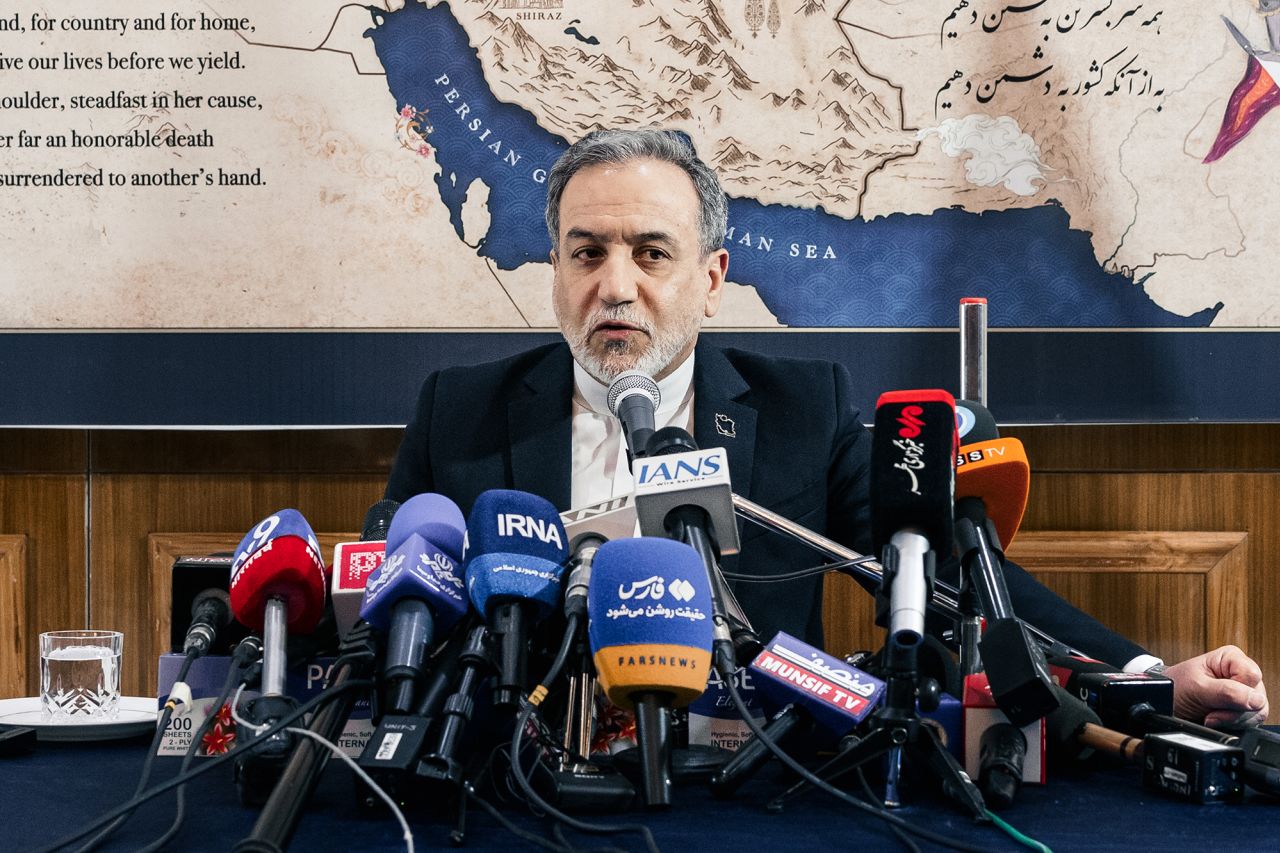
The article reports that the United States is pressuring Iran to publicly commit to keeping the Strait of Hormuz open and to stop firing on commercial shipping, as part of negotiations scheduled in Oman on Saturday. According to US media and officials, Iranian leaders have privately acknowledged that the attacks on ships were a mistake and blamed the incidents on a rogue internal faction, though Tehran has publicly insisted it upheld its side of the ceasefire and accused the US of violating it. The talks are expected to involve high-level figures including Vice-President JD Vance, Secretary of State Marco Rubio, special envoy Steve Witkoff, and Jared Kushner, while Iranian Foreign Minister Abbas Araqchi is also expected to attend.
The piece places the shipping dispute within a wider escalation between the US and Iran, including earlier strikes in the Gulf region, Trump’s warnings of severe retaliation, and reports that Israel shared intelligence about an alleged Iranian assassination plot against Trump. It also notes parallel diplomatic efforts by Qatar to ease tensions and ensure safer navigation in the waterway. Beyond the immediate crisis, the article explains that control of the Strait of Hormuz remains a major strategic issue because of its importance to oil, gas, and cargo shipping, and because the two sides have been negotiating over maritime administration, safe passage, and possible new fees or authority structures for the route.
Entities: United States, Iran, Strait of Hormuz, Oman, Donald Trump • Tone: analytical • Sentiment: neutral • Intent: inform
11-07-2026
The article reports that Iranian officials privately told Trump administration advisers they believe they made a mistake by attacking commercial ships in the Strait of Hormuz and want to continue negotiations with the United States. According to senior U.S. officials, Tehran portrayed the attacks as the work of an “errant” hardline faction within its system that is trying to sabotage talks. The White House, however, wants Iran to publicly admit fault and sees the ship attacks as a violation of the ceasefire or understanding underpinning the negotiations.
President Trump has instructed a negotiating team led by Vice President JD Vance, Jared Kushner, Steve Witkoff, and Secretary of State Marco Rubio to keep talks moving, with a new round scheduled in Oman on Saturday. U.S. officials said Washington is prepared to use military and economic pressure if Iran continues hostile actions. The administration expects Iran to commit to keeping the Strait of Hormuz open to traffic as it was before the conflict, and officials warned that if Tehran does not accept that, progress will be difficult.
The article also notes that the broader negotiations could eventually address Iran’s nuclear program, described by one official as “nuclear dust,” but only if Iran first proves it can honor what the U.S. views as the easiest part of a deal: keeping the strait open. The officials declined to discuss reports related to alleged Israeli intelligence about plots against Trump, saying the president does not base decisions on fear or threats.
Entities: Iran, Donald Trump, JD Vance, Jared Kushner, Steve Witkoff • Tone: analytical • Sentiment: negative • Intent: inform
11-07-2026
The article covers escalating tensions between the United States and Iran, centered on disputes over the Strait of Hormuz, recent military strikes, and renewed diplomatic efforts. Iran’s Foreign Minister Abbas Araghchi is expected to travel to Oman to discuss the strait and broader regional developments, as traffic through the waterway has slowed amid concerns about security. Senior U.S. officials say Washington expects Iran to publicly affirm that the Strait of Hormuz remains open to commercial shipping, and they indicate that nuclear talks cannot proceed without assurances of safe passage. The article also reports that the Trump administration has imposed fresh sanctions on Tehran following Iranian attacks on commercial vessels.
The piece highlights a sharp exchange of threats between President Donald Trump and Iran. Trump has warned that the U.S. could “completely decimate and destroy all areas” of Iran if Iranian leaders attempt to assassinate him, citing Israeli intelligence that had shared threats from Iranian hardliners. At the same time, U.S. intelligence assessments reportedly do not show a specific new plot against Trump, but rather a broader pattern of hostile chatter from Iranian actors. On the Iranian side, Araghchi accused the U.S. of violating the memorandum of understanding on Iran’s nuclear program, while chief negotiator Mohammad Bagher Ghalibaf said Tehran distrusts the Americans and is ready for an “all-out defense” if the agreement is broken.
The article also situates the dispute in a broader regional diplomatic context, noting U.S. outreach with Saudi Arabia as regional actors try to prevent further escalation. It presents the Strait of Hormuz as the central stumbling block to de-escalation and potential negotiations over Iran’s nuclear program.
Entities: Donald Trump, Abbas Araghchi, Mohammad Bagher Ghalibaf, Oman, Strait of Hormuz • Tone: urgent • Sentiment: negative • Intent: inform
11-07-2026
The article/video report places CNN aboard the USS Abraham Lincoln in the Arabian Sea near the Strait of Hormuz, highlighting how U.S. fighter jets are conducting defensive missions as tensions with Iran escalate. The report frames the carrier as a front-line platform in a rapidly deteriorating standoff, with American forces watching for threats and preparing for possible next steps as Washington weighs its response to Iran. The Strait of Hormuz, a critical global shipping chokepoint, is presented as the immediate geographic and strategic focus of the confrontation.
The broader context in the clip is a collapsing interim understanding between the U.S. and Iran following an exchange of strikes. CNN’s Pamela Brown reports from the carrier and notes the operational environment inside the ship’s hangar, where the F-18s used in the conflict are shown and described. The video package also references Iranian reactions, additional strikes in the region, and President Donald Trump’s statements that the ceasefire or memorandum with Tehran is effectively over. Overall, the piece conveys a fast-moving military and diplomatic crisis, centering on U.S. force posture, Iranian retaliation, and the possibility of further strikes as negotiations appear increasingly futile.
Entities: USS Abraham Lincoln, Strait of Hormuz, Arabian Sea, Iran, United States • Tone: urgent • Sentiment: negative • Intent: inform
11-07-2026
This CNN video article reports on CNN correspondent Pamela Brown’s visit aboard the USS Frank E. Petersen, described as the closest Navy ship to Iran, amid renewed tensions in the region. The piece is framed as a brief on-the-ground video report rather than a written investigative article, with the headline and description emphasizing the ship’s strategic proximity to Iran and the broader escalation between the United States and Iran. The article situates the ship in the context of rising regional instability and ongoing U.S.-Iran military friction. Although the main item is the USS Frank E. Petersen, much of the page is occupied by a video carousel of related CNN clips about the wider conflict, including U.S. strikes, Iranian responses, and commentary from officials and President Donald Trump. These related videos reinforce the larger news context: a volatile confrontation marked by airstrikes, threatened retaliation, shifting ceasefire prospects, and concern over maritime security in the Persian Gulf/Arabian Sea region. Overall, the article functions as a snapshot of CNN’s coverage of the escalating tensions, using the naval ship visit as the focal point for a broader geopolitical story.
Entities: USS Frank E. Petersen, Pamela Brown, CNN, Iran, Donald Trump • Tone: analytical • Sentiment: neutral • Intent: inform
11-07-2026
This CNN video article centers on reporting by Frederik Pleitgen about Iran’s reaction to renewed U.S. strikes and the broader escalation between the United States and Iran. The key point highlighted in the clip is that Iranian authorities are attempting to establish a “red line” in how far the conflict can go, signaling limits to their response and a desire to shape the terms of engagement. The article is framed around fast-moving developments in the region, including U.S. airstrikes, Iranian retaliation, and the collapse of an interim understanding between the two sides.
The content also situates Pleitgen’s report within CNN’s broader coverage of the confrontation. It references reporting from Tehran, where Iranians are angry at President Trump’s harsh rhetoric, and notes that Trump said he believed the memorandum of understanding was “over.” Additional clip listings describe fresh explosions in Iran’s port city of Chabahar, U.S. next steps being weighed aboard the USS Abraham Lincoln, and Trump warning that the U.S. may strike Iran again. Overall, the article presents a snapshot of a rapidly deteriorating U.S.-Iran standoff, emphasizing escalation, uncertainty, and the possibility of further military action.
Entities: Frederik Pleitgen, Becky Anderson, Robbie Hawken, CNN, Iran • Tone: urgent • Sentiment: negative • Intent: inform
11-07-2026
CNN’s article describes a week of intense mourning, anger, and political defiance in Tehran as Iran buried its longest-serving supreme leader, Ayatollah Ali Khamenei. The report portrays a country gripped by highly emotional funeral ceremonies, with massive crowds of loyalists filling the streets and chanting for revenge, especially against the United States and President Donald Trump. At the same time, the piece emphasizes that the public mood is not entirely unified: while many mourners expressed devotion and demanded retaliation, some Iranians voiced criticism of their own government’s handling of conflict and negotiations.
The article situates the funerals amid a volatile geopolitical backdrop. It notes that, during the funeral period, US bombs and missiles struck Iran in response to Iranian attacks on civilian shipping in the Strait of Hormuz, which heightened tensions but also seemed to produce a sense of grim resignation among some residents. CNN’s reporters describe the funeral procession as both a show of state power and a deeply personal moment for many participants, while also casting doubt on the feasibility of outside calls for regime change given the visible support for the government and its symbolic leadership.
Beyond the emotional and political spectacle, the article underscores Iran’s broader structural problems: severe sanctions, high unemployment, inflation, economic decline, and the damaging effect of prolonged internet shutdowns. It argues that distrust of the US remains profound because negotiations have repeatedly been disrupted by military escalation and because many Iranians remember the US withdrawal from the JCPOA nuclear deal. The article closes by highlighting how Iran and the Trump administration interpret a maritime agreement very differently, suggesting that diplomacy remains fragile and contested.
Entities: Tehran, Iran, Ali Khamenei, Donald Trump, United States • Tone: analytical • Sentiment: negative • Intent: analyze
11-07-2026
The article reports a rapid escalation in tensions between the United States and Iran after U.S. Central Command announced additional strikes on Iranian military targets tied to attacks on commercial shipping in the Strait of Hormuz. In response, Iranian officials used forceful rhetoric on social media, with Parliament spokesperson Ebrahim Rezaei warning of a “hard slap” and Parliament Speaker Mohammad Bagher Ghalibaf threatening that “if you strike, you’ll get hit.” The article frames these statements as reactions to the latest U.S. attacks, which CENTCOM said were intended to degrade Iran’s ability to threaten freedom of navigation and civilian mariners.
CENTCOM said the new round of strikes hit about 90 Iranian military targets, including air defense systems, coastal surveillance assets, missile and drone storage sites, naval capabilities, and military logistics infrastructure along Iran’s coastline. It also said the previous night’s strikes hit about 80 targets, including more than 60 IRGC small boats, after Iran allegedly violated a ceasefire by attacking commercial vessels. President Donald Trump was quoted as saying the U.S.-Iran ceasefire was “over.”
The story also notes that regional spillover has reached Kuwait and Bahrain, both of which reported and intercepted aerial attacks. Kuwait said it intercepted ballistic missiles, a cruise missile, and hostile drones, while Bahrain said its air defenses destroyed several Iranian aerial attacks. Overall, the piece emphasizes the intensifying U.S.-Iran confrontation, the strategic importance of the Strait of Hormuz, and the growing regional security threat.
Entities: Iran, United States, U.S. Central Command (CENTCOM), Strait of Hormuz, Ebrahim Rezaei • Tone: urgent • Sentiment: negative • Intent: inform
11-07-2026
The article reports that Israeli leaders are publicly warning they are ready to strike Iran for a third time, even as the Trump administration seeks to manage the extent of U.S. involvement. Israeli Defense Minister Israel Katz said the IDF is on high alert and prepared to resume operations, including an independent strike aimed at eliminating threats. Prime Minister Benjamin Netanyahu likewise insisted that Israel’s campaign against Iran is not finished and reiterated that Iran will not be allowed to obtain a nuclear weapon. At the same time, U.S. and Israeli officials appear to be coordinating closely, though there is disagreement over whether Washington wants Israel directly involved in the latest strikes.
The piece places these warnings in the context of earlier joint military actions, noting that Israel launched a major campaign against Iran in June 2025 and that the U.S. later struck nuclear sites including Fordow, Natanz, and Isfahan. It also references a newer coordinated campaign launched on Feb. 28. However, analysts quoted in the story suggest Israel may be signaling more than it truly wants to do, arguing that renewed fighting would invite Iranian ballistic missile retaliation and carry domestic political costs for Netanyahu, especially with elections approaching.
The article also touches on the broader diplomatic backdrop, including Trump’s declaration that the ceasefire with Iran is over and continued U.S.-Iran talks. The overall picture is one of a fragile and escalating standoff, with public messaging, military readiness, and political calculations all shaping whether another strike actually occurs.
Entities: Israel, Iran, United States, Benjamin Netanyahu, Israel Katz • Tone: urgent • Sentiment: negative • Intent: inform
11-07-2026
President Donald Trump warned Iran that the United States military would respond with overwhelming force if Iranian leaders attempted to assassinate him. In a Truth Social post, he said the US would “completely decimate and destroy all areas” of Iran if such a threat were carried out, and described the military as ready and able to act. His warning came amid deteriorating US-Iran tensions, following a week of clashes that appeared to undermine a tentative agreement between the two countries and after the funeral period for Iran’s former supreme leader, Ali Khamenei, who was killed in an earlier attack. The article notes that Trump has previously faced assassination threats and that his campaign said he had been briefed on “real and specific threats from Iran” during the 2024 election. It also mentions a reported Israeli warning to Trump about a fresh Iranian plot. The piece frames Trump’s remarks as a sharp escalation in rhetoric amid an already volatile situation involving the US, Iran, and Israel.
Entities: Donald Trump, Iran, United States, US military, Truth Social • Tone: urgent • Sentiment: negative • Intent: inform
11-07-2026
Gasoline prices in the United States are rising again as tensions between the U.S. and Iran intensify, reversing some of the recent relief drivers had seen at the pump. According to AAA, the national average for regular gasoline increased to $3.88 per gallon on Friday, up from $3.84 a week earlier. Prices had previously fallen to about $3.80 on July 5 after reaching more than $4.50 in May, following a temporary ceasefire between Washington and Tehran. The article says the renewed conflict is raising fears that any prolonged disruption could threaten shipping through the Strait of Hormuz, a critical global energy chokepoint carrying roughly 20% of worldwide energy flows. President Trump said the ceasefire was “over” while also indicating that negotiations would continue. The piece also cites a drop in ship traffic through the strait and notes that Iran-linked and sanctioned traffic still represented a substantial share of crossings.
Beyond the U.S.-Iran conflict, the article explains that oil prices are the biggest driver of gas prices, accounting for 51% of the cost of a gallon, while refining, marketing, distribution, and taxes make up the rest. It also points to other supply pressures, including Ukrainian attacks on Russian oil infrastructure and Russia’s export restrictions on diesel, gasoline, and jet fuel. According to GasBuddy analyst Patrick De Haan, these events have tightened the global market further. Seasonal summer driving demand and the higher cost of producing summer-blend gasoline are also contributing to upward price pressure. Overall, the article frames gas prices as vulnerable to geopolitical shocks and seasonal market dynamics.
Entities: AAA, GasBuddy, Patrick De Haan, Energy Information Administration, S&P Global MINT • Tone: analytical • Sentiment: negative • Intent: inform
11-07-2026
CNN reports from aboard the USS Abraham Lincoln as U.S. fighter jets launch on a routine nighttime mission over the Strait of Hormuz. The article frames the flight as part of the carrier’s normal operations, while emphasizing the heightened sense of readiness among pilots amid potential regional strikes. CNN’s Pamela Brown is on the ship, where the crew is described as preparing for anything and experiencing their busiest day yet. The piece highlights the operational tempo of the carrier strike group and the strategic significance of the Strait of Hormuz, a vital maritime chokepoint in a tense part of the world. Although the mission itself is described as routine, the reporting underscores an atmosphere of anticipation and preparedness rather than calm normalcy. The article is presented as a short video report, with CNN exclusive footage of the jets taking off and commentary from Brown providing context about the situation onboard.
Entities: USS Abraham Lincoln, fighter jets, Pamela Brown, Clemente Duran-Ballen, CNN • Tone: analytical • Sentiment: neutral • Intent: inform