23-10-2026
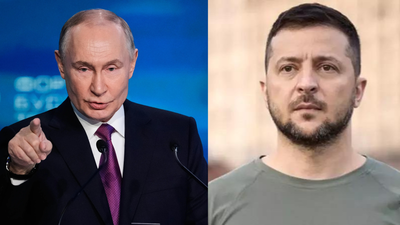
Russia, Ukraine and the United States are expected to resume trilateral peace talks in Abu Dhabi during the first half of November, according to Kremlin spokesman Dmitry Peskov. The talks have been stalled since the beginning of the year. Russia signaled its willingness to restart them after a meeting in Saint Petersburg between Russian President Vladimir Putin and US special envoy Steve Witkoff. The announcement follows a week of diplomatic activity: Witkoff met Ukrainian President Volodymyr Zelensky and European leaders in Oslo on Tuesday, then met Putin the following day. After those meetings, both Kyiv and Moscow said they were ready to resume direct talks mediated by Washington. Russia has suggested that discussions could take place around November 10, while Zelensky has urged that they happen as soon as possible. The talks come as the war, which began with Russia’s full-scale offensive in February 2022, enters its fifth year. Putin said in a televised interview that trilateral discussions would address security arrangements for a final peace deal, rather than a short-term truce. The article reports plans and stated positions but does not describe any agreement or confirm that the talks have taken place.
Entities: Russia, Ukraine, United States, United Arab Emirates, Abu Dhabi • Tone: analytical • Sentiment: neutral • Intent: inform
23-10-2026
The White House says First Lady Melania Trump helped secure a localized ceasefire between Russia and Ukraine in Oleshky, a southern Ukrainian city occupied by Russia since the first day of its February 2022 invasion. Neither Russia nor Ukraine had immediately confirmed the announcement when it was reported on October 23, 2026. The claim comes amid renewed US diplomacy intended to end the war, with the Trump administration also facing criticism over pressure on Ukraine and concessions to Russia.
In a statement released by the White House, Melania Trump described conditions in Oleshky as dire. She said residents faced limited electricity, mined roads and regular attacks, and argued that her intervention made humanitarian deliveries and evacuation of elderly people possible. She said her representatives had worked with Russian and Ukrainian leaders to establish the ceasefire’s terms, and that civilian officials from both countries would coordinate humanitarian access. Of an estimated 2,000 people remaining in the city, those wishing to leave would be taken to their preferred destination, whether in Russia or Ukraine. She also said an unnamed American media organization would accompany teams on the ground to help ensure families’ wishes were respected.
Oleshky had a prewar population of about 24,000. Most residents have since fled; those remaining have faced severe shortages of food and medical supplies, with both sides accusing the other of restricting deliveries. The article notes that Melania Trump previously worked to reunify children taken by Russia during the war.
The announcement follows the Kremlin’s statement that it had agreed to resume US-mediated talks with Ukraine as early as the following month, although the sides remain far apart on a possible settlement. The article also describes the administration’s recent concessions to Russia, including diesel purchases and some sanctions waivers, which it says are intended to lower fuel costs amid the US-Israel war with Iran. Separately, Ukraine reported disruptions to its Starshield military satellite service, which it relies on for air defense. Ukrainian Prime Minister Volodymyr Zelenskyy later said an agreement had been reached to resolve the issue. Starshield is a SpaceX-operated version of Starlink.
Entities: Melania Trump, Donald Trump, Oleshky, Russia, Ukraine • Tone: neutral • Sentiment: negative • Intent: inform
23-10-2026
The article reports that Ukraine says it has recaptured more territory since autumn began than Russia has seized this year, despite limitations on US-provided systems and support. Ukrainian President Volodymyr Zelenskyy’s claim is partly supported by the Institute for the Study of War, which estimates Ukraine has made a net territorial gain of 241 square kilometres since September 1. Ukraine attributes many gains to Operation Vivaldi, which disrupted a Russian effort to encircle Ukrainian-held parts of Donetsk. Ukrainian commanders say they shortened and stabilized their front, while Russian forces may have to attempt a costly frontal assault on fortified cities.
The article says Russian casualties have risen, according to Ukrainian estimates, while Russia has intensified attacks on civilian areas and infrastructure. Kyiv reported that Russian missiles carrying cluster warheads struck the capital, including near a religious complex, although Russia said it targeted Ukrainian weapons-production facilities. Zelenskyy also said Russia had carried out more than 170 attacks on Ukrainian energy infrastructure since a US-declared energy ceasefire began on October 11. Ukrainian officials say the strikes aim to exhaust the population by disrupting electricity, heating and water.
Ukraine’s defence has also been affected by changes in US support: temporary loss of ballistic-missile early warning, a halt in Patriot interceptor deliveries, a waiver of Russian oil sanctions, and suspension of Starshield navigation services for Ukrainian drones. Trump said satellite services were about to be restored. Ukraine, meanwhile, resumed attacks on Russian energy and other infrastructure, including an oil terminal in St Petersburg. The article describes US diplomatic efforts involving envoy Steve Witkoff, Zelenskyy and Putin, but the supplied text ends before explaining the outcome of those discussions.
Entities: Ukraine, Russia, Volodymyr Zelenskyy, Donald Trump, Institute for the Study of War • Tone: analytical • Sentiment: negative • Intent: inform
23-10-2026
The Kremlin says Russia, Ukraine and the United States plan to hold trilateral negotiations in Abu Dhabi during the first half of November. Kremlin spokesperson Dmitry Peskov announced the plan on Friday, describing the talks as intended to address the war between Russia and Ukraine. The meeting would follow earlier US-brokered discussions that made little progress and later stalled while the Trump administration focused on its war on Iran. Russia signalled renewed interest after US Special Envoy Steve Witkoff met President Vladimir Putin in St Petersburg. Ukraine had also expressed hope for talks soon, following President Volodymyr Zelenskyy’s meeting with Witkoff.
The article cautions that prospects for significant progress remain limited. Previous negotiations have been obstructed by Russia’s hardline demands, including that Ukraine cede substantial territory and agree not to join NATO. Putin has said talks should address long-term security arrangements for a final peace settlement rather than a short-term truce.
The planned negotiations come amid strained relations between Kyiv and some members of the US government, alongside signs of improving relations between US President Donald Trump and Putin. Trump has criticised Ukrainian attacks on Russian energy infrastructure. The article also reports that his administration eased sanctions on Moscow and agreed to buy 300,000 tonnes of Russian diesel, with the first shipment reportedly bound for New York. European leaders warned that the deal could make peace harder to achieve by giving Russia “hope.” Ukraine has also reported difficulties accessing Starlink satellite technology and crucial intelligence.
Separately, Russia’s Defence Ministry announced that Russia and Ukraine had exchanged 270 prisoners of war each. The released Russian servicemen were in Belarus for medical and psychological assistance before returning to Russia. The article notes that prisoner exchanges have been one of the few channels of contact maintained during the war, with thousands of people exchanged since Russia’s full-scale invasion in February 2022.
Entities: Russia-Ukraine war, Trilateral peace talks, United Arab Emirates, Abu Dhabi, Kremlin • Tone: analytical • Sentiment: neutral • Intent: inform
23-10-2026
US President Donald Trump said Elon Musk had restored Ukraine’s access to Starlink, the satellite internet service relied on by Ukrainian forces for communications and air defence. Trump’s comments followed a Wall Street Journal report that he had called Musk and asked him to end restrictions on Ukraine’s connection. While Trump would not confirm whether he made the call, he said the service had been put back. Ukrainian officials had reported on October 13 that sudden restrictions left the military scrambling, and connectivity was said to remain unreliable even after service returned.
Responsibility for the restrictions remains disputed. Trump denied ordering them and said he did not believe Musk was responsible. Secretary of State Marco Rubio said access and speed were governed by a private commercial contract and decisions by Musk. Musk, however, has argued that Starshield—the military-grade version of Starlink—is owned and controlled by the US government, and that the US military and president ultimately decide its limits.
The restrictions have prompted concern that the Trump administration or its allies could use control of communications technology to pressure Ukraine. The article places the dispute within Trump’s tense relationship with Ukrainian President Volodymyr Zelenskyy and his comparatively favourable comments about Russian President Vladimir Putin. Trump has blamed Ukraine’s NATO ambitions for helping cause the war and accused Zelenskyy of preventing its end. Meanwhile, critics from both parties have faulted Trump for easing pressure on Russia, including measures affecting Russian energy. The report also links his policy challenges to high fuel prices following US involvement in a war with Iran, and notes his openness to a possible meeting with Putin and Chinese President Xi Jinping.
Entities: Donald Trump, Elon Musk, Volodymyr Zelenskyy, Vladimir Putin, Marco Rubio • Tone: analytical • Sentiment: neutral • Intent: inform
23-10-2026
Ukraine continues to report problems with Starlink connectivity despite US President Donald Trump’s statement that Elon Musk had restored the service’s speeds. Sources within Ukraine’s defence ministry told the BBC that military operators were still observing connection losses, including drones losing contact when travelling at about 161km/h (100mph). The ministry said it was monitoring both Starlink and Starshield but had no confirmation that restrictions had been lifted. Trump had previously denied directing Musk to limit the service, while Musk said he was not responsible for the slowdown and suggested the US military might control Starshield. The White House has denied deliberately restricting Ukraine’s access.
The article explains the networks’ military importance. Ukraine uses civilian Starlink and the more secure Starshield for communications, drone operations and battlefield coordination. Ukrainian soldiers say there is no adequate alternative, describing the system’s speed as a significant advantage, while warning that a complete shutdown would be catastrophic. Some units have returned to older communications procedures during outages.
The connectivity dispute has unfolded amid strained relations between Trump and Ukrainian President Volodymyr Zelensky over Ukrainian attacks on Russian oil infrastructure. Trump criticized the strikes for raising global fuel prices; the article notes that this year’s price increases have primarily been driven by the Iran war. Zelensky said the US had threatened to stop sharing intelligence if the attacks continued, which Trump denied. The dispute has included personal exchanges between the leaders and US policy moves toward Russia that Ukraine and European allies criticized. Zelensky said the system’s speed was not fully restored and was awaiting information from Secretary of State Marco Rubio. The Wall Street Journal reported that Trump had spoken to Musk about the capped speeds and that service subsequently moved closer to normal.
Entities: Ukraine, Donald Trump, Elon Musk, Volodymyr Zelensky, Starlink • Tone: analytical • Sentiment: negative • Intent: inform
23-10-2026
The CBC Radio program Front Burner examines the consequences of SpaceX’s Starlink service—and its military-grade version, Starshield—in Ukraine’s war with Russia. The article describes a sequence of events that heightened tensions between Kyiv and Washington: U.S. President Donald Trump announced a deal with Russian President Vladimir Putin to supply millions of tonnes of Russian diesel, prompting Ukrainian President Volodymyr Zelenskyy to say he felt betrayed. Trump then said Ukraine should get a new president. Soon afterward, Ukraine reported that its Starshield access had been throttled. According to the article, Ukrainian drones slowed nearly to a halt, reducing the country’s ability to intercept Russian attacks as Russia struck energy facilities and civilian areas.
Responsibility for the throttling was disputed. Ukraine blamed the White House, which denied involvement. The Wall Street Journal reported that SpaceX CEO Elon Musk had ordered the action; Musk also denied it. The article does not establish who was responsible, but presents the episode as raising questions about the influence a private technology executive can wield when a company’s communications infrastructure is used in military operations.
To explore those questions, Front Burner speaks with Sharon Weinberger, a longtime national security reporter and author of Valley of Death: How Big Tech Is Fueling the Future of War. The discussion is framed around the Starlink dispute and the broader, expanding role of Silicon Valley in global conflict. Rather than resolving the competing claims, the article introduces a conversation about the risks and implications of relying on commercial technology and powerful private companies in modern warfare.
Entities: Elon Musk, Donald Trump, Vladimir Putin, Volodymyr Zelenskyy, Sharon Weinberger • Tone: analytical • Sentiment: negative • Intent: analyze
23-10-2026
The article examines Ukraine’s dependence on SpaceX’s Starlink and Starshield satellite networks in its war against Russia, particularly for drone operations, battlefield communications, and protection from Russian attacks. Ukraine began reporting difficulties on Oct. 13, when Starshield connections to fast-moving drones were restricted. Ukrainian officials and soldiers said dishes on drones traveling above certain speeds were shut off, causing aircraft to lose their connection and fall. President Volodymyr Zelenskyy said the limits had also prevented Ukraine from using the system to intercept Russian Shahed drones.
Starlink is SpaceX’s commercial satellite internet service; Starshield is a military-grade service licensed to the U.S. government and its partners. The networks share a satellite constellation, but Starshield offers stronger security features and fewer technical limits. The article says there is no comparable alternative to Starlink’s coverage, and that disruptions affect not only drones but also the network linking battlefield sensors, weapons, military units, and civilians. Ukraine’s mid-range strike drones depend on Starshield operating at speeds that exceed Starlink’s ordinary 70 km/h cap.
Responsibility for the restrictions remains contested. Zelenskyy believes Elon Musk acted at the request of U.S. officials, while Musk has denied controlling the military network and said the U.S. government decides access. President Donald Trump and Defense Secretary Pete Hegseth also denied ordering a deliberate disruption. CBS News, citing sources, reported that Musk was behind the decision after speaking with administration officials. Reports about whether service was restored have conflicted: some units reportedly regained higher-speed access, while others continued to experience interruptions. The article also describes the networks’ history in Ukraine, including U.S. contracts for Starlink and Starshield, and notes that SpaceX cut off Russian access in February. The supplied article ends mid-sentence while discussing Musk’s authority to restrict service.
Entities: Elon Musk, Volodymyr Zelenskyy, Donald Trump, Pete Hegseth, Marco Rubio • Tone: analytical • Sentiment: negative • Intent: analyze
23-10-2026
Melania Trump’s office announced that she had helped secure a temporary, localized ceasefire between Russia and Ukraine in the Russian-occupied Ukrainian city of Oleshky, saying it would allow humanitarian aid to enter and civilians to be evacuated. The office said the pause in military action would begin Thursday, October 29, and that the agreement was reached after Melania Trump worked directly with Russian and Ukrainian leadership. Neither government had publicly commented on the announcement at the time of the report.
Melania Trump described conditions in Oleshky as dire, citing a population made up largely of elderly residents in urgent need of medical care, medicine, food, and clean water. She said residents face limited electricity, mined roads, and regular military attacks. The office described her role as “Exclusive Intermediary” and said she helped align the parties on the agreement’s objectives, procedures, timing, and terms. Civilian representatives from both countries are expected to visit residents to assess their needs. Those who choose to leave are to receive coordinated assistance and transportation to a destination of their choice, whether in Russia or Ukraine. Melania Trump also said she had secured an American media organization to document the work of both teams.
The article notes that Melania Trump has previously worked to reunite 34 children with their families after Russia forcibly removed them. It places the announcement against the backdrop of President Donald Trump’s unfulfilled promise to end the war on his first day back in office, his recent criticism of Ukrainian President Volodymyr Zelenskyy, and his remarks that Russia had “been fine on Ukraine.” It also mentions backlash against U.S. special envoy Steve Witkoff for describing Russian President Vladimir Putin as a “humanitarian.”
Entities: Melania Trump, Donald Trump, Volodymyr Zelenskyy, Vladimir Putin, Steve Witkoff • Tone: neutral • Sentiment: negative • Intent: inform
23-10-2026
Russia and Ukraine exchanged intense strikes on civilian and energy infrastructure overnight, even as recent U.S.-mediated discussions raised hopes of renewed peace negotiations. Ukraine’s Energy Ministry said Russian attacks hit energy facilities in six regions—Zhytomyr, Volyn, Mykolaiv, Poltava, Khmelnytskyi and Rivne—leaving more than 500,000 people without electricity. Emergency restoration work began where security conditions allowed. DTEK, one of Ukraine’s largest private energy companies, reported that shelling had forced an unspecified thermal power plant to stop generating electricity. The company also said its thermal plants have been attacked more than 230 times since Russia’s full-scale invasion began in 2022.
Russia’s Defense Ministry, meanwhile, said its air defenses intercepted and destroyed 443 Ukrainian drones overnight. The strikes came less than a day after U.S. special envoy Steve Witkoff met Russian President Vladimir Putin in St. Petersburg to discuss ending the war. Putin said Moscow was prepared to resume U.S.-mediated talks with Kyiv in November, with the stated aim of securing both countries after a final peace agreement rather than relying on a temporary ceasefire.
A so-called energy ceasefire announced by U.S. President Donald Trump on October 11 has not produced a meaningful result. Ukrainian President Volodymyr Zelenskyy said Ukraine had refrained from attacking Russian energy targets for three days earlier in the week, but resumed strikes because Russia continued attacking Ukrainian infrastructure. Speaking to CNN, Zelenskyy said he was ready for a ceasefire, provided Ukraine received strong security guarantees. The article presents the diplomatic efforts alongside continued attacks, underscoring the gap between public expressions of readiness to negotiate and ongoing military action.
Entities: Russia, Ukraine, Vladimir Putin, Volodymyr Zelenskyy, Steve Witkoff • Tone: analytical • Sentiment: negative • Intent: inform
23-10-2026
US President Donald Trump said Elon Musk had restored Ukraine’s access to the Starshield satellite communications system, but Ukrainian and European sources disputed that claim. Trump, speaking to journalists on Thursday, declined to say whether he had personally called Musk about the service, saying that what mattered was that Musk had “put it back.” The Wall Street Journal had reported that Trump asked Musk to restore the service after Ukrainian forces experienced restrictions. However, a senior European official told the Associated Press that strict speed caps remained in place late Thursday. A source in Ukraine’s Ministry of Defense said on Friday that signal losses were still occurring and that Kyiv had no confirmation the restrictions had been lifted.
Starshield is the military-grade version of SpaceX’s satellite-based Starlink network. The Journal reported earlier in the week that Musk capped connection speeds for Ukrainian equipment, a move that reportedly left some offensive and interceptor drones virtually unusable. Accounts of who made the decision differ. Musk said any limits on Starshield’s speed or use were decided by the US military and ultimately the president. Trump and then-Defense Secretary Pete Hegseth said the Pentagon had not ordered changes. Ukraine, according to a senior European official, had not received a clear official explanation of who imposed the restrictions or why. Democratic Senator Richard Blumenthal said he had opened an inquiry.
The disagreement unfolds amid worsening tensions between Washington and Kyiv. Trump had called for Ukrainian President Volodymyr Zelenskyy to be replaced after Zelenskyy criticized a US deal that would allow more Russian diesel into global markets. Kyiv has also expressed concern about US intelligence-sharing and speculation that the White House may have ordered the Starshield restrictions. The article emphasizes that the status of the service and responsibility for the restrictions remained unsettled at the time of reporting.
Entities: Donald Trump, Elon Musk, Volodymyr Zelenskyy, Pete Hegseth, Richard Blumenthal • Tone: analytical • Sentiment: neutral • Intent: inform
23-10-2026
The article describes growing alarm in Ukraine and Europe over President Donald Trump’s increasingly accommodating stance toward Vladimir Putin and Russia. It says Trump has pursued closer dealings with Moscow, including a diesel agreement and possible sanctions relief, while criticizing Ukrainian President Volodymyr Zelenskyy. European officials fear that Trump’s drive for a high-profile peace deal could pressure Kyiv into accepting terms that amount to capitulation. The Kremlin, meanwhile, has reportedly floated joint ventures and a trilateral summit involving Trump and China’s Xi Jinping, which could bolster Putin’s international standing.
European concerns are compounded by reported restrictions on Starlink, delays to US weapons deliveries and interruptions to intelligence-sharing. Ukraine depends heavily on US support, including Patriot interceptors and early warning of missile attacks. Kyiv has accused Washington of using these vulnerabilities to influence its negotiating position; the White House denies restricting support for political reasons. The article notes that an early-warning system was restored, but describes the risks of any interruption as potentially fatal.
The account also traces the dispute to a US-backed 28-point peace proposal from November 2025, reportedly drafted in Moscow, that called for Ukraine to surrender territory, limit its military and renounce NATO membership. European governments opposed the proposal, warning that it could leave Ukraine exposed to future Russian aggression. Trump has also pressed Kyiv to stop strikes on Russian oil refineries. Zelenskyy offered a 30-day pause in exchange for additional Patriot interceptors, but none were delivered, according to the article.
Some European officials believe political pressure surrounding US midterm elections may help explain Trump’s statements and urge allies to hold their nerve. Others doubt that the elections will change his foreign policy. Across Europe, the article says, the perceived risk of Washington abandoning or pressuring Ukraine has strengthened calls to continue supporting Kyiv.
Entities: Donald Trump, Vladimir Putin, Volodymyr Zelenskyy, Kaja Kallas, Steve Witkoff • Tone: analytical • Sentiment: negative • Intent: inform
23-10-2026
The White House says US First Lady Melania Trump helped negotiate a temporary ceasefire between Russia and Ukraine in the Russian-occupied city of Oleshky, intended to enable humanitarian deliveries and civilian evacuations. The pause is scheduled to begin on 29 October. The agreement reportedly includes a safe passage for residents who want to leave, visits by Ukrainian and Russian civilian representatives to assess needs, and coordination of assistance. The White House says both countries assigned teams to organize the operation, including demining, but it has not specified the ceasefire’s duration or detailed security guarantees. It also says an impartial American media organization will document the operation, without naming the organization.
Oleshky is on the eastern bank of the Dnipro River, opposite Ukrainian-controlled Kherson. The city had about 24,000 residents before Russia’s full-scale invasion; White House estimates put the remaining population at 1,700 to 2,000, including children. Residents face shortages of food, clean water and medicine, limited electricity, and the dangers of mines and drone attacks. Tetiana Hasanenko, head of the city’s military administration, told Euronews that the city is badly damaged and residents may survive on a single meagre meal a day. She described the roughly 25-kilometre escape route toward Radianske as a “road of death,” saying people have been killed by mines and that some bodies remain unrecovered. Her claims about conditions could not be independently verified because Oleshky remains occupied and inaccessible to independent journalists.
The city has been under Russian occupation since the early days of the 2022 invasion and was further damaged by flooding after the Kakhovka dam’s destruction in 2023. The proposed pause could create an unusual opportunity to assist civilians largely cut off from aid, but the article notes unresolved questions about safe access, monitoring the halt in fighting, and whether residents can freely choose their destinations.
Entities: Melania Trump, Tetiana Hasanenko, Oleshky, Russia, Ukraine • Tone: analytical • Sentiment: negative • Intent: inform
23-10-2026
The article reports that Melania Trump says she secured a localized cease-fire between Russia and Ukraine in Oleshky, a city in Ukraine’s Kherson region, to enable civilian evacuations and the delivery of humanitarian aid. The cease-fire is scheduled to begin October 29, 2026. The city is described as facing a humanitarian catastrophe: its remaining 1,700 to 2,000 residents are primarily elderly people, with about 50 children, and they have limited electricity, face mined roads and regular military attacks, and urgently need medical care, medicine, food and clean water. Trump said residents who choose to leave will receive coordinated transportation to a destination of their choice, whether in Russia or Ukraine. She attributed the possibility of aid delivery and evacuation to her intervention. The article also notes her earlier humanitarian work related to the war, including helping reunite 34 children with their families. Separately, it says President Donald Trump’s envoys Steve Witkoff and Jared Kushner have met with Ukrainian President Volodymyr Zelensky and Russian President Vladimir Putin in efforts to arrange a trilateral meeting for peace talks, as the war enters its fourth year. The piece presents the cease-fire as a specific humanitarian measure, while situating it alongside broader diplomatic efforts to address the conflict.
Entities: Melania Trump, Oleshky, Kherson region, Russia-Ukraine war, localized cease-fire • Tone: urgent • Sentiment: negative • Intent: inform
23-10-2026
The White House says Melania Trump helped secure a temporary ceasefire between Russia and Ukraine in Oleshky, a Russian-controlled city in southern Ukraine. The ceasefire is scheduled to begin on October 29 and is intended to permit humanitarian aid deliveries and preparations for civilian evacuations through a designated safe passageway. The arrangement would also allow non-military teams from both countries to visit residents and coordinate transport for people who want to leave for either Russia or Ukraine. An unnamed American media organization is expected to accompany the teams and document the process.
Oleshky, across the Dnipro River from Kherson, has been occupied by Russian forces since February 2022. The White House describes conditions there as critical: the remaining population is estimated at 1,700 to 2,000, down from about 24,000 before the war, and consists mostly of older people, as well as roughly 50 children. Residents have reported worsening food shortages, while many urgently need medical care, medicine, food, and clean water. The White House also said about 90% of the city was flooded after the Kakhovka Dam was destroyed.
The announcement comes as President Donald Trump presses Ukrainian President Volodymyr Zelenskiy to reach an agreement with Russian President Vladimir Putin to end the war, which began with Russia’s invasion of Ukraine in February 2022. Melania Trump has separately worked to help return Ukrainian children seized by Russia during the conflict. She said residents choosing to evacuate would receive coordinated support and transportation to their preferred destination, acknowledging that some may choose Russia and others Ukraine.
Entities: Melania Trump, Donald Trump, Volodymyr Zelenskiy, Vladimir Putin, Oleshky • Tone: neutral • Sentiment: negative • Intent: inform
23-10-2026
US President Donald Trump said Ukraine’s access to Starlink satellite internet had been restored after restrictions disrupted connectivity used by Kyiv’s military. He did not confirm reports that he had personally called SpaceX owner Elon Musk to request the change, saying only, “Bottom line, he put it back.” The Trump administration has denied ordering restrictions.
Ukrainian President Volodymyr Zelenskyy indicated the restoration was not yet complete: military connection speeds remained below normal, and he was waiting for information from US Secretary of State Marco Rubio. The Wall Street Journal reported that Trump was frustrated by speed limits and had contacted Musk. It said the restrictions reduced the effectiveness of Ukrainian drones and interceptors. The BBC said it had not independently confirmed the report.
Starlink is important to Ukraine’s military communications, operational coordination, warnings of Russian missile attacks, and drone operations. The dispute also concerns Starshield, a military-grade service provided through Starlink. Musk has said the US government ultimately controls access to Starshield, prompting questions about Washington’s possible role; the White House has denied directing the company to limit access.
The connectivity issue comes amid broader strains in US-Ukraine relations. Trump has criticized Ukrainian attacks on Russian oil refineries, while his administration has waived some sanctions on Russia and agreed to import Russian diesel, actions criticized by Ukraine and European allies. Ukraine had also reported an interruption in US intelligence sharing on October 14. The article presents the episode as an example of how access to satellite communications and intelligence can affect Ukraine’s military operations during its war with Russia.
Entities: Donald Trump, Elon Musk, Volodymyr Zelenskyy, Marco Rubio, SpaceX • Tone: analytical • Sentiment: neutral • Intent: inform
23-10-2026
Ukrainian President Volodymyr Zelenskyy warned that lifting sanctions on Russia would strengthen Vladimir Putin and weaken efforts to end the war, rejecting the idea that his disagreement with US President Donald Trump is personal. His comments came as Trump’s administration pursued negotiations with Moscow and considered easing some sanctions, while Russia continued attacks on Ukraine and maintained territorial demands. Zelenskyy said he doubted Putin genuinely wanted to stop the fighting, despite planned talks in November and Trump’s claim that a settlement was close.
The article describes differing approaches to sanctions and negotiations. Trump argued that new sanctions during delicate talks could jeopardize an agreement and pointed to the release of American prisoner Stephen Hubbard as evidence. Zelenskyy, meanwhile, said Ukraine might accept freezing the current front lines to enable a ceasefire and further talks, but would not surrender Ukrainian-held territory or recognize Russian-occupied areas as Russian. US Secretary of State Marco Rubio said negotiations were focused largely on the future of the Donbas region.
The report also details strains in US-Ukraine cooperation, including disruptions to intelligence sharing, weapons deliveries and access to SpaceX satellite services. Zelenskyy said intelligence sharing had resumed, but that access to Starshield was not fully restored; reports of improved service were not universal, and Ukraine still lacked sufficient interceptor missiles. Finland announced a €300 million support package for Ukraine, including cooperation related to satellite capabilities and assistance for logistics and energy infrastructure. Zelenskyy said Ukraine’s partners should maintain sanctions on Russia and provide better missiles and air-defence support.
Entities: Volodymyr Zelenskyy, Donald Trump, Vladimir Putin, Ukraine, Russia • Tone: analytical • Sentiment: negative • Intent: inform
23-10-2026
Russia and Ukraine have agreed to exchange 540 captives after a new round of mediation led by the United Arab Emirates, according to the UAE Ministry of Foreign Affairs. Each country will release 270 people. The ministry said the latest agreement brings the total number of captives exchanged through UAE efforts to 8,537, across 27 exchanges.
Ukrainian President Volodymyr Zelenskiy posted photographs of released detainees and said those returning to Ukraine include members of the National Guard, border guards, Territorial Defense Forces, Navy, Land Forces, Airborne Assault Forces and State Special Transport Service. Nine civilians are also among those released. Zelenskiy said most had been held in captivity since 2022, and thanked those involved in facilitating the exchanges. He added that efforts to locate and secure the release of everyone still held would continue.
The UAE ministry thanked Russia and Ukraine for cooperating with the Emirates, describing it as a trusted international mediator. It said the UAE would continue supporting initiatives aimed at a peaceful resolution to the war and addressing its humanitarian consequences, particularly for refugees and prisoners. The previous exchange between the two countries took place in August, when 206 captives were released.
Entities: Russia, Ukraine, United Arab Emirates, UAE Ministry of Foreign Affairs, Volodymyr Zelenskiy • Tone: neutral • Sentiment: neutral • Intent: inform