23-10-2026
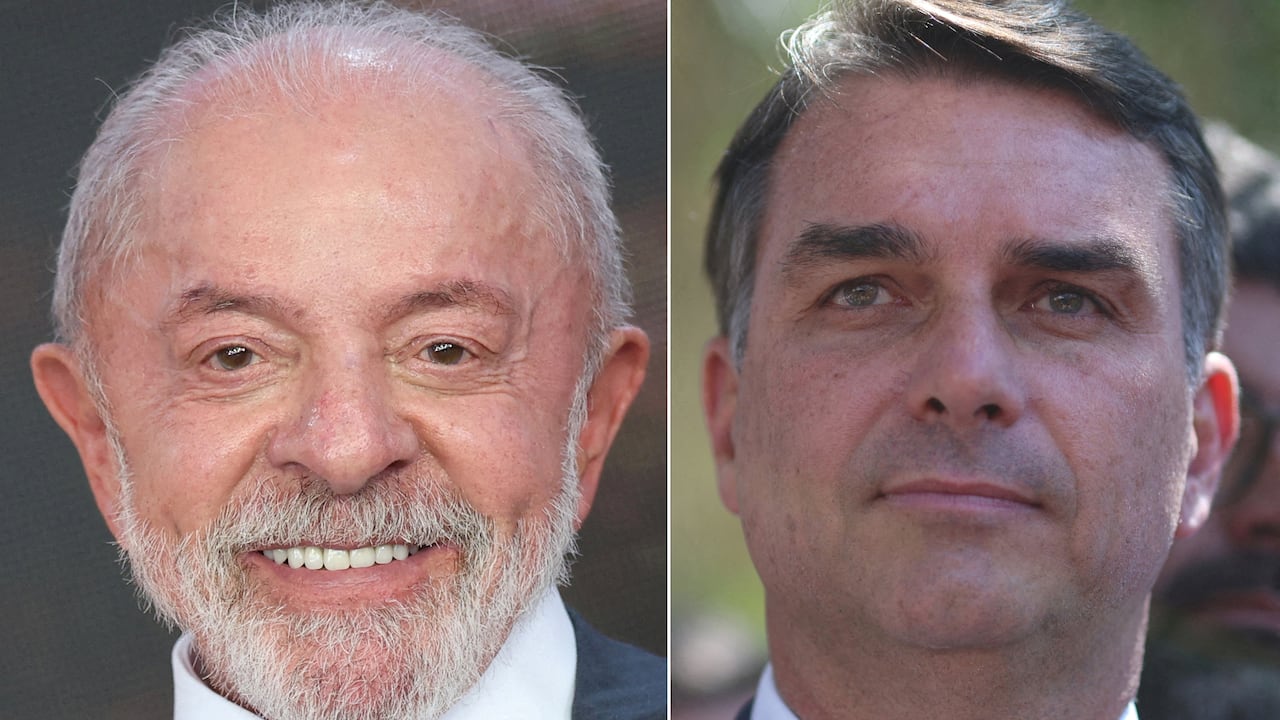
Brazil heads into a closely contested presidential run-off between incumbent Luiz Inácio Lula da Silva and Flávio Bolsonaro, with voters focused on corruption, household finances and the candidates’ economic promises. Flávio, a senator and son of former president Jair Bolsonaro, led Lula by about 2.2 million votes in the first round on Oct. 4. Polls have since tightened, and journalist Pedro Doria describes the contest as nearly a coin toss. Although no candidate who placed second in the first round has won under Brazil’s current electoral system, Doria says the margin is unusually narrow and many voters are motivated more by opposition to the other candidate than by support for their own.
Interviews in Rio de Janeiro illustrate the competing priorities. Regina da Silva Andrade, who remains undecided but leans toward Flávio, says elected leaders should meet basic needs such as health care and education. Some voters are willing to distinguish Flávio from his father, Jair, who was convicted of plotting a coup after losing the 2022 election and sentenced to 27 years and three months in prison. Researcher Marsílea Gombata says anger about corruption and a sense of financial stagnation have nevertheless helped Flávio. She notes that lower-middle-class people who expected greater prosperity under Lula feel left behind, while Flávio’s proposed tax cuts and reduced government spending appeal to them.
Corruption allegations affect both camps. The Operation Car Wash investigation and Lula’s overturned conviction continue to shape public debate. Flávio has also faced scrutiny over money reportedly connected to a documentary about his father, and he is under investigation in a related case; Lula’s son is separately under investigation for alleged influence peddling and corruption. Voters interviewed describe contrasting concerns: shop owner Paulo Coelho backs Flávio over the economy, while community-program organizer Aline Vieria supports Lula, fearing cuts to social safety nets and risks to her children’s future. The article presents the election as a polarized contest shaped by economic anxiety, corruption concerns and disagreements over social policy.
Entities: Luiz Inácio Lula da Silva, Flávio Bolsonaro, Jair Bolsonaro, Brazilian presidential run-off, Rio de Janeiro • Tone: analytical • Sentiment: neutral • Intent: inform
23-10-2026
Brazil’s presidential run-off campaign between incumbent Luiz Inacio Lula da Silva and far-right challenger Flavio Bolsonaro has become increasingly tense, with the candidates separated by only a few percentage points ahead of Sunday’s vote. After Lula’s unexpectedly close first-round showing, his campaign has shifted toward younger party officials and intensive digital organizing. A WhatsApp channel called “Lula’s army” has attracted millions of followers and is being used to mobilize supporters and undecided voters. Bolsonaro’s camp is countering with its own online network, led by MP Nikolas Ferreira, and has used AI-generated material to criticize left-wing events. The online campaign has also prompted legal complaints involving Meta and allegations of political favoritism and abuse of power.
Polling suggests the race has tightened since Bolsonaro’s initial lead after the first round. Lula also gained a campaign boost from Senate approval of a law ending the six-day work week, although his supporters warn Bolsonaro could reverse it. The article describes the candidates’ first televised debate as combative and dominated by personal attacks and corruption allegations rather than detailed discussion of policy. A political scientist cited in the story says the confrontation may have hurt Bolsonaro because viewers perceived him as aggressive. The debate’s stressful atmosphere was reflected in reports of anxiety symptoms among some viewers and a stress-related health emergency involving Lula ally André Janones.
With millions of voters having abstained in the first round and polls showing a narrow contest, both campaigns are urging supporters to vote early and prepare for potential obstacles. The article portrays a campaign marked by digital mobilization, political anxiety, and uncertainty, in which even a small shift in turnout or undecided voters could determine the result.
Entities: Brazilian presidential run-off, Luiz Inacio Lula da Silva, Flavio Bolsonaro, Jair Bolsonaro, Workers’ Party • Tone: analytical • Sentiment: negative • Intent: analyze
23-10-2026
Brazil’s Oct. 25 presidential runoff is a close contest between 80-year-old President Luiz Inácio Lula da Silva and Sen. Flávio Bolsonaro, the 45-year-old son of jailed former President Jair Bolsonaro. The election could extend Lula’s long political career or strengthen the Bolsonaro family’s influence over Brazil’s right. Flávio finished ahead of Lula in the Oct. 4 first round and leads in some polls, although surveys show the race tightening and generally within the margin of error. A Wednesday poll found that 10% of voters remained open to changing their minds.
The campaign has energized supporters, with large rallies for both candidates. Lula’s backers describe concern about women’s rights, racism, inequality and vulnerable communities. Lula, who first took office in 2003 and is seeking a fourth nonconsecutive term, says this will be his final election. His political standing suffered during the 2010s amid a corruption scandal and imprisonment, but his convictions were later annulled on procedural grounds. He narrowly defeated Jair Bolsonaro in 2022.
Flávio Bolsonaro has pledged to pardon his father, who is serving a sentence for plotting to overturn the 2022 result, and proposes reducing the size of the state to promote growth. Lula challenged him over the economic consequences of modeling policy on Argentina’s austerity under President Javier Milei. Bolsonaro has also promised a forceful crackdown on organized crime, appealing to voters who identify public safety as a major concern.
The article also reports protests outside Meta’s São Paulo offices. Lula’s campaign alleges that Meta unfairly restricted his content, while the company denies favoring either side. Meta acknowledged technical problems with election-related content, and its Oversight Board and U.N. experts have raised concerns about how political content is handled. With the race so close, social media distortions and Election Day turnout could prove consequential.
Entities: Luiz Inácio Lula da Silva, Flávio Bolsonaro, Jair Bolsonaro, Brazilian presidential runoff, Brazil • Tone: analytical • Sentiment: neutral • Intent: inform
23-10-2026
A Datafolha poll published on Oct 22 found Brazil’s presidential runoff race nearly tied, with Senator Flavio Bolsonaro narrowly ahead of President Luiz Inacio Lula da Silva. The poll put Bolsonaro at 47% and Lula at 46% among respondents ahead of the Oct 25 runoff. The result is within the poll’s margin of error of plus or minus 2 percentage points, so the figures indicate a close contest rather than a clear lead. Five per cent of respondents said they would cast a blank vote, while 2% were undecided. Datafolha surveyed 2,154 people between Oct 20 and 22. The article notes that Bolsonaro, the eldest son of former President Jair Bolsonaro, had also led Lula in the first-round vote earlier in October. The previous week’s Datafolha poll had shown Bolsonaro at 47% and Lula at 45%, suggesting that the latest figures showed Lula narrowing the gap by one percentage point while Bolsonaro’s support remained unchanged. The report presents the polling figures and context without endorsing either candidate or predicting the election outcome.
Entities: Flavio Bolsonaro, Luiz Inacio Lula da Silva, Jair Bolsonaro, Datafolha, Brazil • Tone: analytical • Sentiment: neutral • Intent: inform
23-10-2026
The Guardian podcast preview focuses on the implications of Brazil’s presidential runoff for the Amazon rainforest and the communities that live there. Latin America correspondent Tom Phillips travels to Roraima, Brazil’s northernmost state, to speak with voters, preachers and politicians. The region strongly supported far-right candidate Flávio Bolsonaro in the first round of voting. Phillips reports that people he meets are hopeful Bolsonaro will restore mining, an industry his father, former president Jair Bolsonaro, encouraged while in office. That administration oversaw the felling of 11 million acres (4.5 million hectares) of rainforest, according to the article.
The report also features Indigenous activists who say they are prepared to resist even if the Bolsonaro family returns to power. Their presence highlights the competing interests at the center of the election: hopes among some residents for renewed mining, and efforts to protect Indigenous communities and the rainforest from further damage. Presenter Helen Pidd considers what the outcome could mean not only for Brazil but for the climate crisis more broadly. The article frames the runoff as a consequential contest for the Amazon, linking national electoral choices to deforestation, Indigenous activism and global climate concerns. It does not provide the election result; instead, it previews a podcast episode examining local perspectives and the possible environmental consequences of the vote.
Entities: Tom Phillips, Helen Pidd, Flávio Bolsonaro, Jair Bolsonaro, Brazil • Tone: analytical • Sentiment: neutral • Intent: inform