26-10-2026
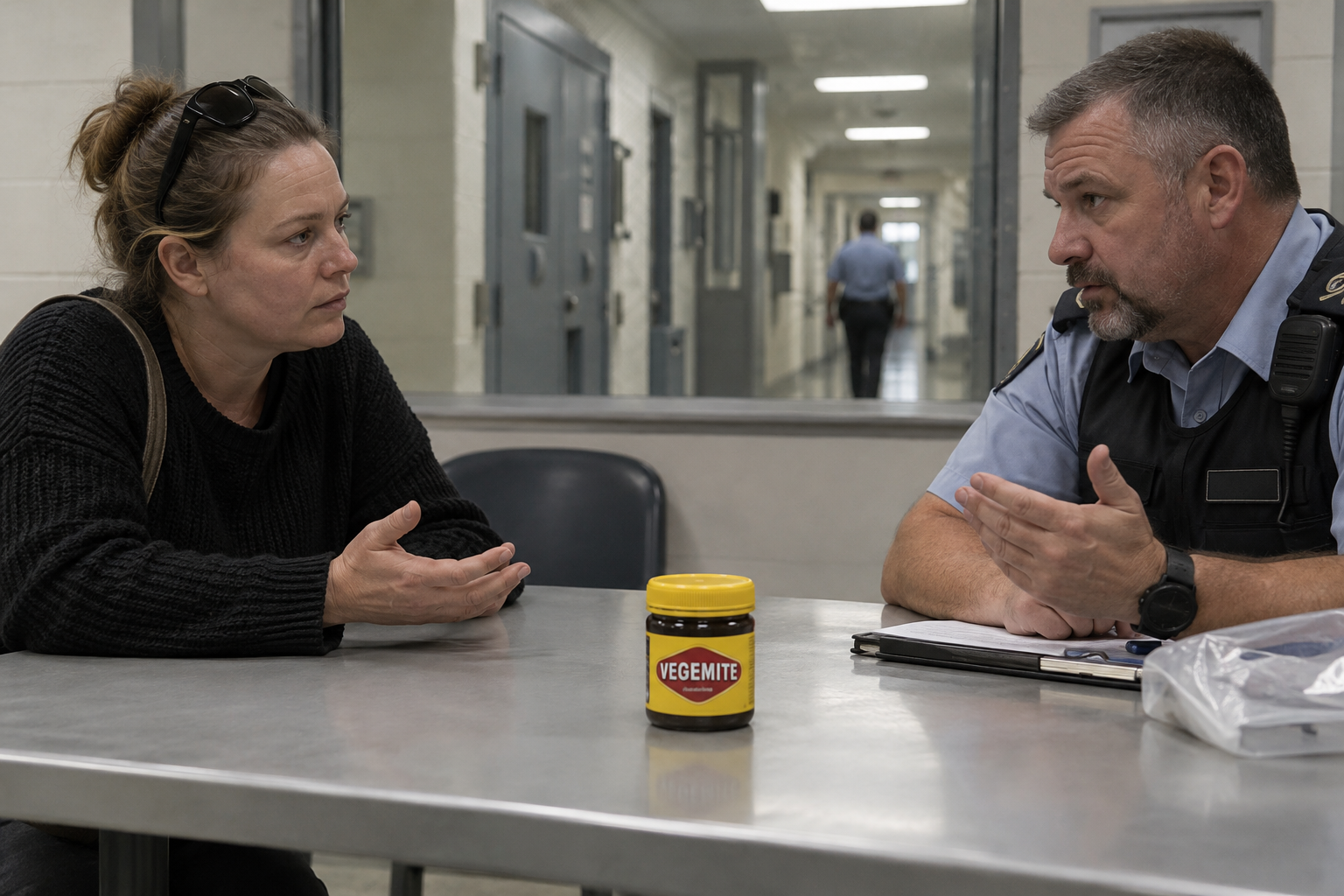
Andre McKechnie, a 54-year-old convicted murderer serving a life sentence in Australia, has lost a legal challenge seeking permission to eat Vegemite in prison. He argued that Victoria’s ban on the spread, which has been in place since 2006, infringed his right to “enjoy his culture as an Australian.” On Monday, a Supreme Court judge rejected his appeal, observing that his cultural rights were limited by his imprisonment. McKechnie also claimed that the ban breached requirements for prisons to provide food supporting inmates’ health and well-being, but the judge said he had not established that claim.
Corrections Victoria told the court that the strong smell of Vegemite could be used to disguise contraband or brew alcohol, and could distract sniffer dogs searching for drugs. Vegemite is also prohibited in prisons in Queensland, South Australia and Tasmania. McKechnie was sentenced to life for stabbing a property developer to death in Queensland in the 1990s. After serving part of his sentence there, he was transferred to Victoria.
The article places the case in the wider cultural history of Vegemite, a thick, brown yeast-based spread invented in Melbourne as an alternative to Britain’s Marmite and first sold in Australia in 1923. It also recalls a dispute in Canada in April the previous year, when a cafe owner was told to remove Vegemite because it did not meet local health regulations. Australian Prime Minister Anthony Albanese criticized the situation as “rather odd,” given that Canada allowed Marmite to be sold. The cafe owner was subsequently permitted to continue selling Vegemite.
Entities: Andre McKechnie, Vegemite, Victoria, Supreme Court, Victoria Department of Justice and Corrections • Tone: analytical • Sentiment: neutral • Intent: inform
26-10-2026
Andre McKechnie, a 55-year-old man serving a life sentence for murder in Victoria, Australia, has lost a legal challenge seeking permission to consume Vegemite in prison. He argued that the ban interfered with his rights under Victoria’s Charter of Human Rights and Responsibilities Act, including his ability to enjoy Australian culture alongside other Australians. Justice Claire Harris accepted that the restriction limited his cultural rights, but ruled that the limitation was justified by prison authorities’ efforts to prevent drugs and alcohol from entering the prison system.
Vegemite has been prohibited in Victoria’s state prisons for about 20 years. Authorities say its strong smell could interfere with narcotics-detection dogs and that its yeast content could be used to help brew alcohol. McKechnie, who represented himself, pointed to New South Wales prisons, where Vegemite is not banned, as evidence that less restrictive alternatives might be available. He also cited a report of a failed attempt to mask drugs with Vegemite, arguing that the dogs still detected the drugs, and said the spread has no live yeast.
A prison department manager, Kevin White, referred to research suggesting Vegemite can accelerate fermentation in home-brewed beer. McKechnie initially linked the absence of Vegemite from his diet to a vitamin B1 deficiency, but later withdrew that argument after prison lawyers challenged the evidence. He maintained that the ban made him feel deprived of his culture and disconnected from family and community. Harris found it difficult to accept that the lack of Vegemite, rather than imprisonment itself, materially caused those feelings. She also said McKechnie had not adequately supported his claim that the spread would not affect sniffer dogs. The article notes that Vegemite is a staple in Australia, where more than 80 per cent of households are estimated to keep a jar.
Entities: Andre McKechnie, Justice Claire Harris, Kevin White, Global News, Supreme Court of Victoria • Tone: analytical • Sentiment: neutral • Intent: inform
26-10-2026
A Supreme Court judge in Victoria, Australia, has rejected Andre McKechnie’s challenge to the state prison system’s ban on Vegemite. McKechnie, 55, is serving a life sentence for murder and argued that denying him the popular yeast-based spread violated his rights under Victoria’s Charter of Human Rights and Responsibilities Act, including his right to enjoy Australian culture with other Australians. Judge Claire Harris accepted that the restriction limited his cultural rights but ruled that it was justified by prison authorities’ aims of preventing illicit drugs and alcohol from entering the prison system.
Officials testified that Vegemite had been prohibited in Victoria’s 12 prisons for about 20 years because its odor might interfere with drug-sniffing dogs and its yeast content might help inmates brew alcohol. McKechnie argued that the neighboring state of New South Wales allowed Vegemite in prisons, suggesting less restrictive policies were possible. He also disputed the claims about the spread’s usefulness in concealing drugs or making alcohol. Harris concluded that he had not established a proper basis for his claims about sniffer dogs, while a prison department manager cited research indicating Vegemite could speed beer fermentation.
McKechnie initially said the ban contributed to a thiamine deficiency because he could not eat pork for religious reasons, but he later dropped that argument. He also described feeling “deprived,” sad and disconnected from his family and community. Harris said it was difficult to regard the inability to eat Vegemite, rather than imprisonment itself, as a material cause of those feelings.
The case drew on Vegemite’s status as a widely consumed Australian food and cultural symbol. McKechnie cited academic research linking a taste for the spread to Australian birth and ancestry, its mention in Men at Work’s “Down Under,” and past efforts to secure its importation into China for the 2008 Beijing Olympics. Vegemite’s owner, Bega Group, did not respond to a request for comment.
Entities: Andre McKechnie, Justice Claire Harris, Kevin White, Victoria, Australia, Supreme Court of Victoria • Tone: analytical • Sentiment: neutral • Intent: inform