26-10-2026
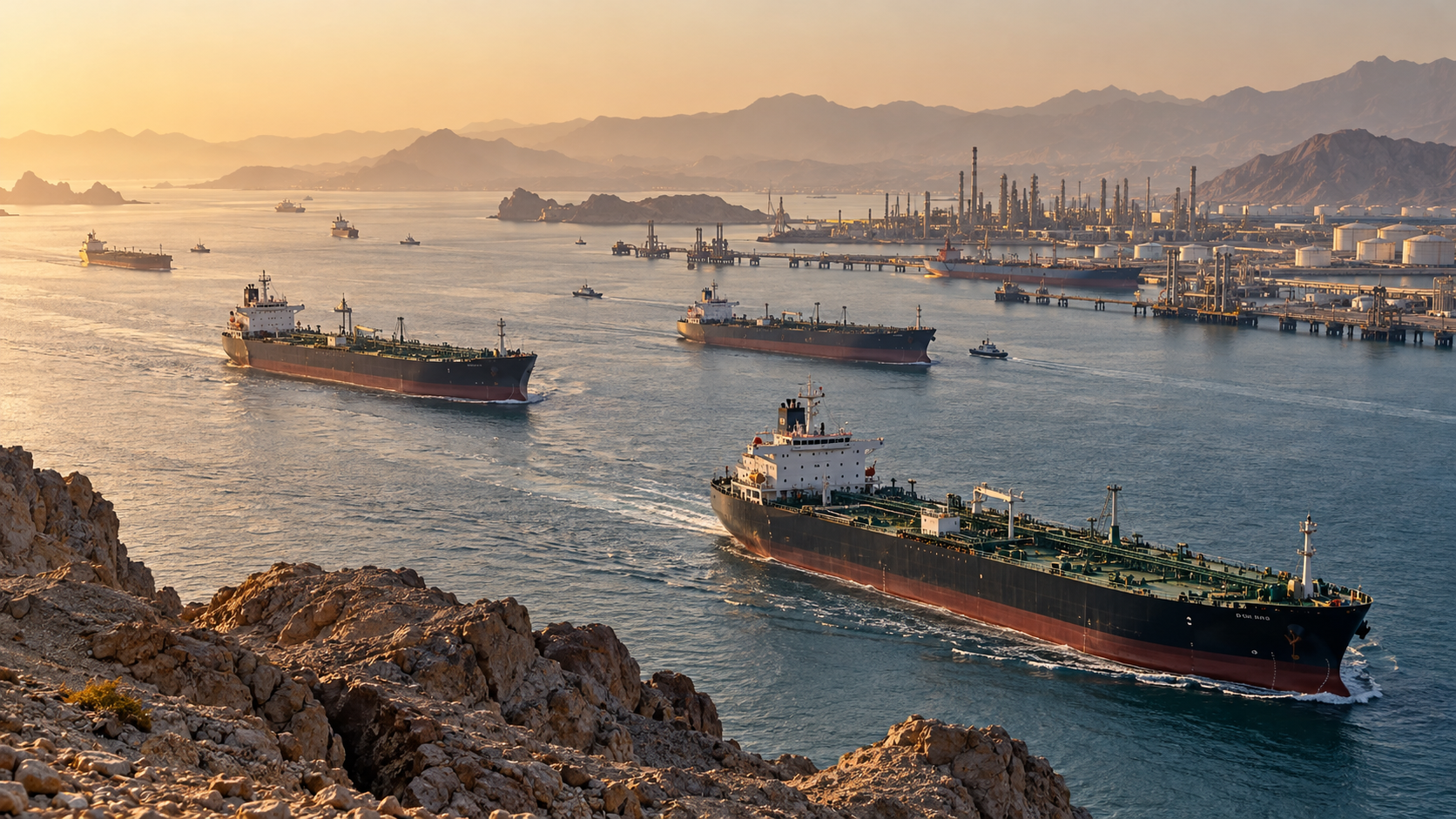
Saudi Arabia plans to store crude oil at Singapore’s Jurong Rock Caverns from the second half of 2027, according to energy ministers from the two countries. The arrangement is intended to strengthen regional energy security following severe disruptions to Asian oil supplies through the Strait of Hormuz during the US-Iran war. Before the conflict, nearly two-thirds of Asia’s imported oil came from the Middle East, Reuters reported.
Singapore’s energy, trade and industry minister, Tan See Leng, announced the joint intent at the Singapore International Energy Week conference. He said the plan would make Saudi Arabia’s crude supply chain in Southeast Asia more resilient while improving Singapore’s ability to prepare for disruptions. Saudi Aramco is expected to sign a memorandum of understanding with Singapore’s Energy Market Authority and JTC Corp, with negotiations anticipated to conclude within a few months.
Saudi energy minister Prince Abdulaziz bin Salman Al-Saud said storing oil closer to Asian markets would make Saudi Arabia’s supply network more flexible and support Singapore’s security of supply. Aramco already stores crude in Japan and South Korea, where local governments have priority access to the oil during unexpected shortages. In Japan, storage capacity in Okinawa was expanded to 8.2 million barrels in 2017 through an agreement with Japan Oil, Gas and Metals National Corp.
The Jurong Rock Caverns are located 150 metres underground on Jurong Island and can hold up to 1.47 million cubic metres of liquid hydrocarbons, including crude oil and condensate. The proposed Saudi storage arrangement would add Singapore to the locations where Aramco maintains oil reserves for access to key Asian markets.
Entities: Saudi Arabia, Singapore, Jurong Rock Caverns, Strait of Hormuz, US-Iran war • Tone: analytical • Sentiment: neutral • Intent: inform
26-10-2026
Robin Mills argues that the global diesel shortage has no immediate supply-side solution because war has disrupted both crude-oil flows and refining capacity, while refineries elsewhere are already operating close to their limits. The crisis has exposed a pre-existing weakness: refinery closures in Europe and Australia reduced capacity, while the Middle East’s newer refineries—important suppliers of diesel and jet fuel—have been threatened by attacks and restrictions on exports through the Strait of Hormuz. US crude production cannot fully compensate because its lighter crude yields less diesel. The disruption has helped push US diesel prices from $3.48 to $6.18 per gallon since the start of the year, and UAE prices from Dh2.55 to Dh4.80 per litre.
The article questions whether Russia, China or emergency government action can provide relief. Russian refinery attacks by Ukraine have sharply reduced Russian diesel exports, and the small volume the US plans to import under a sanctions suspension would mostly redirect existing supplies rather than add to global availability. China, despite having spare refining capacity, has banned fuel exports. US measures to support refining and pipelines will take too long to affect the crisis, while strategic stock releases are limited and could worsen a winter shortage. Refiners are already maximizing profitable output, and shifting production away from petrol or jet fuel would impose other economic costs.
Mills sees more potential in reducing demand, though he says action should have started earlier. He points to China’s electrified rail network, reduced flights, and shift of buses and lorries from diesel to natural gas and batteries. Other countries could accelerate electric or hybrid vehicles, especially in Europe, where diesel cars are common, and reduce heating-oil use through insulation and solar heating. The article’s central conclusion is that the crisis has no quick fix: meaningful relief depends on adapting energy use and transport, rather than expecting a sudden surge in diesel supply.
Entities: Robin Mills, Qamar Energy, Strait of Hormuz, Gulf refining complexes, Saudi Arabia • Tone: analytical • Sentiment: negative • Intent: analyze
26-10-2026
The US military says it has helped Gulf countries export more than 1.5 billion barrels of oil since June by supporting commercial shipping through the Strait of Hormuz. US Central Command (CENTCOM) reported that more than 3,000 commercial vessels transited the strait with US support over six months, and that more than 95 percent of ships passed safely despite Iranian threats. CENTCOM said the figures demonstrate that the United States and regional partners control the waterway, a claim presented as the military’s characterization of the situation.
During a regional visit, CENTCOM Commander Admiral Brad Cooper observed the operational environment from a US Army helicopter. He said the United States remained committed to working with Gulf partners and the shipping industry to preserve freedom of navigation. Cooper also said the primary shipping routes had been cleared of Iranian mines through mine-clearance operations.
Oil exports have largely recovered to pre-war levels, even as the threat of attacks on commercial vessels continues. Market intelligence firm Kpler estimated that 16.5 million barrels per day left the region in September, excluding Iran—matching the average before the United States and Israel began strikes on Iran in late February. Analysts attribute the recovery to offshore ship-to-ship transfers, US military escorts, and greater use of oil pipelines.
The rebound in flows has not brought oil prices back to their earlier levels. Brent crude futures were about $114.50 per barrel on Sunday, after retreating roughly 2 percent from a nearly six-month high. Brent had settled at $72.48 on February 27, the day before the strikes began. The article thus reports both the restoration of regional oil exports and the continuing security risks and price effects associated with the conflict.
Entities: US Central Command (CENTCOM), Admiral Brad Cooper, United States, Gulf countries, Iran • Tone: analytical • Sentiment: neutral • Intent: inform