24-05-2026
The article reports that Acting Secretary of the U.S. Navy Hung Cao said a $14 billion U.S. arms sale to Taiwan has been placed on pause so the military can ensure it has enough munitions for ongoing Iran-related operations. Cao told lawmakers that the pause is temporary and that foreign military sales will resume when the administration deems it appropriate. The report places this in the context of growing uncertainty over the Trump administration’s commitment to Taiwan, especially after President Trump said he had made “no commitment either way” on the weapons package and declined to publicly say whether the U.S. would defend Taiwan if attacked by China. The article notes that China claims Taiwan as its own territory and has increased military pressure on the island in recent years. It also highlights bipartisan congressional concern, with lawmakers arguing the U.S. should continue arming Taiwan to support deterrence. The piece emphasizes the tension between U.S. strategic priorities in the Middle East and Washington’s long-standing policy of supporting Taiwan’s self-defense against China.
Entities: Hung Cao, Donald Trump, Xi Jinping, Taiwan, China • Tone: analytical • Sentiment: neutral • Intent: inform
24-05-2026
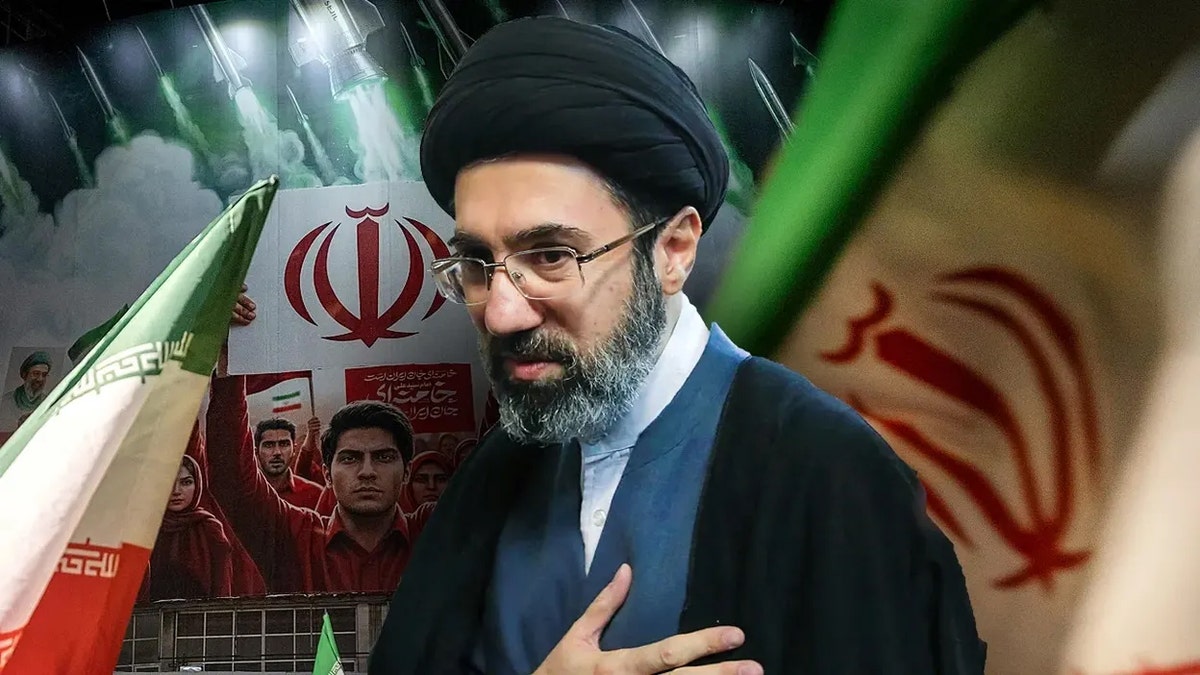
The article reports that Iran’s Supreme Leader Mojtaba Khamenei has reportedly remained out of public view for nearly three months as tensions with the United States escalate, and it compares his disappearance to Osama bin Laden’s long period of hiding before he was killed by U.S. forces. The piece centers on commentary from counterterrorism expert Dr. Omar Mohammed, who argues that the Iranian leader appears to be following a similar survival model: limiting exposure, avoiding digital traces, and relying on concealed, hardened locations and trusted couriers. The article frames Khamenei’s absence as strategically significant amid a standoff between Washington and Tehran, including President Donald Trump’s pause of a planned strike on May 19 and his public comments that he was in “no hurry.” It also references Khamenei’s limited online activity, including posts on X, and one message described as declaring a “holy war.” The piece ties these developments to broader U.S.-Iran confrontation, the role of the IRGC, and Israel’s military actions against Iranian leadership. Overall, the article presents Khamenei’s secrecy as both a security tactic and a sign of vulnerability, using bin Laden as the primary comparison to suggest that visible leadership has become dangerous for Iran’s ruling figure.
Entities: Mojtaba Khamenei, Osama bin Laden, Donald Trump, Dr. Omar Mohammed, Fox News Digital • Tone: analytical • Sentiment: negative • Intent: analyze
24-05-2026
Chinese traders and investors operating in Iran are increasingly shifting from sea transport to railway and overland freight routes as the US-Israel war on Iran disrupts shipping through the Strait of Hormuz and undermines normal maritime logistics. The article focuses on Chinese merchant Han Yun, who has been traveling between Xinjiang, Xi'an, and Yiwu to secure freight capacity for moving goods back to Tehran when conditions allow. Because rail space is scarce and May slots are already fully booked, traders are comparing trucking and the China-Europe Railway Express as fallback options. Han, who has sold small household appliances in Iran since 2023, says his income has effectively stalled after he returned to China in January. The story illustrates how extended conflict is forcing Chinese businesspeople in Iran to adapt by seeking alternative transport channels, with rail demand rising and only limited cargo services such as Iran Air remaining partially available for certain routes.
Entities: US-Israel war on Iran, Strait of Hormuz, Chinese traders in Iran, Han Yun, Xinjiang • Tone: analytical • Sentiment: neutral • Intent: inform