25-05-2026
Oil prices fell sharply and Asian equities rallied after comments from U.S. President Donald Trump suggested a possible peace agreement with Iran could be nearing completion. Brent crude dropped 5.5% and U.S. crude fell 5.9% in Asian trading as investors reacted to expectations that a deal could reopen the Strait of Hormuz, a crucial shipping route through which about one-fifth of the world’s oil and LNG normally passes. Trump said an agreement had been “largely negotiated,” but then urged caution, saying negotiators should not rush and that “there can be no mistakes.” The article notes that the market reaction reflects hopes of easing supply disruption after months of conflict that had driven volatility and kept oil prices well above pre-war levels. Japan’s Nikkei 225 climbed above 65,000 for the first time, helped by expectations that energy flows from the Gulf may resume, while other major markets in the UK and U.S. were closed for public holidays. Iranian officials said talks with the U.S. had been moving closer, but also warned that major disagreements remained and criticized Washington’s conflicting public statements. Energy analysts cautioned that even in a best-case scenario, oil markets are likely to remain tight for years because of the time needed to restore shipping through Hormuz, repair damaged infrastructure, and rebuild depleted global oil inventories.
Entities: Oil prices, Brent crude, US-traded crude, Strait of Hormuz, Donald Trump • Tone: analytical • Sentiment: neutral • Intent: inform
25-05-2026
President Donald Trump has told U.S. negotiators not to rush into a deal with Iran, even as both Washington and Tehran signal that talks are close to producing a framework for further negotiations. The reported arrangement is not a final settlement but a memorandum of understanding that could extend a 60-day ceasefire, reopen the Strait of Hormuz, and create space for additional discussions about Iran’s nuclear program, sanctions relief, frozen Iranian funds, and the possible transfer of highly enriched uranium. Trump said the sides must take their time and “get it right,” while U.S. Secretary of State Marco Rubio described the progress as significant but not final. Iranian officials, including foreign ministry spokesperson Esmail Baghaei and President Masoud Pezeshkian, also said Iran is close to an agreement but insists its nuclear program is peaceful and not aimed at building a weapon.
The article frames the diplomacy against the backdrop of recent U.S. and Israeli strikes on Iran, Iran’s retaliatory moves, and the strategic importance of the Strait of Hormuz, through which a large share of global oil and liquefied natural gas passes. The conflict and blockade have affected global energy markets, and the prospect of a deal has helped push oil prices down. The story also highlights political divisions in the United States: some Republicans, including Senators Ted Cruz and Roger Wicker, call the deal too lenient, while Representative Mike Lawler says the administration has forced Tehran into serious negotiations. Pakistan’s Deputy Prime Minister Ishaq Dar is cited as a mediator who sees grounds for optimism.
Entities: Donald Trump, Iran, United States, Israel, Strait of Hormuz • Tone: analytical • Sentiment: neutral • Intent: inform
25-05-2026
A senior Trump administration official said Iran has agreed in principle to dispose of highly enriched uranium as part of ongoing negotiations with the United States, though no formal deal is expected to be signed immediately. According to the official, the U.S. believes Iran’s supreme leader has approved the basic framework of a deal, but major details still need to be finalized through a slow and opaque Iranian decision-making process. The tentative agreement would unfold in two stages: first, the opening of the Strait of Hormuz in exchange for lifting the U.S. blockade, and then additional negotiations over how Iran would give up parts of its nuclear program, including the disposal of highly enriched uranium.
The official said the U.S. is pushing Iran to commit to eliminating highly enriched uranium and addressing other nuclear concerns, and described the prospective agreement as better than the 2015 nuclear deal under President Barack Obama, which allowed some level of enrichment. Sanctions relief and unfreezing of Iranian assets remain undecided and would depend on Iran delivering on U.S. demands. The official expressed optimism that a deal could still be reached, saying the administration is in a very good place and can meet the president’s national security objectives.
The negotiations reportedly involve Vice President JD Vance, Middle East envoy Steve Witkoff, and Jared Kushner, with the administration trying to coordinate with regional allies. President Trump has publicly suggested a deal is close, while also cautioning negotiators not to rush. The article presents the talks as a significant diplomatic shift, with Iran making concessions it previously resisted after a brief military campaign.
Entities: Iran, United States, highly enriched uranium, Strait of Hormuz, Trump administration • Tone: analytical • Sentiment: neutral • Intent: inform
25-05-2026
Oil prices fell sharply after President Donald Trump signaled that negotiations with Iran over reopening the Strait of Hormuz were moving forward. Trump said the talks were proceeding in an orderly and constructive manner and suggested that an agreement could be announced soon, though he emphasized that the United States would not rush into a deal. The remarks eased market fears of an imminent disruption to global oil flows, sending West Texas Intermediate and Brent crude down about 5% in Sunday trading.
The article explains that the Strait of Hormuz is one of the world’s most important oil chokepoints, with roughly 20% of global supply passing through the waterway before the conflict. Oil prices had already been highly volatile because of the war with Iran: U.S. crude fell more than 8% the previous week and Brent dropped more than 5% after Trump said he had called off imminent airstrikes against Iran to allow more time for diplomacy. Even with the latest decline, prices had still risen more than 30% since U.S. and Israeli attacks on Iran in late February.
The piece also notes that Iran has effectively blocked shipping through Hormuz since early March, requiring vessels to seek permission or face attack, and that the U.S. responded with its own blockade of Iranian ports and vessels. Trump said the U.S. blockade would remain in force until a formal agreement is reached, certified, and signed. Overall, the article frames the oil market reaction as highly sensitive to signals of progress or breakdown in U.S.-Iran negotiations, with direct implications for global energy supply and shipping security.
Entities: Donald Trump, Iran, Strait of Hormuz, West Texas Intermediate, Brent • Tone: analytical • Sentiment: neutral • Intent: inform
25-05-2026
The article reports on live developments in US-Iran negotiations aimed at ending the conflict and reopening the Strait of Hormuz. President Donald Trump and senior administration officials say a framework deal is close, but not finalized, and that Washington will not rush the process. The proposed arrangement would reportedly give negotiators 60 days to settle a longer-term agreement and would require Iran to give up highly enriched uranium while ensuring it never obtains a nuclear weapon. A key element is reopening the Strait of Hormuz, which the US says would be de-mined and returned to commercial traffic, though officials and analysts warn that restoring normal energy flows could be slow and complicated.
Secretary of State Marco Rubio said the negotiations are still a work in progress and emphasized that Trump is not eager to accept a bad agreement. Trump said the deal would be very different from the Obama-era nuclear deal and that no one yet knows all the details. The article also notes reactions from Israeli Prime Minister Benjamin Netanyahu, who said Iran will never have a nuclear weapon and that he is coordinating with Trump, and from US lawmakers who split over the effort. Republican leaders see possible political and economic upside, while others criticize the process or warn it could fail without congressional oversight. Meanwhile, Iranian Revolutionary Guard-linked reporting said more than 30 vessels had been authorized to pass through the strait in the previous 24 hours. The reporting frames the negotiations as potentially significant for global energy markets, but still unresolved and highly complex.
Entities: Donald Trump, Marco Rubio, Benjamin Netanyahu, Mike Johnson, Thom Tillis • Tone: analytical • Sentiment: neutral • Intent: inform
25-05-2026
CNN’s analysis argues that a possible Trump administration deal with Iran could become nearly as politically divisive as Trump’s original decision to wage war. The piece says Trump is under intense pressure to secure some kind of agreement after the conflict, but the emerging contours of a deal appear unsatisfying to critics on both the right and left. The most plausible arrangement discussed would reopen the Strait of Hormuz and ease the U.S. blockade on Iranian shipping, but it would not immediately resolve the central issue of Iran’s nuclear program. That gap has prompted accusations that Trump may be preparing to accept a weak settlement after publicly demanding Iran’s “unconditional surrender.”
The article emphasizes Trump’s political bind. If he pushes for a deal, hawkish Republicans may see it as surrendering leverage and validating Iran’s battlefield gains. If he resumes or escalates military action, he risks further casualties, higher gas prices, and public backlash from voters who broadly oppose the war. Democrats, meanwhile, are attacking Trump for starting the war and for failing to achieve the stated goal of neutralizing Iran’s nuclear ambitions. The article frames the administration’s challenge as both strategic and political: any agreement may be too limited to satisfy Washington, yet renewed fighting could be even more dangerous and costly. In the end, CNN suggests Trump may be facing a choice between an imperfect peace and a potentially worse continuation of war, with no option likely to produce a clean political victory.
Entities: Donald Trump, Iran, Strait of Hormuz, Republican hawks, Democrats • Tone: analytical • Sentiment: negative • Intent: analyze
25-05-2026
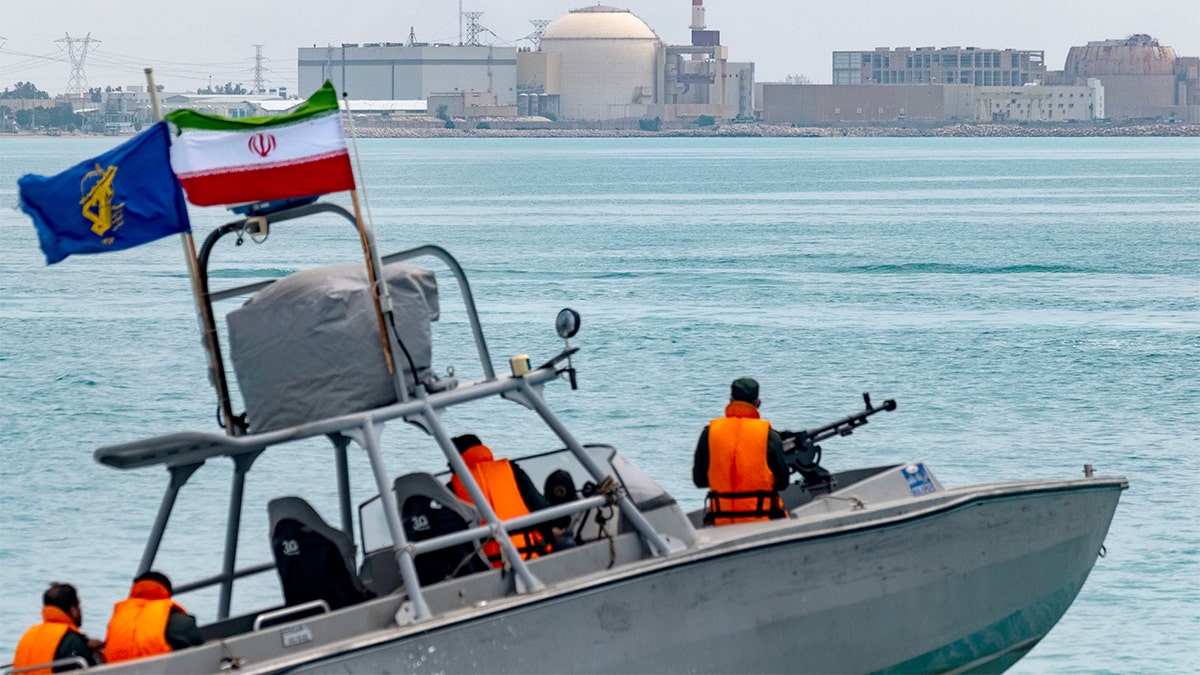
The article reports that maritime tracking signals near Fujairah, the United Arab Emirates’ key oil port, abruptly went dark just as President Donald Trump said a U.S.-Iran deal was nearing completion. According to maritime intelligence firm Windward AI, the collapse in Automatic Identification System (AIS) transmissions suggested possible electronic warfare, deliberate signal jamming, cyber interference, or ships intentionally going dark in a tense period for Gulf shipping. Windward said the port still moved a large crude shipment — 1.35 million barrels aboard a single very large crude carrier bound for South Korea — but framed that as an early sign of flow resuming rather than a return to normal operations. The timing is notable because Trump said the U.S. and Iran had “largely finalized” a peace agreement and that the Strait of Hormuz would reopen, even as Iran continued to insist it retained full sovereignty over the chokepoint. The piece also describes Iran’s newly launched Persian Gulf Strait Authority, overseen by the IRGC Navy, which reportedly requires ships to provide vessel, cargo, insurance, and crew details, along with payments, for safe passage. Analysts quoted in the article argue that Tehran is using the Strait of Hormuz as a key source of non-nuclear leverage to pressure Gulf states and global shippers, relying on fast boats, drones, missiles, and intimidation rather than constant physical interdiction. Overall, the article portrays a highly volatile maritime and geopolitical environment in which shipping disruption, oil movement, and U.S.-Iran diplomacy are unfolding together under the shadow of military coercion and strategic brinkmanship.
Entities: Fujairah, United Arab Emirates, Strait of Hormuz, Iran, Donald Trump • Tone: urgent • Sentiment: negative • Intent: inform
25-05-2026
A Fox News Digital article argues that the apparent public friction between President Donald Trump and Israeli Prime Minister Benjamin Netanyahu over Iran was likely a deliberate strategic deception rather than a genuine rupture. According to Kobi Michael, a senior researcher at Israel’s Institute for National Security Studies and the Misgav Institute, leaks and tense calls suggesting disagreement were meant to keep Iran uncertain about U.S.-Israeli coordination and to create the impression that Washington was giving diplomacy another chance while Jerusalem was being sidelined. The article says the “crisis” narrative culminated in a weekend of renewed synchronization, with Trump and Netanyahu publicly signaling unity. Netanyahu later posted that the U.S.-Israel partnership remains stronger than ever and reiterated that Iran must never obtain nuclear weapons.
The piece explains that Axios reported a difficult call between the leaders over a revised U.S. proposal to Iran, with Netanyahu reportedly preferring renewed military pressure instead of negotiations. The article notes that weekend reports suggested Israeli leaders had been marginalized from the talks, but Netanyahu then publicly affirmed solidarity with Trump. Michael said the tactic was intended to blindside Tehran and potentially shape the timing of any future military action. The article also cites a follow-up call in which Trump reportedly reassured Netanyahu that any final deal would fully dismantle Iran’s nuclear program and reaffirmed Israel’s right to defend itself. Overall, the article frames the episode as a coordinated diplomatic and psychological maneuver aimed at strengthening leverage over Iran while presenting a united front to both domestic and foreign audiences.
Entities: Donald Trump, Benjamin Netanyahu, Iran, Tehran, Israel • Tone: analytical • Sentiment: neutral • Intent: inform
25-05-2026
This opinion piece argues that the Trump administration should not rush into any peace or nuclear agreement with Iran unless Tehran gives up its nuclear ambitions in a verifiable and enforceable way. The author criticizes early reports of a possible deal for containing too many vague commitments, such as promises to decide details later or to rely on trust rather than concrete verification. The article warns that easing pressure too soon—especially by lifting sanctions or reopening oil exports through the Strait of Hormuz—would give Iran money, time, and leverage without forcing meaningful concessions.
The piece contends that Iran is weakened by economic strain, military setbacks, and pressure on its regional proxies, and that this moment gives the United States rare leverage. It argues that any agreement must require Iran to permanently abandon or safely surrender its enriched uranium, accept inspection and verification, and limit its missile and drone programs. The article also insists that no sanctions relief should be granted until Iran has fulfilled concrete obligations. It criticizes the weaknesses of the Obama-era nuclear deal, particularly because Iran continued supporting groups like Hezbollah, Hamas, and the Houthis.
Overall, the article presents Trump as having created a historic opportunity to stop Iran from obtaining nuclear weapons, but warns that the chance will be lost if his administration settles for a weak or premature deal.
Entities: Donald Trump, Iran, Tehran, Strait of Hormuz, Hezbollah • Tone: analytical • Sentiment: negative • Intent: critique
25-05-2026
The article reports that the Trump administration is moving toward a potential deal with Iran that could reopen the Strait of Hormuz, but the process may take days or even up to a week, and success is not guaranteed. A senior administration official said negotiations over the war and Iran’s nuclear program are in a final phase, yet the transfer of a final agreement to Iran’s leadership could be slowed by the political and security situation in Tehran. The administration’s core demand is that Iran surrender its enriched uranium and give up any pathway to a nuclear weapon before sanctions are lifted and the American blockade of Iranian ports is ended.
The article explains that reopening the strait would provide significant relief to the world economy by restoring normal shipping through one of the world’s most important oil chokepoints. It also notes that the United States has warned Iran that there will be no financial benefit until it meets Washington’s conditions, echoing a “no dust, no dollars” approach. The piece suggests that Trump is willing to keep negotiations open until he gets what he considers the ideal terms, even as officials express optimism that Iran’s moderates are gaining influence over hardliners. At the same time, Trump is said to be prepared to walk away if Tehran does not commit to his terms, underscoring both the potential for a breakthrough and the fragility of the talks.
Entities: Donald Trump, Iran, Strait of Hormuz, Tehran, Mojtaba Khamenei • Tone: analytical • Sentiment: neutral • Intent: inform
25-05-2026
Oil prices fell sharply as markets reacted to signs that the United States and Iran were moving closer to a possible agreement, even though President Donald Trump said Washington would not “rush” into a deal and that a final accord was still several days away. Brent crude dropped as much as 5.7% to $97.64 a barrel, while West Texas Intermediate traded below $92, reflecting trader expectations that any easing of tensions could reduce the supply shock caused by the crisis around the Strait of Hormuz. The article explains that the conflict began in February after the US and Israel attacked Iran, triggering a wider disruption across the Persian Gulf and forcing producers to cut millions of barrels of crude output. The Strait of Hormuz, a critical chokepoint for global energy shipments, has effectively been under a double blockade by both Tehran and Washington. While the market welcomed the possibility of a reopening, substantial uncertainty remained over unresolved issues, especially Iran’s nuclear program and Tehran’s demand that frozen assets be released. The potential reopening of Hormuz would be particularly important for major Asian energy importers such as China, Japan, and South Korea, and the move also pushed Europe’s natural gas benchmark lower. Overall, the piece focuses on how diplomatic progress, even if incomplete, immediately affects global energy markets and pricing.
Entities: Donald Trump, United States, Iran, Israel, Strait of Hormuz • Tone: analytical • Sentiment: neutral • Intent: inform
25-05-2026
The article argues that Donald Trump’s reported push for a preliminary peace deal with Iran could undermine Benjamin Netanyahu’s long-standing strategy for reshaping the Middle East through confrontation with Tehran. Netanyahu has spent years promoting the idea that destroying the Islamic Republic would pave the way for broader regional normalization, strengthen Israel’s strategic position, and establish it as a dominant security power. But Trump’s announcement that a draft deal with Iran had been “largely negotiated,” made after calls with Arab and Islamic leaders, suggests a sharp turn away from the kind of hardline approach favored by Netanyahu and by pro-war conservatives in Trump’s orbit.
The article highlights the immediate political backlash among Republican hawks and pro-Israel allies of Israel’s leadership, who framed any agreement as appeasement. Comments from Senator Ted Cruz and former secretary of state Mike Pompeo are cited as examples of the pressure Trump faces from an ultraconservative faction that sees diplomacy with Iran as a dangerous concession. The piece suggests that Trump’s willingness to pursue a deal may reflect growing dissatisfaction with the absence of a decisive military victory in the Iran conflict and a possible loss of confidence in Netanyahu’s leadership. In that sense, the reported peace initiative is portrayed not just as a foreign policy shift, but as a direct challenge to Netanyahu’s regional ambitions and political narrative.
Entities: Benjamin Netanyahu, Donald Trump, Iran, Tehran, Israel • Tone: analytical • Sentiment: neutral • Intent: analyze
25-05-2026
The article examines the Trump administration’s temporary arrangement with Iran as an incomplete, fragile step rather than a final peace or nuclear settlement. It argues that the deal’s immediate value lies in de-escalating a conflict that had threatened to spin out of control and in reopening the Strait of Hormuz, a critical global oil route. In doing so, both sides appear to have accepted the least bad option: the United States gains relief from an economically dangerous blockade, while Iran gets breathing room as its economy weakens under pressure.
However, the article stresses that the hardest issues remain unresolved. Key questions include whether Iran will surrender its highly enriched uranium, whether enrichment will actually be halted, and whether any limits will be placed on Iran’s missile programme. The piece notes that the agreement appears to postpone, rather than solve, the core dispute over Iran’s nuclear and military capabilities. It also highlights contradictions and uncertainty in Trump’s public statements, which swing between confidence and caution, and it underscores skepticism from Republican hawks and former officials who believe the administration has not completed its objectives.
Overall, the article portrays the arrangement as a tactical pause that may create room for future negotiations, but warns that the ceasefire and diplomatic process are fragile and could still collapse.
Entities: Donald Trump, Iran, Strait of Hormuz, Washington, Pakistan • Tone: analytical • Sentiment: neutral • Intent: analyze
25-05-2026
US President Donald Trump said he is in no hurry to finalize a deal with Iran, even as his administration signaled that talks over a possible peace framework and reopening of the Strait of Hormuz are continuing. Trump said US restrictions on Iranian ships would remain until an agreement is formally reached, certified and signed. While a senior US official described an emerging framework in which Iran would, in principle, reopen the strait, give up highly enriched uranium and later negotiate nuclear details over a 60-day period, there was no immediate confirmation from Tehran. The article underscores several unresolved issues, including Iran’s nuclear program, the future of sanctions, frozen Iranian funds and the status of shipping through the strategically vital strait.
The piece also highlights growing criticism inside the United States. Trump, already facing political pressure over war-related energy prices and limits on his war powers, has promoted the prospect of ending the conflict, but critics from both parties say the reported outlines amount to little more than a return to the pre-war status quo or a replay of the 2015 Iran nuclear deal. Trump defended the effort on Truth Social, insisting that any agreement would be proper and warning detractors not to “listen to the losers.”
Beyond politics, the article notes the market impact of the talks: oil prices fell sharply on hopes of progress. It also emphasizes that even if a deal is reached, the conflict’s wider damage will not be quickly reversed. The war has caused significant casualties in Iran and Lebanon, displaced large numbers of people, and disrupted regional shipping and global energy supplies. The overall story is about uncertain diplomacy, domestic political backlash, and the limited but meaningful relief a deal could bring to markets and the fragile ceasefire.
Entities: Donald Trump, Iran, United States, Strait of Hormuz, Tehran • Tone: analytical • Sentiment: neutral • Intent: inform
25-05-2026
U.S. intelligence has reportedly determined that Iran’s supreme leader is hiding in an undisclosed location with very limited access to the outside world, relying on couriers to communicate. According to U.S. officials cited in the article, this isolation is complicating internal Iranian decision-making and slowing communication with the United States as Washington and Tehran negotiate the details of a possible agreement. The article says Iranian officials authorized to interact with the Trump administration have struggled to relay proposals through their own system, causing delays in responses to U.S. proposals. A White House spokesperson declined to comment on the intelligence regarding the supreme leader’s whereabouts or communication methods.
The piece also says a senior administration official indicated on Sunday that the supreme leader had agreed to the broad contours of a draft agreement, while President Trump posted on Truth Social that he expected a final answer within days. It describes Mojtaba Khamenei as taking extraordinary precautions to avoid being targeted by U.S. and Israeli strikes during the war, and notes that he has not been publicly seen or heard from since before the conflict began. U.S. and Israeli intelligence are described as having penetrated parts of the Iranian government, enabling the targeting of senior leadership during the war. The article emphasizes the bunker-like secrecy surrounding Iran’s top officials and the resulting difficulty of negotiation, portraying the situation as tense, opaque, and highly constrained by security concerns.
Entities: Iran, U.S. intelligence, Mojtaba Khamenei, Ayatollah Ali Khamenei, White House • Tone: analytical • Sentiment: neutral • Intent: inform
25-05-2026
Asian markets advanced on Monday in holiday-thinned trading, led by Japan’s Nikkei 225, which crossed 65,000 for the first time and hit a record high. The rally was driven by improving investor sentiment after President Donald Trump said on Truth Social that negotiations with Iran were progressing in an orderly and constructive manner. His remarks suggested possible progress in talks and raised hopes that the Strait of Hormuz, a critical global energy chokepoint, could reopen soon. That prospect sent oil prices sharply lower, easing a major source of market anxiety.
The decline in oil prices was pronounced: West Texas Intermediate futures for July fell 5.87% to $90.93 per barrel in early Asia trade, while Brent crude futures for July dropped 5.58% to $97.76. With energy costs easing, regional equities strengthened broadly. Japan’s Topix rose 1.19%, Taiwan’s Taiex surged to a new all-time high above 43,000, Australia’s S&P/ASX 200 gained 0.45%, China’s CSI 300 rose 0.91%, and India’s Nifty 50 advanced 1.09%. Markets in Hong Kong and South Korea were closed for holidays, and U.S. markets were also shut for Memorial Day, contributing to lower trading volumes.
The article also places the moves in the context of recent U.S. market performance, noting that on Friday the Dow, S&P 500, and Nasdaq all closed higher, with the Dow and S&P posting record-related milestones. Overall, the piece highlights how geopolitical developments in the Middle East and changing oil expectations are influencing global risk appetite and boosting Asian equities.
Entities: Nikkei 225, Topix, Taiwan's Taiex, S&P/ASX 200, CSI 300 • Tone: analytical • Sentiment: positive • Intent: inform
25-05-2026
CNBC’s Daily Open focuses on the mixed signals coming from U.S. President Donald Trump regarding a possible Iran deal. Trump publicly praised the negotiations as “constructive” while simultaneously criticizing skeptics on social media and posting images suggesting military action against Iranian ships. The piece says the proposed deal could include opening the Strait of Hormuz, ending hostilities, unfreezing some Iranian assets, and continuing negotiations aimed at limiting Tehran’s nuclear program. However, major sticking points remain, especially Iran’s desire to keep its enriched uranium stockpile inside the country and impose tolls for passage through the Strait of Hormuz. Markets appear to be reacting positively to the possibility of progress, with oil prices falling in Asia; West Texas Intermediate dropped nearly 5% and Brent fell below $100 for the first time in over a month.
The article also frames the conflict as having wider regional economic consequences. It argues that the Middle East war is undermining Gulf states’ ambitions to capitalize on the global AI boom, as investor confidence weakens and concerns grow about energy security and infrastructure resilience. Some data center investment decisions in the region have reportedly been paused or delayed because of the conflict. In a separate AI-related note, South Korea’s deputy prime minister said AI-generated wealth should benefit the public and warned that the AI era could worsen inequality and job losses.
The article closes with entertainment news: Disney’s "The Mandalorian and Grogu" opened as the first new Star Wars film in seven years and, despite beating expectations, still marked the lowest domestic opening for a Disney-era Star Wars film, surpassing only slightly the prior low set by "Solo: A Star Wars Story."
Entities: Donald Trump, Iran, Strait of Hormuz, Tehran, U.S. West Texas Intermediate (WTI) • Tone: analytical • Sentiment: neutral • Intent: inform
25-05-2026
European stock markets were expected to open higher on Monday, supported by improving risk sentiment after weekend developments in U.S.-Iran talks. Futures pointed to gains for major European benchmarks, with France’s CAC 40 seen rising 0.9% and Germany’s DAX up 1.1%, while the U.K.’s FTSE 100 was closed for a public holiday. The upbeat tone in Europe followed a strong session in Asia, where Japan’s Nikkei 225 crossed the 65,000 level for the first time in holiday-thinned trading. Investor optimism was boosted by reports that the Strait of Hormuz could reopen soon, a development that helped push oil prices lower. U.S. President Donald Trump added to the positive market mood by saying on Truth Social that negotiations with Iran were proceeding in an orderly and constructive manner, and that he had told his representatives not to rush because time was on their side. The drop in oil prices by more than 5% eased pressure on markets and supported the broader rally, with European stocks poised for a fifth straight day of gains.
Entities: European stocks, U.S.-Iran talks, France's CAC 40, Germany's DAX, U.K.'s FTSE 100 • Tone: analytical • Sentiment: positive • Intent: inform
25-05-2026
CNN reports that Sen. Thom Tillis (R-NC) criticized a possible Iran agreement being negotiated by President Donald Trump’s administration, arguing that it is “doomed to fail” because it lacks congressional oversight. In an interview with CNN’s Jake Tapper, Tillis said that bypassing Congress would undermine the durability and legitimacy of any deal with Iran, implying that a successful agreement should have bipartisan and legislative backing. The item is presented as a short political video segment, and it situates Tillis’s criticism alongside other recent Iran-deal-related comments, including remarks by Secretary of State Marco Rubio that there has been “significant progress” toward a deal. The broader context suggests an ongoing policy debate over diplomacy with Iran, the role of Congress in foreign agreements, and how President Trump’s team is handling negotiations. The piece is largely a brief news clip rather than a deep reported article, so the central focus is Tillis’s warning that the deal is likely unsustainable without formal congressional involvement.
Entities: Thom Tillis, Donald Trump, Iran, Jake Tapper, CNN • Tone: analytical • Sentiment: negative • Intent: inform
25-05-2026
This Straits Times page is a topic listing for ‘Maritime and shipping,’ not a single standalone article. It presents a stream of recent headlines related to maritime security, regional conflict, port access, shipping disruption, and business developments involving Singapore and the wider Asia-Pacific region. The listed items focus heavily on the Iran-US conflict and its effects on the Strait of Hormuz, one of the world’s most important shipping chokepoints. Several headlines point to diplomatic and military efforts to de-escalate tensions, including claims of ‘encouraging’ progress in ending the war, discussions of ongoing US-Iran talks, and a visit by Pakistan’s military chief to Tehran aimed at helping resolve the conflict.
The page also highlights shipping-specific implications of geopolitical instability, such as the risks of Iran’s threat to control the Strait of Hormuz and reports of a Chinese container ship among the few vessels crossing the waterway amid deadlock over reopening it. Beyond the Middle East, the page includes other maritime-related stories, such as a fatal capsizing in Okinawa involving suspected unsafe boat practices, and Australia’s disappointment over a Chinese owner’s resistance to a forced port sale. There is also a headline about Singapore business leader Teo Siong Seng taking leave from the Singapore Business Federation and an economic task force due to US allegations, indicating broader commercial and governance consequences linked to international scrutiny. Overall, the page reflects a news hub tracking fast-moving developments at the intersection of shipping, geopolitics, trade routes, and regional security.
Entities: Maritime and shipping, Strait of Hormuz, Iran, US-Iran war, Marco Rubio • Tone: analytical • Sentiment: neutral • Intent: inform
25-05-2026
According to the article, the United States and Iran have developed a memorandum of understanding that could extend a ceasefire for 60 days while the two sides work toward a final agreement to permanently end the war in Iran. A key element of the framework is that, during this interim period, the Strait of Hormuz would be demined and reopened, restoring a critical shipping lane that had been disrupted by the conflict. The report frames the arrangement as a provisional step rather than a completed peace deal, suggesting that both sides are trying to buy time for negotiations while reducing immediate military and economic risks.
The article places this development in the context of an ongoing conflict that has drawn intense U.S. attention and produced a series of recent diplomatic efforts. The reference to a senior administration official indicates that the information comes from high-level U.S. sources, though the piece does not present the full text of the memorandum or confirm that a final deal has been reached. Overall, the report suggests a tentative diplomatic breakthrough centered on de-escalation, maritime security, and the possibility of a broader settlement, but it remains cautious because the arrangement is still only a framework.
Entities: United States, Iran, Sammy Westfall, Natalie Allison, John Hudson • Tone: analytical • Sentiment: neutral • Intent: inform
25-05-2026
This live news update focuses on the intensifying Middle East conflict and the diplomatic effort surrounding Iran. The lead item centers on U.S. Secretary of State Marco Rubio, who said a deal to end the war with Iran could still be reached on Monday, though he also emphasized that the United States would pursue other options if talks fail and that Israel has the right to defend itself. The liveblog then reports several developments tied to the conflict’s military, economic, and regional effects.
On the security front, Israel issued evacuation warnings for 10 villages in Lebanon, mostly in the south, ahead of strikes against alleged Hezbollah targets, citing violations of the ceasefire agreement. The Israeli military also said one soldier was killed in southern Lebanon, bringing the total Israeli military death toll in the war with Hezbollah to 23 soldiers and one civilian contractor. Meanwhile, shipping data showed vessels carrying oil and liquefied natural gas leaving the Strait of Hormuz, including tankers headed for Pakistan, China, and elsewhere, as fears about the conflict affected maritime traffic.
The article also tracks global market and policy consequences. Copper prices rose and oil fell on hopes of a U.S.-Iran peace deal, while Japanese government bonds rallied as inflation fears eased. India, heavily dependent on Gulf oil routes, raised fuel prices again because of the strain the war is placing on supply. The liveblog includes a brief item on Iran executing a man linked to January anti-government protests. Finally, the article reports on Australian activists returning after being detained during a Gaza aid flotilla interception, with allegations of abuse and beatings in detention. Overall, the piece presents a fast-moving snapshot of military escalation, diplomatic uncertainty, and economic fallout across the region and beyond.
Entities: Marco Rubio, Donald Trump, Israel, Hezbollah, Iran • Tone: analytical • Sentiment: negative • Intent: inform