21-09-2026
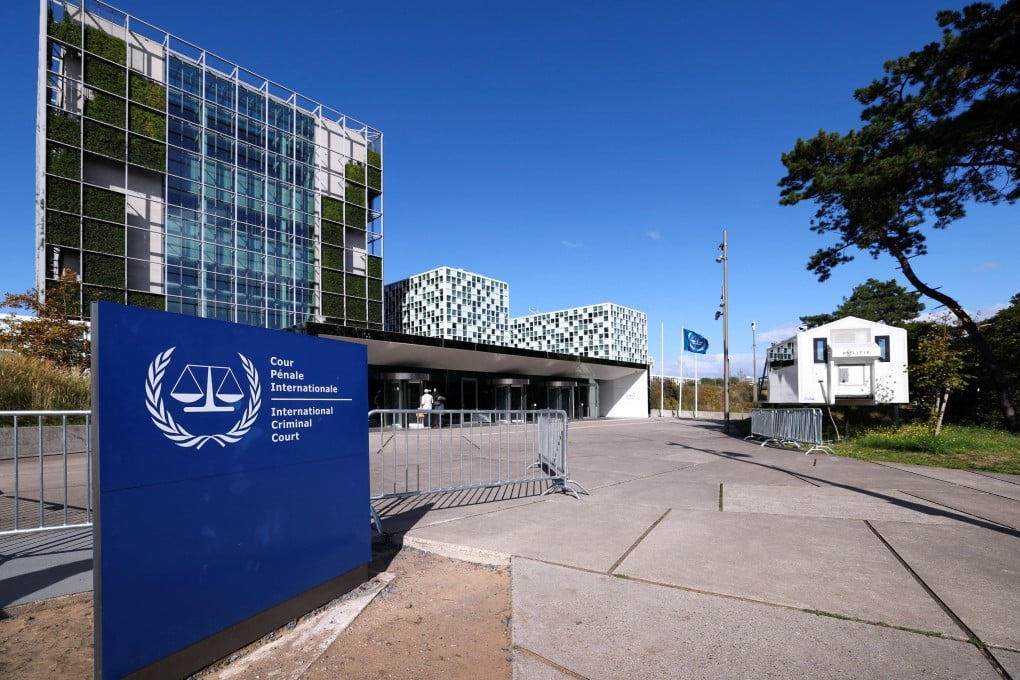
The Trump administration is reportedly preparing sweeping sanctions against the International Criminal Court (ICC), in what would represent a major escalation of Washington’s campaign against the Hague-based tribunal. According to The Wall Street Journal, the measures could prohibit most transactions between US entities and the ICC after a six- to seven-month grace period. Reuters, citing two sources familiar with the matter, reported that the sanctions could be announced soon, while the Journal said a decision might be finalized during the United Nations General Assembly in New York or shortly afterward.
The proposed sanctions would target the ICC as an institution rather than only individual judges and prosecutors. They would generally prevent US citizens and companies from providing the court with money, goods or services without authorization from the US Treasury. Because banks and businesses often avoid transactions that could expose them to US penalties, the measures could significantly disrupt the ICC’s finances and operations. The court has warned that institution-wide sanctions could affect its ability to purchase technology and insurance, hire investigators, make routine payments and pay American employees.
The ICC was established in 2002 to prosecute individuals accused of genocide, war crimes and crimes against humanity when national authorities cannot or will not act. The United States is not a member and argues that the court has exceeded its authority by pursuing officials from nonmember countries. Tensions intensified after the ICC issued arrest warrants in November 2024 for Israeli Prime Minister Benjamin Netanyahu and former Defence Minister Yoav Gallant over alleged crimes in Gaza. Washington has also opposed an ICC investigation into alleged abuses by US personnel in Afghanistan.
The administration has already sanctioned more than a dozen ICC judges and prosecutors, including ICC President Tomoko Akane and senior trial lawyer Abdoulaye Seye. Secretary of State Marco Rubio has called for further international efforts to isolate the court. The reported plan comes as several countries have announced or pursued withdrawals from the ICC, while US-based rights groups challenge existing sanctions in court.
Entities: International Criminal Court (ICC), Trump administration, United States sanctions, The Hague, United Nations General Assembly • Tone: analytical • Sentiment: negative • Intent: inform
21-09-2026
The Trump administration has prepared sanctions targeting the International Criminal Court (ICC) as an institution and is expected to announce them soon, according to two sources familiar with the matter. The proposed measures would represent a significant escalation in Washington’s campaign against the tribunal, which investigates and prosecutes alleged war crimes and genocide around the world. The sanctions could severely disrupt the ICC’s operations and its ongoing investigations.
The administration has consistently opposed the court’s activities and has sought to pressure it to abandon arrest warrants issued against Israeli leaders, as well as a previous investigation into alleged crimes committed by US troops in Afghanistan. The United States is not a member of the ICC, but it has nonetheless taken increasingly aggressive steps to challenge the tribunal’s authority and international reach.
In July, US Secretary of State Marco Rubio announced a campaign aimed at isolating the court and urged other countries to withdraw from it. Washington has already imposed sanctions on several ICC judges and prosecutors. However, it has so far refrained from imposing entity-wide sanctions against the court itself, although such a step has long been considered among the administration’s available options.
The reported plan would extend existing punitive measures from individual officials to the ICC as a whole, potentially affecting its finances, personnel, and ability to conduct investigations. The State Department had not immediately responded to a request for comment, and the sources did not provide details about the timing or specific scope of the sanctions. The report therefore describes a planned policy action rather than a formally announced measure.
Entities: Donald Trump, Trump administration, International Criminal Court (ICC), Marco Rubio, US State Department • Tone: analytical • Sentiment: negative • Intent: inform
21-09-2026
The article explains how the administration of US President Donald Trump is preparing sanctions against the International Criminal Court (ICC), potentially targeting the institution as a whole rather than only individual officials. Washington opposes the ICC’s arrest warrants for Israeli officials, including Prime Minister Benjamin Netanyahu, and objects to a previous investigation into alleged crimes involving US forces in Afghanistan. Secretary of State Marco Rubio has accused the court of threatening US sovereignty and that of US allies, while calling for international support for the ICC to be withdrawn.
According to sources cited by Reuters, organization-wide sanctions could affect the ICC’s approximately 900 employees from 100 countries. Measures imposed by the US Treasury could restrict US citizens and companies from providing funds, goods, or services to the court without authorization from the Office of Foreign Assets Control. The sanctions could disrupt credit cards, travel, data-storage and email contracts, and the court’s ability to hire outside investigators. They could also discourage non-US banks, companies, and contractors from working with the ICC because of the risk of facing US penalties.
The court would struggle to bypass the sanctions because the US dollar dominates international finance. Washington could threaten banks that process payments for the ICC with exclusion from the dollar-based system. ICC President Judge Tomoko Akane has urged the European Union to invoke a blocking statute that would prevent European companies from complying with sanctions Brussels considers unlawful, although EU support remains uncertain.
While the first Trump administration sanctioned individual ICC personnel in 2020, imposing sanctions on the entire court would be unprecedented. The article emphasizes that such action could significantly undermine an institution established as a court of last resort for war crimes, crimes against humanity, and genocide.
Entities: International Criminal Court (ICC), Donald Trump, Marco Rubio, Benjamin Netanyahu, Tomoko Akane • Tone: analytical • Sentiment: negative • Intent: analyze