20-09-2026
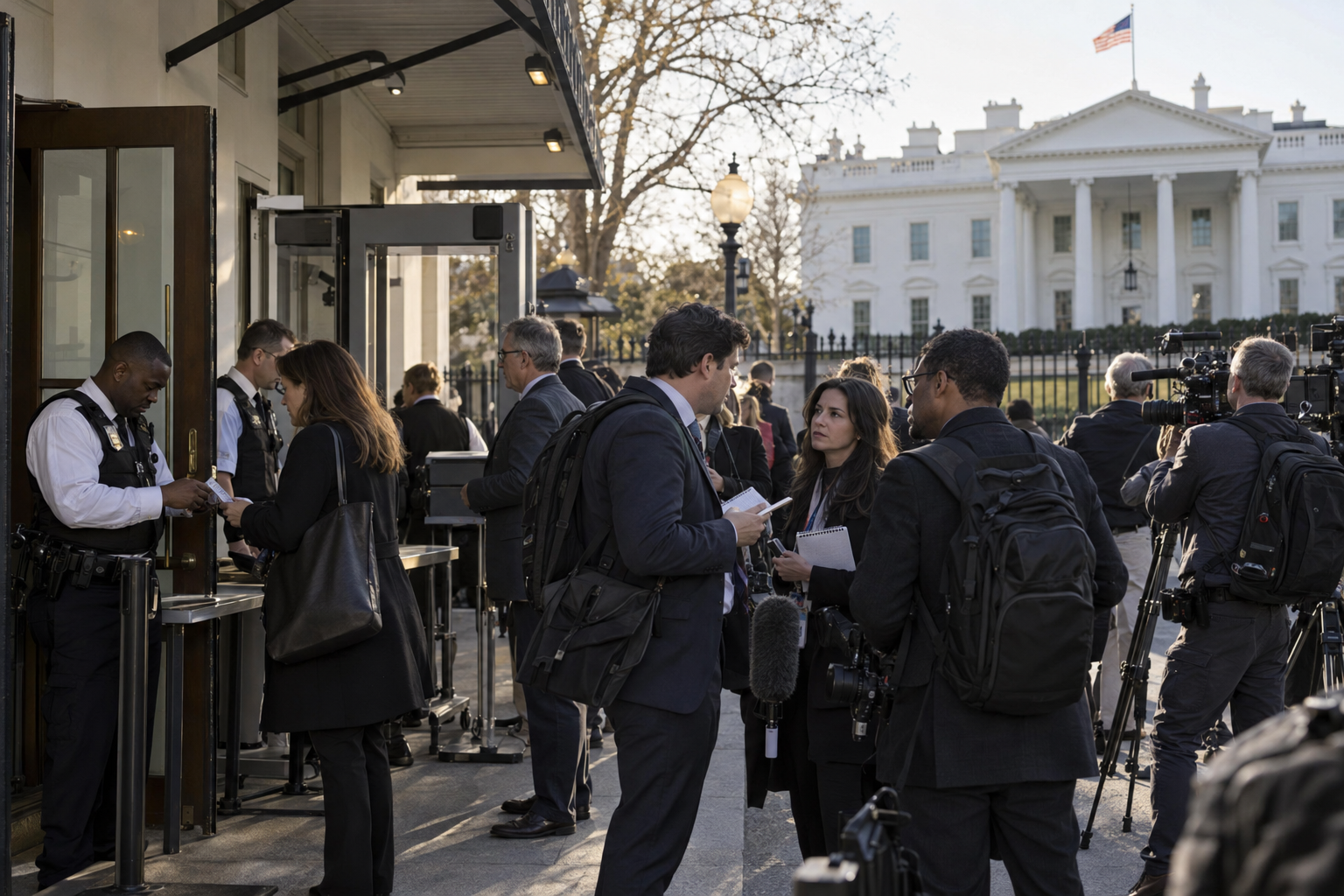
Three major news organizations—CNN, MS NOW and Politico—were denied access to the White House on Saturday, September 19, 2026, one day after President Donald Trump said he would bar them over coverage he characterized as “fake news.” CNN reporter Betsy Klein and MS NOW reporter Akayla Gardner said they were turned away and had their press credentials deactivated. Politico later reported that its White House correspondent, Cheyenne Haslett, was also denied entry and had her badge confiscated.
The outlets indicated that they may pursue legal action and issued statements pledging to defend their First Amendment rights and continue holding the government accountable. The White House Correspondents’ Association, led by Fox News president Jacqui Heinrich, called for the journalists’ immediate reinstatement. Heinrich warned that allowing the government to exclude outlets because of their coverage could establish a precedent applicable to any news organization and undermine the public’s ability to scrutinize elected officials.
The article places the incident within a broader pattern of Trump administration actions against media organizations and individual journalists, including courtroom challenges, regulatory pressure and personal attacks. It also compares the latest restrictions with Trump’s decision the previous year to bar Associated Press reporters from several presidential settings after the AP declined to adopt his preferred name, “Gulf of America,” for the Gulf of Mexico. The AP sued, and that case remains unresolved. The administration has also pursued legal action involving The New York Times, The Wall Street Journal and the BBC, while facing a dispute with ABC over broadcast-license renewals. The AP expressed solidarity with the newly barred organizations, stating that the government should not retaliate against news organizations or individuals for their words.
Entities: Donald Trump, Jacqui Heinrich, Betsy Klein, Akayla Gardner, Cheyenne Haslett • Tone: analytical • Sentiment: negative • Intent: inform
20-09-2026
France 24 reports that US President Donald Trump has barred three media outlets—Politico, CNN and MS NOW—from the White House, accusing them of spreading “fake news.” The article says Trump has indicated that additional news organizations could face similar restrictions. On Saturday, representatives of all three outlets reportedly said that the White House confiscated the press passes belonging to their reporting teams. The outlets have also suggested that they may pursue legal action against the administration.
The ban has attracted strong criticism from press freedom advocates, who view the withdrawal of journalists’ access to the White House as a serious challenge to independent reporting and the media’s ability to scrutinize government officials. The short video report, presented by France 24 journalist Charlotte Hughes, focuses on the dispute and the broader implications for journalists covering the US administration.
The report does not provide extensive detail about the specific stories or reporting that Trump characterized as “fake news,” nor does it include detailed responses from the White House or the three affected organizations. Instead, it emphasizes the immediate consequences of the decision: the confiscation of press credentials, the possibility of lawsuits, and concern among press freedom groups. The article frames the issue as part of an escalating conflict between the Trump administration and sections of the news media, while noting that the president’s remarks could signal further restrictions on White House access for other outlets.
Entities: Donald Trump, White House, Politico, CNN, MS NOW • Tone: analytical • Sentiment: negative • Intent: inform
20-09-2026
US President Donald Trump barred reporters from CNN, MS NOW and Politico from entering the White House on Sept 19, confiscating their press badges after accusing the outlets of publishing deliberately negative and false stories. Trump offered no specific examples or evidence, and his administration has not explained what prompted the decision.
The ban drew near-universal condemnation from major news organizations, press associations and First Amendment advocates, including outlets that compete with the targeted organizations. The Associated Press, The New York Times and The Washington Post characterized the action as retaliation against the press and an attack on free speech. Several journalists and commentators at Fox News also opposed the move. They argued that political disagreements with the media should be answered through debate rather than exclusion, warning that government retaliation could later be used against conservative outlets.
Democratic lawmakers accused Trump of attempting to conceal administrative failures and control the flow of information. Senate Minority Leader Chuck Schumer compared the action to tactics used by dictators, while Jamie Raskin, Elizabeth Warren and Bernie Sanders described it as censorship and a threat to the First Amendment, the Constitution and democracy. They also linked the ban to broader political difficulties facing Republicans, including inflation, an unpopular war with Iran and declining presidential poll numbers.
Some Republicans and conservative figures supported the ban, repeating claims that the outlets publish “fake news” and endanger national security, although they also provided no evidence. Defense Secretary Pete Hegseth endorsed the decision, while the campaign of Republican Senate candidate Mike Rogers appeared to distance itself from Trump. Conservative commentator Meghan McCain called the exclusion of unfavored media organizations a dangerous slippery slope. The article presents the dispute as part of a wider conflict over press freedom, presidential accountability and the limits of executive power.
Entities: Donald Trump, CNN, MS NOW, Politico, The White House • Tone: analytical • Sentiment: negative • Intent: inform