20-09-2026
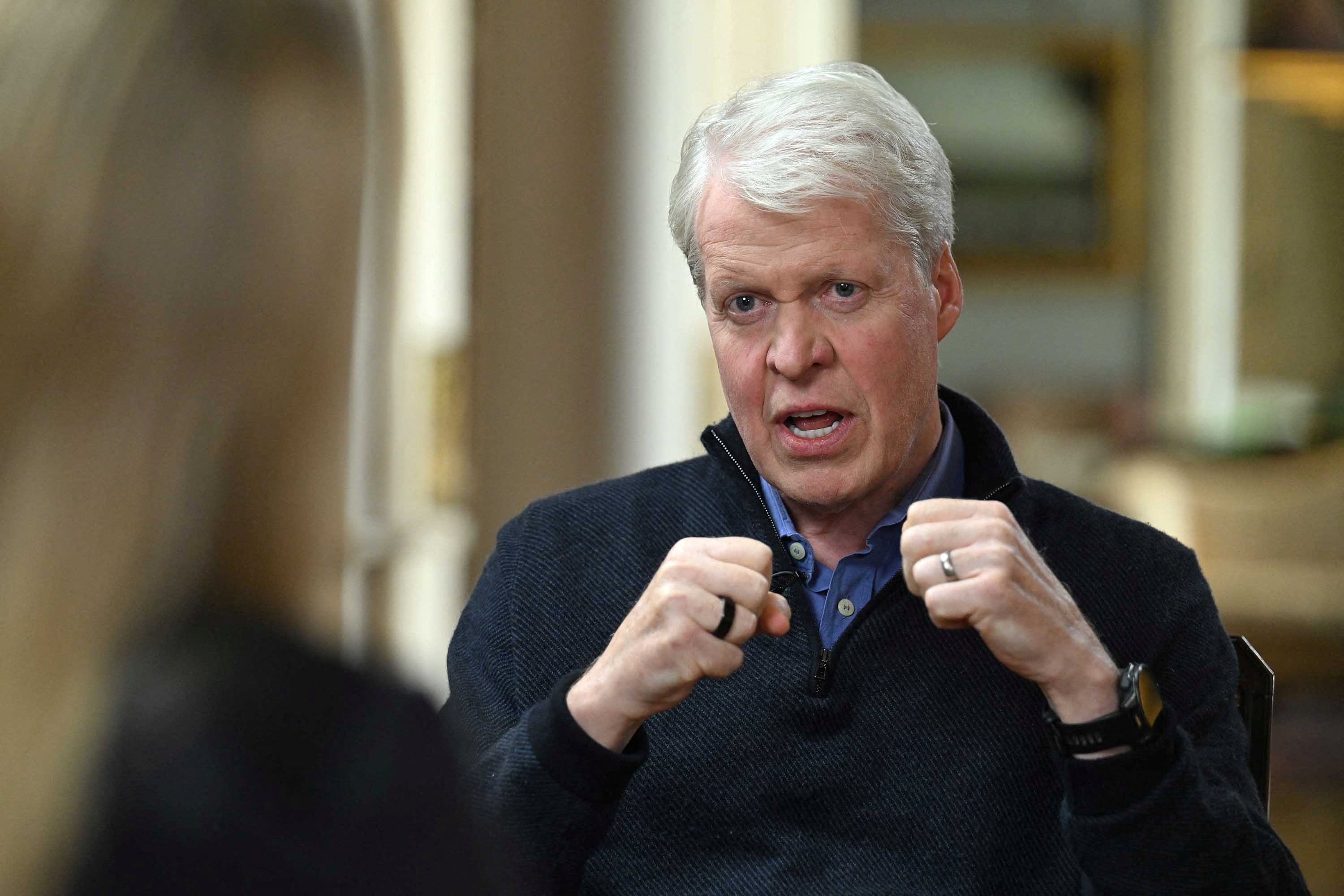
Charles Spencer, the 9th Earl Spencer and Princess Diana’s brother, discusses his new book, “Swan Song: Diana, My Sister,” and revisits the royal family’s response to Diana’s life and death. Nearly three decades after Diana died in a Paris car crash, Spencer argues that public fascination with her remains intense and that many people misunderstood her influence and personality.
The most contentious account in the book concerns a conversation Spencer says he had with Diana’s former husband, now King Charles, shortly after her death. Spencer recalls Charles saying, “We’ll forget her soon enough,” and describing him as sounding unusually upbeat. Spencer speculates that Charles may have felt liberated to pursue Camilla, though he acknowledges that he cannot know what Charles was thinking. Buckingham Palace responded that grief can cloud judgment and affect memory, while declining to comment on the book as a matter of principle.
Spencer portrays Diana as a powerful, unconventional figure who challenged the traditions of the monarchy. He says members of the British establishment, whom Diana called the “men in gray suits,” tried to suppress her, and attributes some of the hostility toward her to jealousy over her extraordinary popularity. He also recalls concerns surrounding the decision for Princes William and Harry to walk behind their mother’s coffin at her funeral, saying he believed the arrangement was intended to protect Charles from hostile crowds and that he was misled about it.
Spencer connects Harry’s later difficulties with the royal family and the press to the handling of his grief as a child. He suggests that more compassionate treatment might have led to a happier outcome. He also says Diana would have been an exceptional queen, arguing that her celebrity and public appeal could have benefited Britain.
Entities: Charles Spencer, 9th Earl Spencer, Diana, Princess of Wales, King Charles III, Queen Camilla, Prince William • Tone: analytical • Sentiment: negative • Intent: inform
20-09-2026
The article reports comments by Earl Charles Spencer, the brother of the late Princess Diana, who compared the British media’s treatment of Prince Harry and Meghan to the hostile coverage Diana experienced during her lifetime. In an interview published on Sunday, Spencer argued that the press coverage directed at the couple can be similarly unpleasant and warned that society should learn from Diana’s example.
The article recalls Diana’s death in a 1997 car crash in Paris. She was 36 when photographers pursued the vehicle on motorbikes, an event that prompted widespread grief and renewed debate about whether the media bore some responsibility for her death. For years before the crash, British tabloids had published extensive and often intrusive details about Diana’s private life. Her death therefore led to a broader reckoning over the conduct of the press and the consequences of aggressive celebrity photography.
Spencer’s remarks place Harry and Meghan’s continuing conflict with the British media within that earlier history. His comparison suggests that he views the scrutiny faced by the couple as part of a recurring pattern in which tabloids publish harsh or invasive stories about members of the royal family. He urged people to draw lessons from the way Diana was treated rather than repeat the same practices.
The report does not provide a response from Harry, Meghan, or British media organizations. Instead, it focuses on Spencer’s warning and the historical parallel between Diana’s experience and the couple’s relationship with the press.
Entities: Earl Charles Spencer, Prince Harry, Meghan, Princess Diana, British media • Tone: analytical • Sentiment: negative • Intent: inform
20-09-2026
Earl Charles Spencer, the younger brother of the late Princess Diana, has compared the media treatment of Prince Harry and Meghan Markle with the intense press scrutiny Diana experienced before her death. In an interview with the BBC, Spencer said tabloid coverage of both Diana and the Sussexes could be extremely unpleasant and warned that people should learn from Diana’s experience. He described persistent hostile reporting as a “cancerous influence” on anyone subjected to it daily.
Diana died aged 36 in a 1997 car crash in Paris while being pursued by photographers on motorbikes. Her death prompted widespread grief and renewed debate over whether aggressive media coverage and paparazzi conduct had contributed to the circumstances surrounding the crash. Harry and Meghan later cited what they called a “toxic” media environment as a major reason for stepping back from royal duties and relocating to the United States in 2020. They also brought legal actions against sections of the British tabloid press, with mixed results, before returning to Britain in August.
Spencer’s comments come as controversy grows around his book, “Swan Song: Diana, My Sister,” which was serialised in the Daily Mail. The book alleges that Diana’s former husband, now King Charles, appeared “giddily elated” in the hours after her death. Buckingham Palace rejected the characterization, saying grief can cloud judgment and affect memory, even many years later.
The book’s publication, Harry and Meghan’s return to Britain, and King Charles’ ongoing cancer treatment have created further pressure for the royal family. Diana’s relatives have previously accused the royals of failing to support her adequately before her death, a criticism Harry has also made while remaining largely estranged from his family.
Entities: Earl Charles Spencer, Princess Diana, Prince Harry, Meghan Markle, King Charles III • Tone: analytical • Sentiment: negative • Intent: inform