18-05-2026
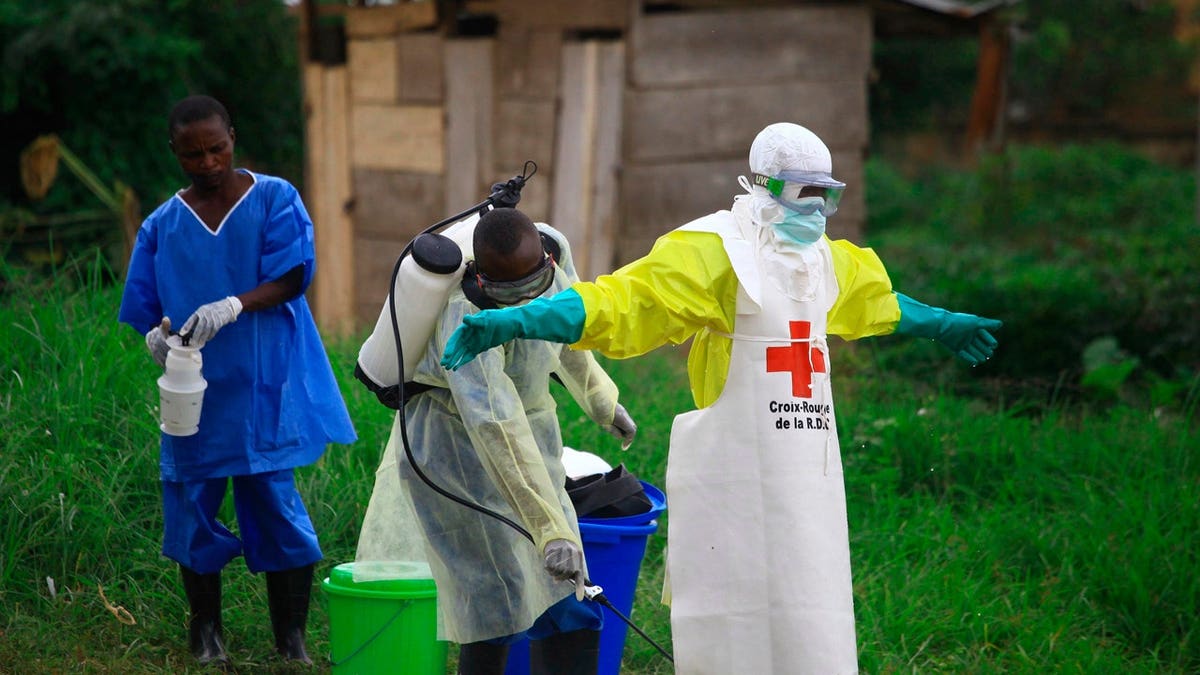
The article explains why the Ebola outbreak in the Democratic Republic of Congo (DR Congo) is worrying, while emphasizing that the global risk remains low. The main concern is not a worldwide pandemic, but a difficult-to-control outbreak in a conflict-affected region where detection and response have been delayed. The outbreak is caused by the rare Bundibugyo species of Ebola, which is more challenging to manage because there are no approved vaccines or targeted treatments for it, and standard tests appear less reliable. By the time the outbreak was confirmed, transmission had likely been occurring for weeks, and there were already nearly 250 suspected cases and 80 deaths. The article stresses that this late detection raises the possibility that the outbreak is larger than the reported numbers suggest. It also notes that neighbouring countries such as Uganda, South Sudan, and Rwanda face elevated risk because of trade and travel links; Uganda has already confirmed two cases, one fatality. Despite these concerns, experts say the risk to the wider world is tiny, and DR Congo’s experience with past Ebola outbreaks may help contain it. The piece concludes that whether the outbreak is contained quickly or escalates will depend on the strength and speed of the response now.
Entities: Ebola outbreak, Democratic Republic of Congo (DR Congo), Bundibugyo Ebola virus, World Health Organization (WHO), Uganda • Tone: analytical • Sentiment: negative • Intent: analyze
18-05-2026
The World Health Organization has declared the Ebola outbreak in eastern Democratic Republic of Congo (DR Congo) an international public health emergency, warning that the situation could become much larger than currently detected and could spread further across the region. The outbreak is centered in Ituri province and has already produced dozens of suspected deaths, with eight laboratory-confirmed cases reported and additional cases in Kinshasa, Goma, and neighbouring Uganda. The current outbreak is caused by the Bundibugyo strain of Ebola, which has no approved vaccine or specific treatment. WHO and African health officials say the combination of insecurity, humanitarian crisis, population mobility, urban hotspots, and informal healthcare facilities raises the risk of transmission.
The article explains how Ebola spreads through bodily fluids and outlines symptoms, fatality rates, incubation periods, and the animal origins of outbreaks. It also notes that previous outbreaks in DR Congo were devastating, especially the 2018-2020 epidemic that killed nearly 2,300 people. Public health authorities in Uganda, Rwanda, DR Congo, Africa CDC, the CDC, and WHO are responding with surveillance, contact tracing, border screening, isolation protocols, and emergency coordination. WHO emphasized that countries should not close borders or restrict trade, arguing such actions are not scientifically justified. The article frames the situation as a serious regional health threat requiring rapid, coordinated public health action, especially given the lack of vaccines or effective medicines for this strain.
Entities: World Health Organization (WHO), Democratic Republic of Congo (DR Congo), Ituri province, Bundibugyo virus, Bunia • Tone: urgent • Sentiment: negative • Intent: inform
18-05-2026
CBS News reports that at least six Americans in the Democratic Republic of Congo were exposed to Ebola virus, according to sources with international aid organizations. Three of the exposed Americans were described as high-risk contacts, and one was symptomatic, though it was unclear whether any had actually been infected or whether the Americans were still in Congo. The report comes amid a worsening Ebola outbreak in Congo and Uganda that the World Health Organization has declared a public health emergency of international concern. The WHO said at least 80 suspected deaths have been reported, while the CDC said there were more than 300 suspected cases in Congo and eight laboratory-confirmed cases this year.
The CDC said it is supporting interagency partners coordinating the safe withdrawal of a small number of Americans directly affected by the outbreak. Despite the exposure, the agency emphasized that the risk to the American public remains low and that it is monitoring the situation closely with systems in place to detect and respond to public health threats. The CDC has also issued travel advisories for Americans in Congo and Uganda, urging enhanced precautions and avoidance of people showing Ebola symptoms. The article explains how Ebola spreads through direct contact with bodily fluids, not casual contact or air, and notes that the latest outbreak in eastern Congo’s Ituri province is the country’s 17th since 1976, recalling the devastating 2014-2016 outbreak that killed more than 11,000 people.
Entities: Ebola virus, Democratic Republic of Congo, Uganda, World Health Organization (WHO), Centers for Disease Control and Prevention (CDC) • Tone: analytical • Sentiment: negative • Intent: inform
18-05-2026
The World Health Organization has declared the Ebola outbreak in Congo and Uganda a public health emergency of international concern after the disease spread quickly across eastern Congo and into Kampala, Uganda, with more than 250 suspected cases and at least 80 suspected deaths reported. Officials stressed that the true scale may be larger because many cases remain unconfirmed and health workers are racing to expand screening, testing, and contact tracing. The outbreak is centered in Congo’s Ituri province, especially around Bunia and neighboring health zones, and involves the Bundibugyo strain of Ebola, a rare variant for which there are no approved vaccines or treatments. The suspected index case was a nurse who died in Bunia, and Uganda later confirmed an imported case in Kampala linked to travel from Congo.
The WHO said the situation does not meet the threshold for a pandemic emergency, and it advised against closing international borders. Regional authorities and aid groups, including Africa CDC and Doctors Without Borders, warned about the risk of further spread due to population movement, conflict, and weak logistics in the affected region. Congo’s geographic size, ongoing violence in Ituri, and difficulty moving supplies and expertise are complicating the response. The CDC said the risk to Americans remains low but is monitoring the outbreak, working with health officials, and issuing travel guidance. The story also raises concerns that U.S. cuts to USAID and reduced engagement with the WHO could weaken global outbreak response capacity.
Entities: World Health Organization (WHO), Ebola outbreak, Congo, Uganda, Ituri province • Tone: urgent • Sentiment: negative • Intent: inform
18-05-2026
An Ebola outbreak in the Democratic Republic of Congo and neighboring Uganda has escalated into an international public health concern, with hundreds of suspected cases, more than 100 deaths, and at least one American missionary physician testing positive. The World Health Organization declared the outbreak a public health emergency of international concern, while the Africa CDC classified it as a continental security emergency and warned that the outbreak may be larger than current case counts suggest. The United States responded by invoking Title 42 for at least 30 days to restrict entry from affected regions and increase screening of travelers, especially non-U.S. passport holders who have recently been in the DRC, Uganda, or South Sudan. The CDC said the immediate risk to the U.S. public remains low, but it is supporting relocation efforts for Americans directly affected by the outbreak and bolstering surveillance, contact tracing, and laboratory testing in the region.
The article focuses on the Bundibugyo strain of Ebola, which currently has no approved specific treatment or vaccine. It describes the situation as worsened by ongoing conflict and aid cuts in the DRC, which have weakened surveillance systems and delayed detection. Health officials and aid workers are urgently appealing for international support as the outbreak spreads in remote parts of eastern Congo and in Kampala, Uganda. The piece also highlights the human dimension of the crisis through the case of Dr. Peter Stafford, an American missionary doctor who tested positive, and his family members who are being monitored for symptoms. Overall, the article presents a fast-moving outbreak response story centered on public health containment, travel restrictions, and the strain on fragile health systems in the region.
Entities: Ebola outbreak, Democratic Republic of Congo (DRC), Uganda, American missionary physician, Dr. Peter Stafford • Tone: urgent • Sentiment: negative • Intent: inform
18-05-2026
An international response is underway to contain a new Ebola outbreak in the Democratic Republic of Congo and Uganda after the World Health Organization declared the situation a public health emergency of international concern. The outbreak, driven by the Bundibugyo strain, has already caused dozens of suspected deaths, hundreds of suspected cases, and a small number of confirmed infections in remote northeastern Ituri province in the DRC, with additional confirmed cases reported in Kampala, Uganda. The WHO says the pattern of cases and the high positivity rate suggest the outbreak may be larger than currently detected, while the absence of approved treatments or vaccines specific to the Bundibugyo strain makes the situation especially serious.
The U.S. Centers for Disease Control and Prevention said it is helping relocate a small number of Americans directly affected by the outbreak and is supporting surveillance, contact tracing, and laboratory testing in-country. Officials did not confirm whether any Americans had been infected, and they said there was no evidence of exposure on international flights. The response effort is being intensified with emergency medical supplies, protective gear, tents, beds, and personnel arriving in Bunia, while organizations such as Doctors Without Borders prepare additional support.
The article also emphasizes the difficulty of containing the outbreak amid eastern Congo’s ongoing humanitarian crisis and conflict, which has displaced millions and weakened health systems. Health experts warn that unidentified connections between cases in Kampala may indicate broader spread in the DRC, and the deaths of health workers raise concerns about infection control failures and potential amplification in medical facilities. The piece frames the situation as an urgent global health concern with high uncertainty and significant risk of wider transmission.
Entities: Ebola outbreak, Democratic Republic of Congo (DRC), Uganda, World Health Organization (WHO), US Centers for Disease Control and Prevention (CDC) • Tone: urgent • Sentiment: negative • Intent: inform
18-05-2026
This CNN video report covers the latest Ebola outbreak in Central and East Africa, focusing on the Democratic Republic of Congo (DRC) and Uganda, where the disease has killed at least 88 people. The segment, presented by CNN’s Larry Madowo and introduced by Audie Cornish, discusses the ongoing efforts to contain the outbreak and highlights the seriousness of the public health emergency. Although the page contains mostly video packaging and promotional elements rather than a long written article, the key news value is the confirmation that the outbreak has spread across borders and has already caused a significant death toll. The report frames the situation as an active containment challenge for health authorities, underscoring the urgency of response measures needed to limit further transmission. The article/video is informational in nature, offering viewers a brief update on a worsening disease outbreak rather than a detailed investigative piece.
Entities: Ebola, Democratic Republic of Congo (DRC), Uganda, Africa, at least 88 people • Tone: urgent • Sentiment: negative • Intent: inform
18-05-2026
The article reports that the World Health Organization has declared an Ebola outbreak in Central Africa an international public health emergency after a growing number of suspected and confirmed cases emerged in the Democratic Republic of Congo and nearby Uganda. The outbreak is caused by the Bundibugyo virus strain, which the WHO says is especially concerning because, unlike Ebola-Zaire, there are currently no approved vaccines or therapeutics for it. As of the latest figures cited, officials in Congo had reported 80 suspected deaths, eight laboratory-confirmed cases, and 246 suspected cases across several health zones, while Uganda reported two laboratory-confirmed cases, including one death, linked to travel from Congo. A separate case was also reported in Kinshasa involving someone returning from Ituri province.
The WHO warned that the outbreak may be larger than reported because of a high positivity rate in initial samples and the increasing number of suspected cases. It said the disease poses a public health risk to other countries and urged governments to activate emergency systems and strengthen cross-border screening. At the same time, WHO Director-General Tedros Adhanom Ghebreyesus noted that Congo has a strong track record of responding to Ebola and announced $500,000 in emergency funding to support containment efforts. The WHO will convene an emergency committee to review response recommendations, but it did not advise border closures or travel restrictions. The article also explains what Ebola is, describes its transmission and symptoms, and notes that Congo has recorded 17 Ebola outbreaks since the virus was first identified there in 1976.
Entities: World Health Organization (WHO), Ebola outbreak, Central Africa, Democratic Republic of Congo (DRC), Uganda • Tone: urgent • Sentiment: negative • Intent: inform
18-05-2026
NPR’s article examines a new Ebola outbreak in the Democratic Republic of Congo and Uganda, focusing on two central issues: how the outbreak became so large before being identified, and whether U.S. policy changes have weakened the international response. Health officials say the first known case may have begun as early as April 24 in Bunia, DRC, but Ebola was not officially identified and announced until mid-May, by which time more than 200 people had been infected and dozens had died. Experts suggest the delay was compounded by the fact that the strain involved is Bundibugyo Ebola, a rarer variant that standard initial tests did not detect quickly, forcing samples to be sent to specialized labs and slowing confirmation amid conflict and difficult logistics in eastern Congo. The article also highlights concern about the U.S. response: the CDC is helping evacuate exposed Americans to Germany, deploying technical experts, and supporting Congolese health officials, but former officials argue that CDC and USAID cuts, the closure of USAID’s DRC mission, and reduced WHO capacity have weakened disease surveillance and outbreak detection. The State Department rejects claims that USAID reforms harmed Ebola response. Overall, the piece argues that delayed detection and a thinner international response network could make the outbreak harder to contain.
Entities: Ebola outbreak, Democratic Republic of Congo, Uganda, World Health Organization (WHO), U.S. Centers for Disease Control and Prevention (CDC) • Tone: analytical • Sentiment: negative • Intent: analyze
18-05-2026
Officials are helping a small number of Americans leave areas affected by a new Ebola outbreak in the Democratic Republic of Congo and Uganda, according to the Centers for Disease Control and Prevention. The World Health Organization declared the outbreak a global health emergency after reports of more than 330 suspected cases and nearly 90 deaths in Congo, though only 10 cases have been laboratory-confirmed there and two in Uganda. The outbreak is centered in Congo’s northeastern Ituri Province and involves the Bundibugyo strain of Ebola, which has no targeted vaccine or treatment and has a fatality rate of 25 to 50 percent. The CDC said the risk to the U.S. public remains low and that there are no confirmed cases in the United States. Still, American travelers are being advised to avoid contact with symptomatic people and monitor themselves for illness. The WHO warned that the outbreak may be larger than reported and could spread further because of uncertainty about its true scale, a humanitarian crisis, and population movement. The article also notes possible implications from U.S. policy changes, including cuts to USAID and CDC funding and the U.S. withdrawal from the WHO, though it is unclear whether those changes have affected the response.
Entities: Ebola outbreak, Democratic Republic of Congo, Uganda, Centers for Disease Control and Prevention (CDC), World Health Organization (WHO) • Tone: analytical • Sentiment: negative • Intent: inform
18-05-2026
The article explains the latest Ebola outbreak in the Democratic Republic of Congo and Uganda, focusing on what Ebola is, how it spreads, why this outbreak is concerning, and how health authorities are responding. The World Health Organization has declared a global health emergency after the outbreak was linked to the rare Bundibugyo strain of Ebola, which currently has no licensed vaccine or specific treatment. The article notes that roughly 80 deaths have been attributed to the disease in Ituri Province in the D.R.C., with nearly 250 suspected cases and additional confirmed cases in Uganda, though only a small number have been laboratory-confirmed so far.
It provides background on Ebola as a group of orthoebolaviruses first identified in 1976 and explains that the disease is transmitted through contact with body fluids and contaminated objects, making healthcare workers and caregivers especially vulnerable. It also reviews the history of major Ebola outbreaks since the 1970s, including the devastating 2014–2016 West Africa epidemic and several significant outbreaks in the D.R.C. and Uganda in recent years. The article emphasizes that while vaccines exist for the Zaire species, they do not protect against Bundibugyo, and research is still underway to develop broader vaccines.
Finally, the piece discusses the international response and raises questions about the impact of U.S. spending cuts and the shuttering of USAID on outbreak detection and containment. It notes that the CDC says it has mobilized support, but the article suggests the response may have been complicated by reduced U.S. global health capacity.
Entities: Ebola, World Health Organization (W.H.O.), Democratic Republic of Congo (D.R.C.), Uganda, Ituri Province • Tone: analytical • Sentiment: negative • Intent: inform
18-05-2026
Hong Kong should consider issuing a travel alert for Congo and Uganda and strengthen preventive measures in response to an Ebola outbreak in central Africa, according to infectious disease expert Dr Joseph Tsang Kay-yan. Tsang argued that the government’s response should go beyond airport screening and include clearer warning measures for residents, especially because of the frequent business exchanges between mainland Chinese cities and central Africa. He said a travel health alert would help discourage unnecessary trips to affected areas unless absolutely necessary, and he recommended visible notices for incoming visitors to Hong Kong so that potentially exposed people can report symptoms or contact with infected individuals. The article notes that the World Health Organization has already declared the outbreak a public health emergency of international concern, prompting Hong Kong authorities to strengthen health screenings of arriving passengers. Tsang also warned that the outbreak may already be more widespread than reported and could worsen over the next two to three weeks, particularly because it has reached densely populated and highly mobile areas. The story focuses on public health preparedness, border screening, and travel advisories as tools to limit the spread of Ebola.
Entities: Hong Kong, Democratic Republic of Congo, Uganda, Ebola outbreak, World Health Organization • Tone: analytical • Sentiment: negative • Intent: inform
18-05-2026
A new report from the Global Preparedness Monitoring Board (GPMB) warns that infectious disease outbreaks are becoming both more frequent and more damaging, with the world increasingly unprepared for the next pandemic. The warning comes as health authorities in the Democratic Republic of the Congo and Uganda work to contain Ebola, while a separate hantavirus outbreak on a cruise ship has also drawn international attention. The report argues that climate change, armed conflict, geopolitical fragmentation, and commercial self-interest are making outbreaks more likely and undermining collective action, even as medical technologies and pandemic preparedness tools have advanced rapidly.
The GPMB says that although investments in preparedness, including mRNA vaccine platforms, have grown, the world is moving backward on the hardest political and logistical problems: equitable access to vaccines, diagnostics, and treatments; trust in institutions; and cooperation across countries. It notes that recent mpox outbreaks showed how slowly vaccines reached African countries, highlighting persistent global inequities. Officials and experts cited in the article also warn that aid cuts, including reductions to WHO and USAID-related programs, have weakened surveillance systems and slowed responses to outbreaks.
The article emphasizes that the current Ebola outbreak has exposed gaps in early testing, supply chains, and coordination. WHO and aid organizations are responding, and the WHO is convening an urgent scientific consultation to guide vaccine, test, and medicine development. The GPMB calls for a permanent global monitoring mechanism, a finalized pandemic agreement, and dedicated financing for preparedness and rapid response. Its core message is that the world has the scientific tools to do better, but without trust, equity, and sustained cooperation, the next crisis could be even worse.
Entities: Global Preparedness Monitoring Board (GPMB), World Health Organization (WHO), Ebola, hantavirus, mpox • Tone: analytical • Sentiment: negative • Intent: inform
18-05-2026
Residents of eastern Democratic Republic of the Congo are reacting with fear and shock to the return of Ebola in Ituri province, nearly six years after the region’s last outbreak ended. The World Health Organization has declared the outbreak a public health emergency of international concern after more than 300 suspected cases and 88 deaths were reported in the DRC, along with two deaths in neighboring Uganda. People in affected towns such as Bunia, Mongbwalu and Irumu say panic is spreading through daily life, with widespread worry about both the deadly health effects and the economic disruption that could follow restrictions, especially in a region already hit hard by poverty, armed conflict and displacement.
The article explains that Ituri is a strategic but unstable province bordering Uganda and South Sudan, and that long-running militia conflict has killed more than 50,000 people since 1999. Health authorities are racing to respond: the Congolese health minister says three treatment centres will be opened, while WHO has sent experts and emergency medical supplies to Bunia. Officials and aid groups warn that containing the outbreak is especially difficult because local health systems are weak and the disease is the rare Bundibugyo strain, for which there is no approved vaccine or treatment. Experts are also trying to combat myths, stigma and misinformation that have complicated previous outbreaks. Despite the grim outlook, public health leaders say preventive measures, case management and awareness campaigns are urgently needed to stop further spread.
Entities: Ebola, Ituri province, Democratic Republic of the Congo, Bunia, Mongbwalu • Tone: analytical • Sentiment: negative • Intent: inform
18-05-2026
The article reports that a small number of Americans in the Democratic Republic of Congo may have been exposed to suspected Ebola cases during a major outbreak that the World Health Organization has classified as a public health emergency. According to two people familiar with the Trump administration’s Ebola response, at least one person may require medical evacuation. The piece emphasizes the uncertainty and seriousness surrounding the situation, including the possibility that U.S. personnel or travelers could have been affected while in Congo.
The report places the exposure in the context of an unusually large Ebola outbreak in the country, which has prompted an elevated international response. Although the article excerpt does not provide the full scope of U.S. government actions, it indicates that the administration is already monitoring the situation and discussing emergency measures. The mention of possible medical evacuation suggests that officials consider the risk significant enough to move affected individuals to a higher-level care setting.
Overall, the article focuses on the emerging public health risk, the involvement of Americans abroad, and the coordinated response required to contain possible spread and protect exposed individuals. It conveys urgency and uncertainty, centered on outbreak control and emergency preparedness rather than confirmed widespread domestic impact.
Entities: Americans, Democratic Republic of Congo, Congo Ebola outbreak, Ebola, World Health Organization (WHO) • Tone: urgent • Sentiment: negative • Intent: inform