16-10-2026
The article examines how escalating Houthi attacks are undermining Saudi Arabia’s security image and economic ambitions. Recent incidents include strikes on Aramco’s headquarters in Dhahran, threats against airports and oil facilities, an intercepted cruise missile near Medina, and deadly attacks at Riyadh’s King Khalid International Airport. The attacks have disrupted travel, with airlines suspending flights and the airport reportedly expected to remain closed until at least October 17. They have also affected plans for Saudi Arabia’s Future Investment Initiative, which is offering remote participation rather than welcoming attendees in person.
Analysts quoted by DW say the attacks threaten the stability and safety that Saudi Arabia needs to attract tourists and investors. This puts Vision 2030—a decade-long effort to diversify the economy beyond oil and reshape Saudi society—under pressure. The kingdom’s plans to become a major aviation power, artificial-intelligence hub and tourism destination depend on confidence in its security, while continued conflict may also strain the resources available to fund those goals.
The article places the latest escalation in the wider US-Iran conflict. Saudi Arabia supports Yemen’s internationally recognized government against the Houthis, whom Iran backs; the kingdom previously fought the group from 2015 to 2022. Although the current flare-up intensifies an established conflict, one analyst warns that Saudi Arabia could lose authority as a regional leader if it cannot protect its population and limit economic and reputational costs.
Saudi Arabia has received diplomatic, intelligence and limited defense backing from regional partners including Turkey, Pakistan, Egypt, France and the United Kingdom. However, those partners have not committed troops to Yemen. The United States has indicated willingness to provide intelligence and targeting assistance but has not agreed to direct strikes, a restraint the article links to Washington’s desire to avoid another front against Iran. The attacks therefore pose both an immediate security challenge and a test of Riyadh’s regional standing.
Entities: Saudi Arabia, Houthi militia, Yemen, Vision 2030, Aramco • Tone: analytical • Sentiment: negative • Intent: analyze
16-10-2026
Former U.S. special envoy for Yemen Tim Lenderking warns that the Houthis have become a serious international security threat and are increasingly capable of acting independently of Iran. He says the group has developed indigenous weapons and targeting capabilities, even though Iran’s military assistance and training helped it become a powerful force. Saudi officials, he recalls, warned more than a decade ago that the Houthis were building their capabilities and pursuing an agenda to lead Yemen.
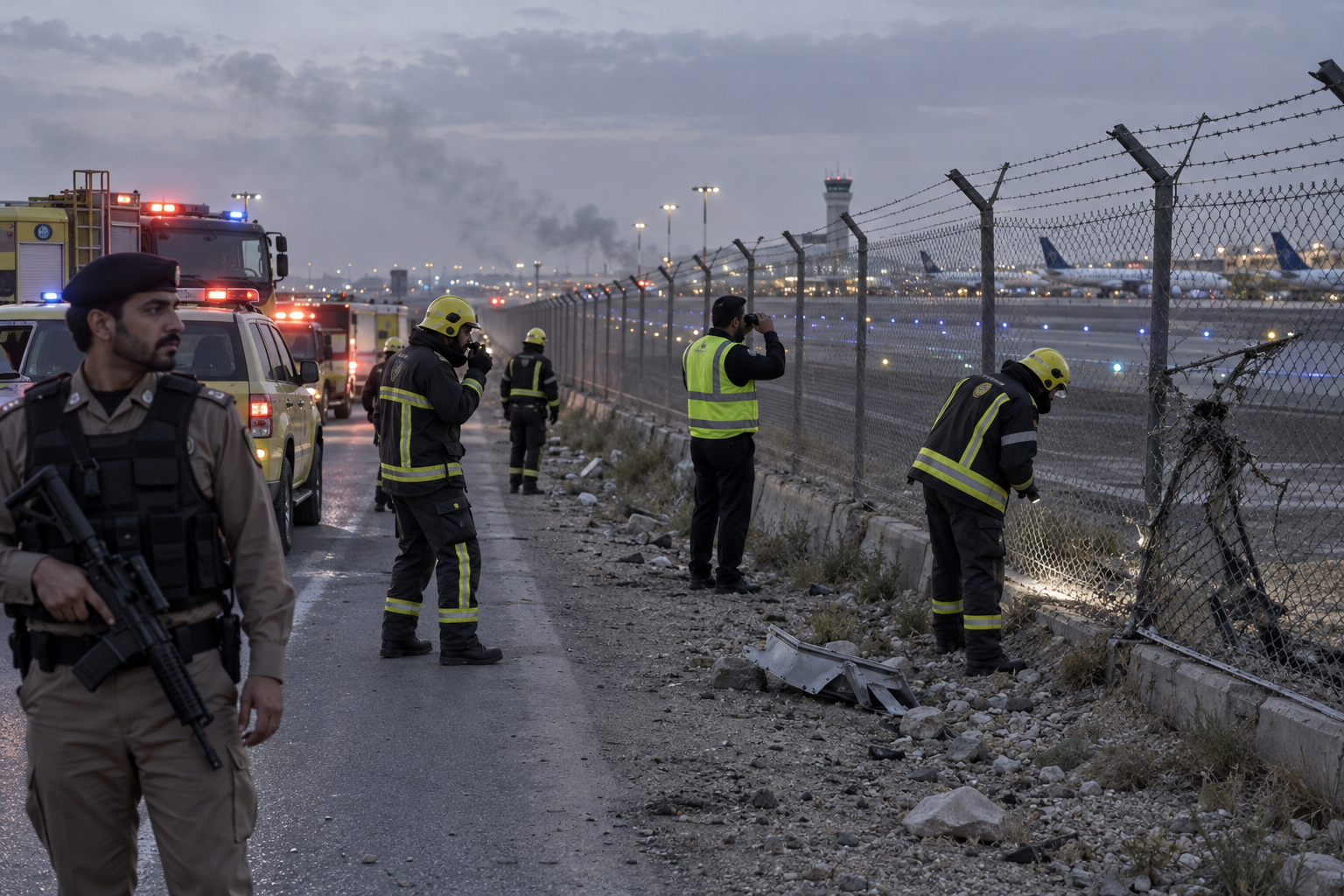
The warning follows a series of Houthi missile and drone attacks on Saudi Arabia. Saudi-led coalition spokesperson Turki al-Maliki said attacks on King Khalid International Airport in Riyadh from Oct. 7 through 11 killed 17 people and injured 333. He reported that the airport had been attacked 20 times since Oct. 1, and that one attack involved 10 drones, missiles and other projectiles. Reports also described missiles traveling more than 620 miles to Riyadh, the interception of two additional ballistic missiles, and a strike that damaged Aramco’s headquarters in Dhahran and started a fire.
Lenderking argues that the Houthis’ ability to strike targets with greater precision has transformed them from a regional insurgency into an international concern. Their control of Yemen’s western coast and their reach toward the northern Red Sea also threaten shipping and critical infrastructure. The attacks have raised questions about Saudi air defenses and whether the United States could be drawn into a wider regional conflict. Asked whether Washington would defend Saudi Arabia against further attacks, President Donald Trump replied, “You'll find out soon.” The article’s supplied text ends during its account of the Dhahran strike.
Entities: Tim Lenderking, Turki al-Maliki, Donald Trump, Houthis, Iran • Tone: urgent • Sentiment: negative • Intent: warn
16-10-2026
The National’s Beyond the Headlines episode examines Saudi Arabia’s response options as Houthi attacks intensify, while fighting also worsens in Yemen. The article describes a week of violence and hardship: Saudi Arabia has faced deadly attacks, while hundreds of thousands of people in Taiz are largely cut off from food and fuel. Fighting between the Houthis and Yemeni government forces continues to escalate.
The latest attacks on Saudi targets have tested Riyadh’s patience. A missile strike on Riyadh’s international airport over the weekend killed at least 13 people and injured hundreds. The Houthis have since continued targeting airports and oil facilities across the kingdom, including the headquarters of Saudi Aramco. The episode’s host, Nada AlTaher, considers the security options available to Saudi Arabia and the political calculations behind them. Its central question is how the kingdom might respond to the escalation while avoiding being drawn into a wider war.
To discuss those issues, AlTaher speaks with Nawaf Obaid, a senior research fellow in the Department of War Studies at King’s College London, and Mahdi Ghuloom, a geopolitics researcher at the Observer Research Foundation Middle East. The article presents the episode as an analysis of the security and diplomatic choices facing Saudi Arabia amid attacks on civilian and energy infrastructure and continuing conflict in Yemen.
Entities: Saudi Arabia, Houthis, Yemen, Riyadh, Taiz • Tone: analytical • Sentiment: negative • Intent: analyze
16-10-2026
The UN Security Council condemned what it called “continued and escalatory” Houthi attacks on Saudi Arabia and threats to commercial shipping in the Red Sea and Bab el-Mandeb Strait. In a joint statement issued on Oct 15, the 15-member council specifically denounced strikes on Riyadh’s international airport, which the article says had been targeted 20 times since early October. One attack the previous weekend killed 13 people and wounded more than 300. The council also affirmed Saudi Arabia’s inherent right to self-defence under international law.
The statement was shared by the council’s president, Greece’s Evangelos Sekeris. Separately, the Saudi-led coalition said it intercepted a missile near Medina on Oct 15. The Houthis denied responsibility for that attack and have said they would spare Islam’s holy sites.
The article also reports a Houthi missile strike on the presidential palace compound in Aden, Yemen’s interim government capital. The strike hit command centres used by Yemeni government forces and the Saudi-led coalition supporting them. Yemen’s health minister, Qasim Buhaibeh, said five people were killed and 16 injured, including site guards and civilian employees.
The attacks come amid renewed fighting in Yemen. The country’s civil war, in which Saudi Arabia has led a military coalition supporting the government since 2015, flared again in September after a years-long truce collapsed. The article describes the Security Council’s condemnation and the recent attacks, while noting the Houthis’ denial of responsibility for the missile intercepted near Medina.
Entities: United Nations Security Council, Houthi rebels, Saudi Arabia, Riyadh international airport, Red Sea • Tone: neutral • Sentiment: negative • Intent: inform