14-10-2026
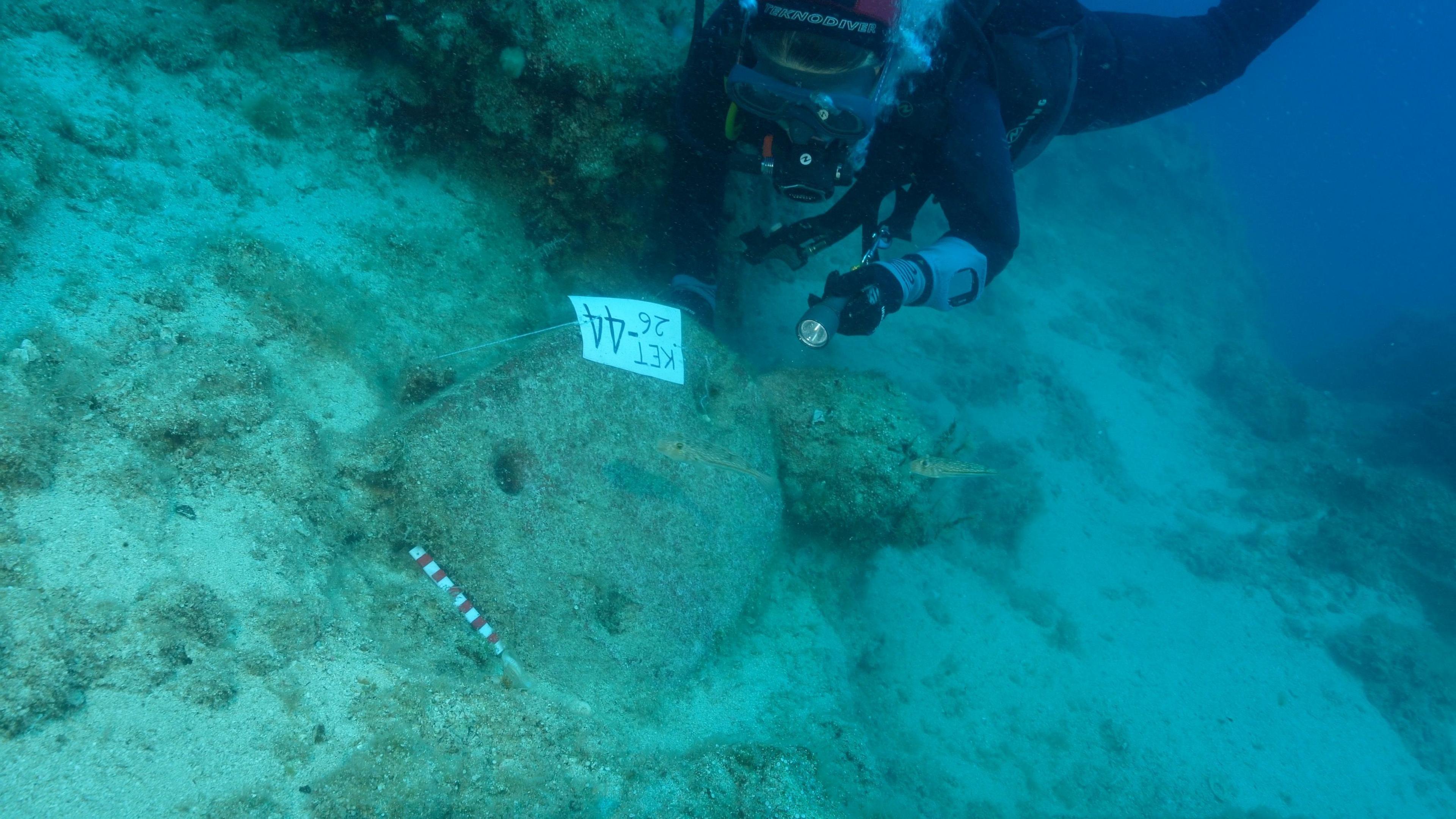
Archaeologists say they have discovered the world’s oldest shipwreck off Kekova Island, near Antalya on Turkey’s Mediterranean coast. The wreck is estimated to be 4,400 to 4,700 years old, placing it in the Early Bronze Age and roughly contemporary with the construction of the Great Pyramid. Although the ship’s wooden structure has not survived, divers found more than 30 ceramic storage pots, known as amphorae, and three stone anchors scattered on an underwater slope about 30 metres below the surface.
Because no wood remained for radiocarbon dating, researchers estimated the wreck’s age by comparing the amphorae’s distinctive shape and decoration with pottery from Egypt and the Middle East whose dates are known. The expedition’s leader, Prof Hakan Öniz of Akdeniz University, said the comparison places the vessel firmly in the Early Bronze Age. The ship was thought to have been about 10 metres long and to have carried trade goods across the Mediterranean.
Some recovered pots still contain a glossy, viscous residue. Archaeologist Dr Karin Sowada of Macquarie University examined the material, which could be olive oil, wine or tree resin; the jars may also have been reused. Researchers are investigating what the residue is and what the vessel carried. The team believes the ship began its journey somewhere on the eastern Mediterranean coast and may have been heading to Troy or to the Minoan people in Crete.
The discovery also offers evidence about ancient trade and the hazards of sea travel around Kekova, where strong currents and winds have caused many wrecks. The Turkish Ministry of Culture owns the wreck, and recovered artefacts are expected to go on display at a new underwater archaeology museum in Antalya. The find surpasses a wreck near Greece’s Dokos Island, previously considered the oldest, at about 4,200 years old. The oldest known intact shipwreck, with preserved wood, is a roughly 2,400-year-old vessel found in the Black Sea off Bulgaria.
Entities: Kekova Island, Antalya, Turkey, Early Bronze Age, Mediterranean Sea trade, Hakan Öniz • Tone: analytical • Sentiment: neutral • Intent: inform
14-10-2026
Archaeologists have discovered what they describe as the world’s oldest shipwreck off Turkey’s coast. The vessel is estimated to be 4,400 to 4,700 years old, dating to the era when the Pyramids of Giza were being built. Although the wooden structure has not survived, about 30 ceramic storage jars, known as amphorae, and three stone anchors were recovered in remarkably good condition. Some jars still contain visible residue from their original cargo.
The expedition was overseen by Hakan Öniz, an associate professor at Turkey’s Akdeniz University. His team first found the wreck four years ago but initially thought its pottery looked much more recent. They returned after recognizing similar amphora designs in research on Egyptian archaeology, including finds associated with Giza. The jars’ form—two handles, a flat base and a ridge around the middle—helped identify their age.
Archaeologist Karin Sowada of Australia’s Macquarie University examined the jars after they were brought to the surface and was struck by the quantity of glossy residue inside some of them. Analysis of the clay suggests the jars were made in workshops in the Jordan Valley. Öniz believes the ship may have been carrying olive oil or wine westward, perhaps toward Troy or Crete and the Minoan civilization. Similar jars have been found in Egypt, Troy and Crete.
Researchers say the wreck could shed light on ancient trade routes, seafaring and everyday life. Öniz reflected on the sailors and others connected to the voyage, including the people who made and carried the jars and families waiting for the crew. The discovery surpasses the previous oldest known shipwreck, found in the Aegean Sea near Greece and dated to about 4,200 years ago.
Entities: Hakan Öniz, Karin Sowada, Mehmet Nuri Ersoy, Akdeniz University, Macquarie University • Tone: analytical • Sentiment: positive • Intent: inform
14-10-2026
Underwater excavations off Kekova Island near Antalya, Turkey, have uncovered amphorae believed to come from an Early Bronze Age shipwreck dating to approximately 4,400–4,700 years ago. The discovery is expected to provide new evidence about Anatolia’s maritime history and trade connections across the eastern Mediterranean. Turkey’s Culture and Tourism Minister, Mehmet Nuri Ersoy, described the finds as traces of what may be the world’s oldest shipwreck and said efforts would continue to study and protect underwater cultural heritage. Associate Professor Hakan Öniz is leading the scientific excavations.
Analyses suggest that the clay vessels were probably made in workshops in the Jordan Valley and may have been used to transport olive oil or wine. Similar vessels found in Egypt, Troy and Crete point to trade and cultural connections among distant regions. Researchers think the ship may have departed from a Levantine port and been bound for Troy or Crete. The wreck was identified during earlier underwater surveys by Akdeniz University, and excavations began in 2026 under the Antalya Museum Directorate, with ministry permits.
One amphora is notable for two holes and nine distinct marks. Researchers’ initial examinations suggest it may have been used for churning cheese or butter. If so, it raises the possibility that sailors took goats aboard and made dairy products during long voyages. The finds may therefore illuminate not only the movement of goods but also sailors’ daily routines and food practices.
Entities: Kekova Island, Antalya, Turkey, Mehmet Nuri Ersoy, Hakan Öniz • Tone: analytical • Sentiment: positive • Intent: inform