13-09-2026
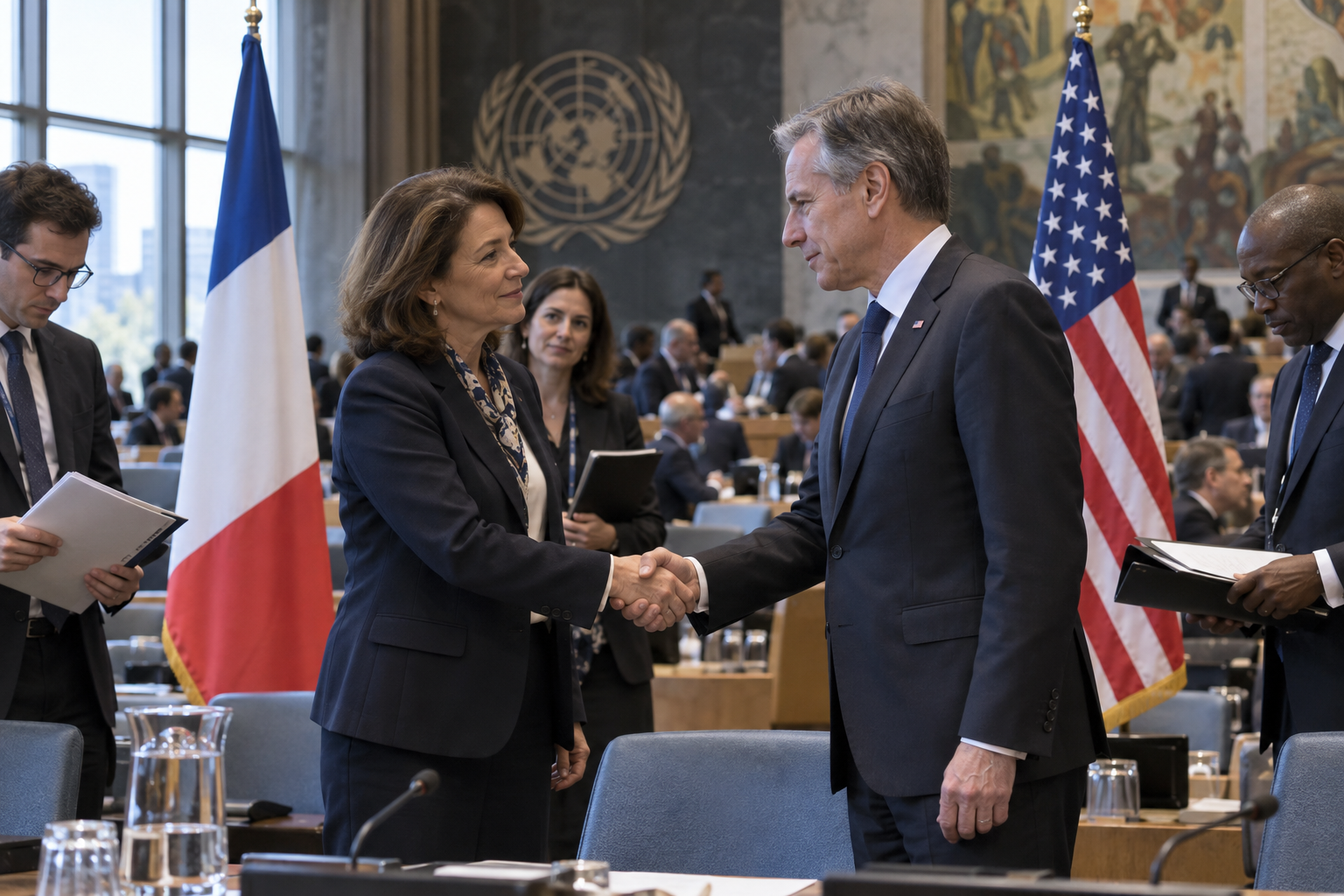
France has apologised to the United States over an online post by its permanent mission to the United Nations that criticised Washington’s opposition to extending Volker Turk’s term as UN human rights chief. The dispute had delayed US approval of Aurélien Lechevallier, French President Emmanuel Macron’s choice to become France’s next ambassador to Washington.
In a statement published Friday, the French UN mission said that France and the United States had taken different positions on a single UN General Assembly vote, but insisted that the disagreement did not represent a broader conflict over human rights. France stressed that occasional public differences should not undermine the two countries’ historic alliance or their cooperation on peace, stability and prosperity, including through multilateral institutions.
The statement was welcomed by Washington. A US State Department official told AFP that the United States appreciated France’s clarification and looked forward to working with it on shared values and interests. The response is expected to clear the way for Lechevallier’s appointment, which had remained unresolved despite such approvals normally being a formality.
The dispute began after the United States joined nine other countries, including North Korea, Russia and Nicaragua, in voting against renewing Turk’s mandate on July 24. Following the vote, the French mission posted on X that the United States was no longer a “beacon of human rights,” a criticism that Washington strongly opposed. Days later, the US representative walked out of a UN Security Council meeting when France’s ambassador began speaking, in protest against the French comments.
Lechevallier, currently the chief of staff to French Foreign Minister Jean-Noël Barrot, is due to replace Laurent Bili as ambassador to the United States. The apology signals an effort by both sides to contain the dispute and preserve broader diplomatic cooperation.
Entities: France, United States, Aurélien Lechevallier, Emmanuel Macron, Jean-Noël Barrot • Tone: analytical • Sentiment: neutral • Intent: inform
13-09-2026
France’s permanent mission to the United Nations has apologised for a social media post that criticised the United States’ commitment to human rights. The post followed a disagreement between France and the US over how Washington voted during a UN General Assembly meeting. In its statement, issued on Friday, the French mission sought to limit the dispute, stressing that the disagreement involved a single vote rather than a broader difference over human-rights principles. France also emphasised that the episode did not undermine its close relationship with Washington or its ability to cooperate with the US on international issues.
The mission said that public differences over one vote would not prevent continued dialogue or challenge the two countries’ historical alliance. It specifically cited cooperation on peace, stability and prosperity, including through multilateral institutions such as the United Nations. The statement was welcomed by the US government, which had reportedly delayed approval of France’s next ambassador to the United States because of the dispute.
A US State Department official, speaking anonymously, said Washington noted and appreciated France’s statement and looked forward to working with Paris on shared values and interests. The exchange suggests that both governments are attempting to contain the disagreement and restore normal diplomatic relations. Although the article does not identify the UN vote or explain the precise issue that triggered the original French criticism, it portrays the apology as a step toward resolving a relatively limited diplomatic dispute between two longstanding allies.
Entities: France, United States, French permanent mission to the United Nations, United Nations, UN General Assembly • Tone: neutral • Sentiment: neutral • Intent: inform
13-09-2026
France has apologised to the United States over a public statement by its permanent mission to the United Nations that criticised Washington’s vote against extending Volker Turk’s term as UN human rights chief. In an online post, the French mission had written that the US was no longer a “beacon of human rights,” prompting a sharp reaction from Washington.
The French mission published its apology on Sept 11, clarifying that the disagreement concerned a single UN General Assembly vote and did not reflect France’s broader assessment of the United States’ commitment to human rights. France stressed that the dispute did not undermine the two countries’ historic alliance, their ability to maintain close dialogue, or their cooperation on peace, stability and prosperity in multilateral forums.
Washington welcomed the clarification. A US State Department official said the department appreciated France’s statement and looked forward to working with Paris on shared values and interests. The dispute had affected the approval of Aurelien Lechevallier, French President Emmanuel Macron’s nominee to become France’s next ambassador to Washington. Although US approval of such an appointment is normally routine, Lechevallier’s nomination had remained unresolved. He is currently chief of staff to French Foreign Minister Jean-Noel Barrot and is expected to replace Laurent Bili.
The dispute began on July 24, when the US joined nine other countries—including North Korea, Russia and Nicaragua—in voting against extending Turk’s term. Turk has repeatedly questioned US policies under President Donald Trump. Days after France’s criticism, the US representative walked out of a UN Security Council meeting when France’s ambassador began speaking, further escalating the diplomatic spat. The apology appears to have eased tensions, though it followed an unusually public disagreement between two longstanding allies.
Entities: France, United States, United Nations, French permanent mission to the UN, US State Department • Tone: analytical • Sentiment: neutral • Intent: inform