11-05-2026
British Army medics parachuted onto Tristan da Cunha, one of the world’s most remote inhabited islands, to provide urgent support to a British man suspected of having hantavirus after he disembarked from the virus-hit cruise ship MV Hondius. The operation involved six paratroopers and two medical clinicians from 16 Air Assault Brigade, with oxygen and 3.3 tonnes of medical supplies delivered by RAF aircraft because the island has no airstrip and the man was running low on oxygen. The man, who lives on Tristan da Cunha, developed symptoms after leaving the ship in mid-April and is currently in a stable condition and isolating. The article explains that six hantavirus cases have been confirmed overall, including two other Britons being treated in the Netherlands and South Africa, and that three people have died in the outbreak. It also notes that the risk to the general public remains very low, while other British passengers from the ship are being monitored or quarantined as they return home. The story emphasizes the logistical difficulty of the mission, the extraordinary nature of parachuting medical personnel into a remote overseas territory, and the UK government’s commitment to supporting British nationals and overseas territories in a medical emergency.
Entities: Tristan da Cunha, MV Hondius, hantavirus, British Army, 16 Air Assault Brigade • Tone: analytical • Sentiment: neutral • Intent: inform
11-05-2026
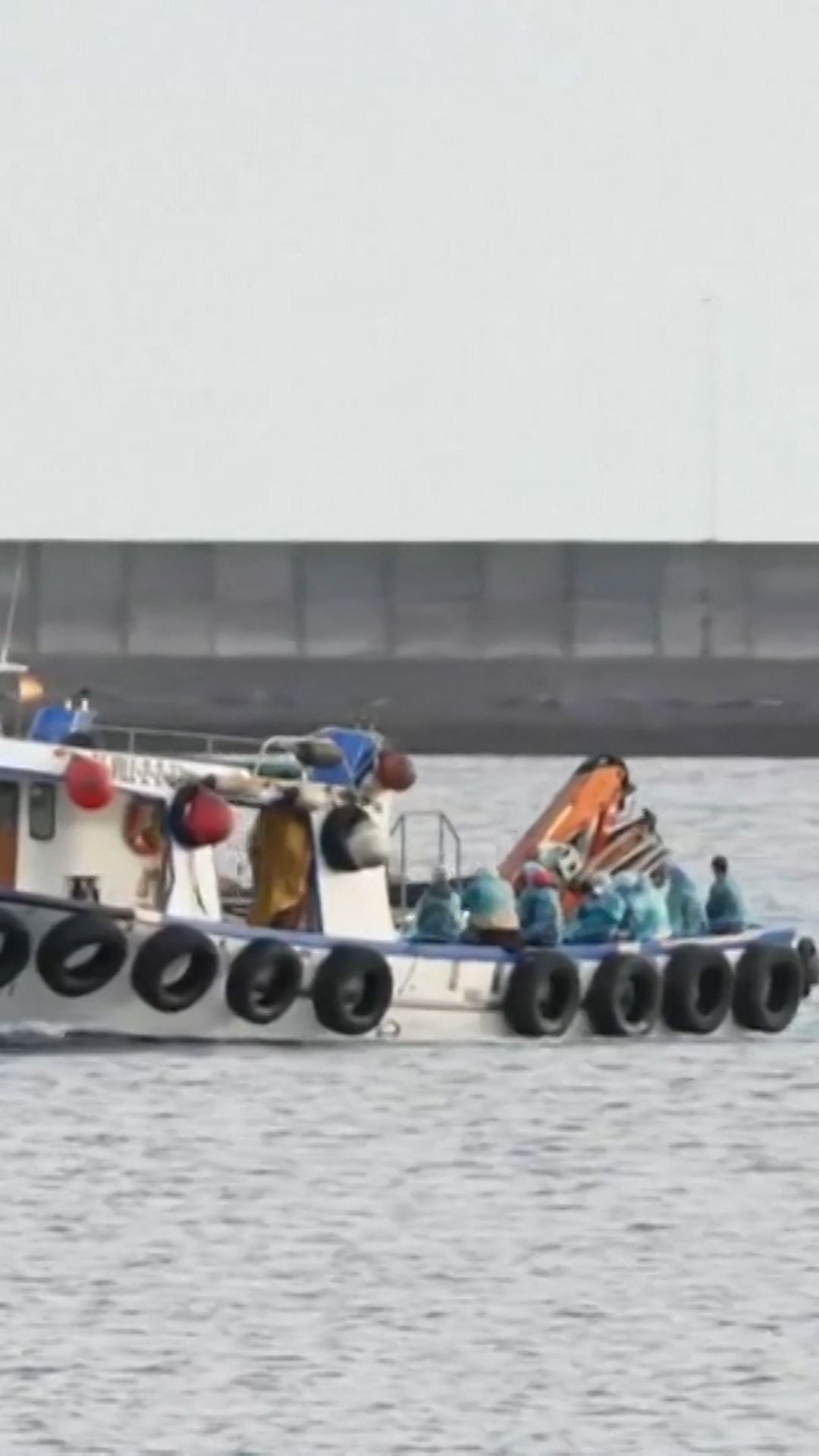
A French passenger on board the cruise ship MV Hondius developed hantavirus symptoms while being repatriated from Tenerife to Paris, prompting immediate isolation measures for all five French evacuees. The article describes a multinational response to the outbreak, with more than 90 passengers and crew being flown home from the ship after it anchored off the Canary Islands. Some passengers, including Britons, Americans, Spaniards, Dutch nationals, and others, were routed to different countries under quarantine or monitoring protocols, while one American showed mild symptoms and another tested mildly positive for the Andes strain. The outbreak has already been linked to several deaths, including a Dutch woman who died after leaving the ship in St Helena and two confirmed cases among those who died on board or shortly after disembarkation.
Spanish authorities, the WHO, and health agencies from several countries coordinated the repatriation and isolation effort, with medical teams boarding the vessel and PPE-clad officials meeting evacuees on land and at airports. The article also notes criticism and concern from the Canary Islands’ regional president about the risk of spreading the virus to Tenerife. Experts quoted in the story emphasize that there are lessons to be learned about managing viral outbreaks on ships, especially after the failure to keep potentially infectious passengers contained before they dispersed. The piece places the incident in the context of broader preparedness concerns, comparing the need for better outbreak response to lessons from Covid-19 and stressing that more work and funding are needed to strengthen global surveillance and response capacity.
Entities: MV Hondius, hantavirus, Andes strain, Sébastien Lecornu, Tenerife • Tone: analytical • Sentiment: neutral • Intent: inform
11-05-2026
An American passenger evacuated from a cruise ship struck by a hantavirus outbreak tested “mildly” PCR positive for the Andes virus during a repatriation flight, according to the U.S. Department of Health and Human Services. Another American on the same flight reportedly began showing symptoms, and French officials said a French passenger also became symptomatic during a separate evacuation flight. All affected passengers were isolated and routed into high-containment medical monitoring upon arrival. The outbreak centers on the MV Hondius, a cruise ship that docked in Spain’s Canary Islands after multiple suspected and confirmed hantavirus cases, including at least three deaths. Passengers were disembarked by nationality under strict protective protocols, with U.S. citizens flown to Nebraska’s biocontainment unit, French and British passengers sent through their own national systems, and Spanish passengers transported to a military hospital in Madrid.
The article emphasizes that health authorities consider the general public risk low, despite the seriousness of the outbreak and the rare ability of the Andes strain to spread person to person. The CDC and HHS dispatched specialists to assess exposure risks and guide monitoring. Officials in the U.S., Spain, France, and the U.K. coordinated quarantine and repatriation plans, with crews, workers, and passengers using masks, hazmat gear, respirators, and other protective measures. The ship’s operator said the vessel would continue to Rotterdam with a skeleton crew and later be disinfected, while the deceased passenger’s body would remain on board. The story frames the response as a complex international public health operation aimed at containing a dangerous but reportedly low-risk-to-the-public outbreak.
Entities: MV Hondius, hantavirus, Andes virus, Department of Health and Human Services (HHS), Centers for Disease Control and Prevention (CDC) • Tone: analytical • Sentiment: neutral • Intent: inform
11-05-2026
World Health Organization Director-General Dr. Tedros Adhanom Ghebreyesus traveled to Tenerife in the Canary Islands to oversee the evacuation of passengers from the Dutch-flagged cruise ship MV Hondius after an outbreak of hantavirus, a rare and potentially deadly disease. Tedros sought to reassure local residents that the public health risk remains low and that the situation is not comparable to COVID-19, acknowledging that memories of the 2020 pandemic make people understandably anxious.
The article explains that eight people aboard the ship had confirmed or suspected hantavirus infections and three had died. Although 147 people, including 60 crew members, remained on board without symptoms, authorities were preparing a coordinated evacuation plan involving multiple countries. Tedros estimated six evacuation flights to EU destinations and four to non-EU countries. Seventeen Americans were among those on the ship and were to be transferred by small boat and then flown under U.S. government and CDC supervision to the National Quarantine Center in Omaha, Nebraska.
Health officials said passengers from the ship should remain in isolation for 42 days from the last exposure. The article notes that hantavirus is usually spread through contact with rodents and is not generally spread person to person, though the strain detected on the Hondius was the Andes strain, which can be transmitted through close contact with a sick individual. Investigators believe the outbreak may have begun with a Dutch couple who traveled in South America before boarding the cruise. The piece emphasizes that public health experts consider the risk of widespread transmission small, while detailing international coordination for monitoring exposed passengers around the world.
Entities: Tedros Adhanom Ghebreyesus, World Health Organization (WHO), Canary Islands, Tenerife, MV Hondius • Tone: analytical • Sentiment: neutral • Intent: inform
11-05-2026
CNN reports that at least 17 American passengers who were bound for the United States disembarked from a cruise ship linked to a hantavirus outbreak and were flown home using specialized aircraft equipped with a biocontainment unit. The evacuees are being taken to a quarantine facility in Omaha, Nebraska, where health officials will screen them and decide what happens next. The report frames the evacuation as a precautionary public-health response to a potentially serious infectious-disease situation aboard the ship. The article is presented in a video-news format with a brief narrative update from CNN correspondent Melissa Bell, emphasizing the logistics of the evacuation and the role of U.S. health authorities in monitoring the passengers after arrival. Because the outbreak center is a cruise ship and the passengers were removed under controlled medical conditions, the story underscores concern about contagion and containment rather than confirmed severe illness among the evacuees. The broader page also contains links to other CNN videos, but the main news item focuses exclusively on the evacuation and quarantine process for the Americans leaving the affected vessel.
Entities: hantavirus, cruise ship, Americans, US-bound passengers, specialized aircraft • Tone: urgent • Sentiment: negative • Intent: inform
11-05-2026
Passengers on a cruise ship linked to a hantavirus outbreak disembarked in a carefully managed operation in Tenerife, in Spain’s Canary Islands. The video report shows the evacuation process as health authorities responded to the outbreak and arranged transport for at least 17 U.S.-bound passengers. Those passengers were flown on specialized aircraft equipped with a biocontainment unit and taken to a quarantine facility in Omaha, Nebraska, where officials will screen them and determine next steps.
The article centers on the public health response rather than the broader origin of the outbreak. It emphasizes the controlled, precautionary nature of the disembarkation, the role of specialized transport, and the involvement of U.S. health officials in monitoring potentially exposed travelers. The report also situates the event within CNN’s wider news video stream, where it appears alongside unrelated stories, but the main focus remains the cruise ship response and the movement of passengers under quarantine precautions.
Overall, the piece conveys an urgent but factual snapshot of a developing health situation, highlighting how authorities are managing exposed passengers to reduce risk of further spread.
Entities: Hantavirus outbreak, cruise ship, Tenerife, Canary Islands, 17 US-bound passengers • Tone: urgent • Sentiment: negative • Intent: inform
11-05-2026
A French evacuee from the cruise ship MV Hondius, which has been linked to a deadly hantavirus outbreak, tested positive for the virus, according to France’s health minister. Four other French passengers who were evacuated from the ship initially tested negative, but health authorities said they will be tested again. The case marks France’s first confirmed hantavirus infection in this outbreak, and authorities have identified 22 contact cases in the country.
The outbreak has triggered a multinational evacuation effort from Tenerife, where the ship was held offshore as passengers and crew were repatriated to several countries. The MV Hondius had departed Ushuaia, Argentina, in April and later came under scrutiny after cases emerged among passengers, including three deaths and infections in multiple countries. Health officials say the Andes virus, the hantavirus strain transmissible between humans, has been confirmed among some of those infected.
Despite the seriousness of the outbreak, public health authorities including the WHO have stressed that the overall risk to the public remains low, while also recommending quarantine and active monitoring of exposed passengers. Different countries have adopted different approaches to quarantine, ranging from hospital isolation to allowing some evacuees to return home under supervision. The article also notes some disagreement over where the outbreak may have originated, with Argentine officials disputing claims that infection began in Ushuaia. The situation remains under international monitoring as repatriation and contact tracing continue.
Entities: Stéphanie Rist, MV Hondius, hantavirus, Andes virus, France • Tone: analytical • Sentiment: negative • Intent: inform
11-05-2026
An American passenger returning to the United States from the MV Hondius cruise ship has tested positive for hantavirus, specifically Andes virus, according to the Department of Health and Human Services (HHS). A second U.S. passenger is also showing mild symptoms, though it is not yet confirmed whether that person has been tested. The two passengers are being transported in biocontainment units as part of a repatriation flight bringing all 17 U.S. passengers from the ship to the National Quarantine Unit at the University of Nebraska Medical Center in Omaha. The ship has been described as hantavirus-stricken after several passengers became ill and three died aboard the cruise liner. HHS said the initially positive passenger will be taken to the ASPR Regional Emerging Special Pathogen Treatment Center at Nebraska Medical Center/Nebraska Medicine, while the passenger with mild symptoms will be transferred to a second treatment center. Each passenger is expected to undergo a clinical assessment and receive appropriate care upon arrival. The World Health Organization has recommended a 42-day isolation period for passengers from the vessel. The article emphasizes that the situation is still developing and that further updates are expected.
Entities: HHS (Department of Health and Human Services), MV Hondius, hantavirus, Andes virus, University of Nebraska Medical Center • Tone: urgent • Sentiment: negative • Intent: inform
11-05-2026
This CBS News transcript features former FDA Commissioner Scott Gottlieb discussing a Hantavirus outbreak tied to a cruise ship and the public health response. Gottlieb says the risk of widespread transmission appears low based on what is known about the virus, though he cautions that some details remain uncertain and that the coming weeks will be critical in determining whether additional cases emerge among evacuated passengers. He strongly rejects claims that ivermectin is an effective treatment, warning against misinformation and stockpiling the drug. The interview then shifts to the FDA’s current state, with Gottlieb expressing concern about leadership uncertainty, staff departures, and political disruption inside the agency, arguing that the upheaval is damaging its ability to oversee drugs, food safety, and medical products. Finally, he addresses Health and Human Services Secretary Robert F. Kennedy Jr.’s comments about antidepressants, saying that while marginal prescribing may exist, these medications are important and often life-saving for many Americans.
Entities: Scott Gottlieb, Margaret Brennan, Dr. Marty Makary, Robert F. Kennedy Jr., FDA • Tone: analytical • Sentiment: neutral • Intent: inform