11-05-2026
The article reports that a confidential document obtained by The Economist suggests Russia has offered to assist Iran militarily by supplying unjammable drones and training on their use. According to the proposals described, these systems could be deployed against American troops in the Gulf and potentially elsewhere, implying a deepening of covert cooperation between Moscow and Tehran. The piece frames this as part of a broader context in which America’s war on Iran has been struggling, with Iranian drones already proving effective on the battlefield. The reported Russian offer would therefore not only strengthen Iran’s military capabilities but also raise the stakes for U.S. forces operating in the region.
The article’s focus is on the strategic and geopolitical implications of the alleged plan rather than on battlefield details. By emphasizing that the document is confidential and obtained from a trusted source, it underscores the clandestine nature of the proposed assistance. The story suggests that Russia may be pursuing deniability while still materially supporting Iran in a conflict involving the United States. Overall, it presents the development as a significant escalation with consequences for American military operations in the Gulf and possibly beyond, and as another sign of the widening international dimensions of the conflict.
Entities: Russia, Iran, United States, American troops, the Gulf • Tone: analytical • Sentiment: negative • Intent: inform
11-05-2026
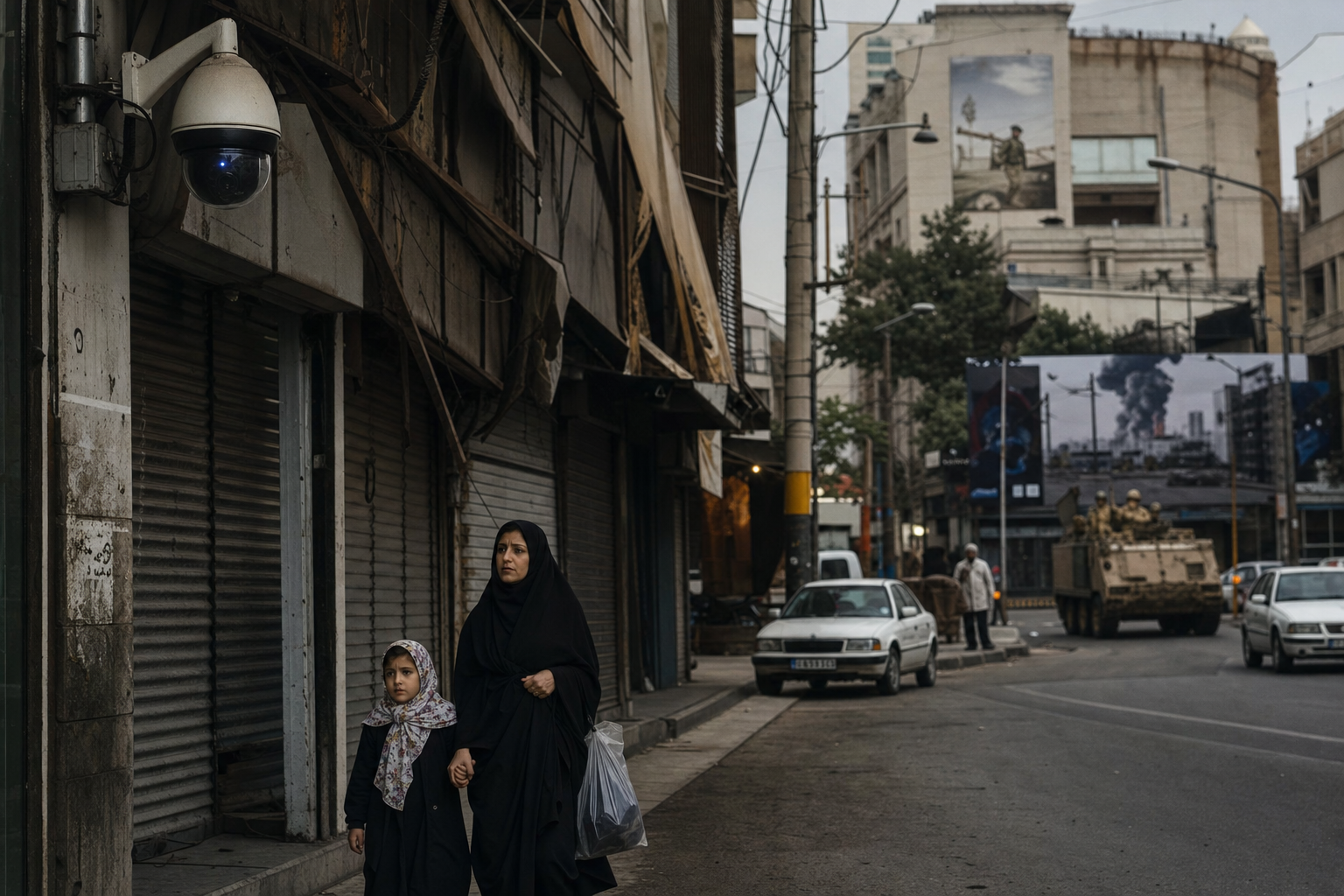
The article profiles Shirin, an Iranian activist living under heavy state repression, who describes the psychological and physical toll of repeated intimidation, arrest, and the threat of renewed war. Speaking anonymously to the BBC from Tehran, she says the fear of surveillance, detention, and military escalation has left her in a near-constant state of anxiety and symptoms resembling post-traumatic stress disorder, including numbness in her left hand. Her story is presented as part of a wider picture of intensified repression in Iran following anti-government protests and during the conflict involving Israeli and US strikes on Iranian targets.
The article explains that Shirin was previously arrested by secret police in 2024 during the aftermath of the "Woman, Life, Freedom" movement that erupted after Mahsa Amini’s death in custody. She was interrogated and released only after signing a pledge of silence. Human rights groups, including Human Rights Watch, say detainees in Iran face serious abuse, while activists estimate that tens of thousands have been arrested since the latest anti-regime protests in January. The repression has reportedly intensified since the war began, with allegations of torture and harsh rhetoric from Iranian officials.
Beyond political repression, the article highlights the conflict’s impact on ordinary Iranians and the country’s mental health crisis. Shirin says she supported the killing of regime military personnel, but felt devastated when civilians were killed in strikes, especially after a newly built building was hit and a child lost his mother. Health workers and humanitarian groups describe severe strain on Iran’s under-resourced medical and psychological care system, with rising distress among civilians and limited access to professionals. The article concludes that even if the fighting ends, activists fear the state will further tighten control, while many, like Shirin, remain resigned to enduring hardship in order to keep Iran intact.
Entities: Shirin, Tehran, Iran, BBC, Human Rights Watch • Tone: analytical • Sentiment: negative • Intent: inform
11-05-2026
This transcript captures a wide-ranging interview with Senator Mark Kelly on CBS’s Face the Nation, centered on U.S. foreign policy, defense spending, munitions depletion, Iran, Russia, Ukraine, and Kelly’s own legal fight with Defense Secretary Pete Hegseth. Kelly argues that the Iran war has depleted key U.S. missile and interceptor inventories, making the country less prepared for a prolonged conflict, including a possible future contingency involving China and Taiwan. He criticizes the administration for entering conflict without a strategic plan and says replenishing critical munitions will take years.
Kelly is sharply critical of the Trump administration’s proposed $1.5 trillion defense budget, calling it excessive and warning that expensive initiatives like the Golden Dome missile defense concept may prove technically ineffective and wasteful. He also discusses sanctions on Chinese entities tied to Iran’s military targeting, arguing that China and Russia are aligned with U.S. adversaries and that sanctions are an important but underused tool, especially against Russia.
On Ukraine, Kelly says he views Vladimir Putin’s suggestion that the war may be nearing an end as positive in principle, but blames President Trump for failing to apply sufficient pressure on Russia or provide enough support to Ukraine. The interview concludes with Kelly discussing his lawsuit against Secretary Hegseth, insisting that his video message to service members was limited to resisting illegal orders, not all orders, and framing the case as a First Amendment issue rather than a personal dispute.
Entities: Mark Kelly, Margaret Brennan, CBS News, Face the Nation, Arizona • Tone: analytical • Sentiment: neutral • Intent: inform