11-05-2026
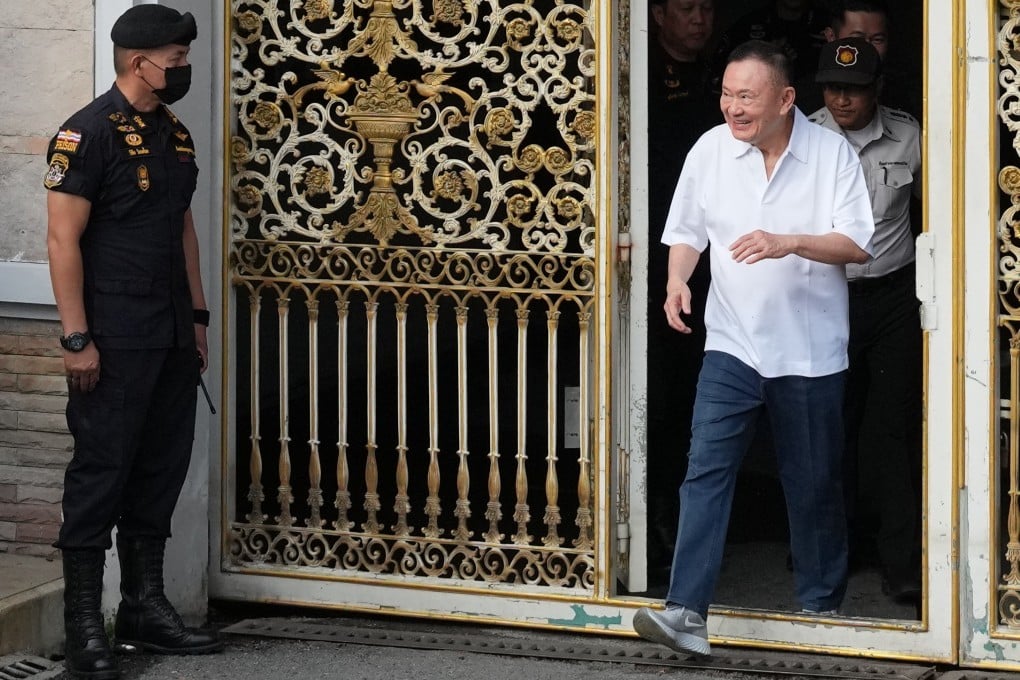
Thaksin Shinawatra’s release from Bangkok’s Klong Prem jail marks a major moment in Thai politics, but the BBC article argues that it may also signal the end of his long-dominant era. Thaksin, Thailand’s former prime minister and one of its most polarizing political figures, spent years in exile before returning in 2023 under what appeared to be a fragile accommodation with conservative and royalist elites. He was later jailed after the Supreme Court ruled that time spent in a police hospital did not count toward his sentence, and his daughter Paetongtarn was removed as prime minister in a separate court decision. The article describes how his party, Pheu Thai, has since suffered its worst electoral result in years and has been reduced to a junior coalition partner while rivals such as the reformist People's Party and conservative Bhumjaithai have gained ground. Although Thaksin remains popular among many supporters, who greeted his release with enthusiasm and hope, analysts say the political environment has changed sharply. The piece emphasizes that the old compromise between Thaksin and his conservative opponents appears to have collapsed, making his return to frontline politics unlikely and suggesting that the broader “Thaksin era” is nearing its end.
Entities: Thaksin Shinawatra, Paetongtarn Shinawatra, Pheu Thai, Bangkok, Klong Prem jail • Tone: analytical • Sentiment: negative • Intent: analyze
11-05-2026
Thaksin Shinawatra, Thailand’s former prime minister and one of the country’s most enduring political figures, was released from prison on parole after serving time for past corruption and abuse-of-power convictions. His release comes after years in which he remained a major force in Thai politics, including periods of exile, the political rise of his family, and repeated clashes with the royalist-military establishment. The article recounts Thaksin’s political arc: his election in 2001 on a populist platform, his ouster in a 2006 coup, the continued influence of Thaksin-linked parties during his exile, and his dramatic return to Thailand in 2023. It also describes the rise and fall of his daughter, Paetongtarn Shinawatra, who briefly served as prime minister before being dismissed. Thaksin was initially sentenced to eight years in prison but was transferred to a hospital VIP suite and later granted a royal pardon, effectively avoiding prison time until his most recent sentence. Now released again, he must wear an electronic monitoring device and is expected by many analysts to keep a low profile. Still, questions remain about whether he can truly step away from politics, given persistent suspicion from critics and the continued power of the old establishment. The article frames his release as both a personal turning point and a reminder that Thaksin remains central to Thailand’s unresolved political struggles.
Entities: Thaksin Shinawatra, Paetongtarn Shinawatra, Yingluck Shinawatra, Pheu Thai Party, Klong Prem Central Prison • Tone: analytical • Sentiment: neutral • Intent: inform
11-05-2026
Thailand’s former prime minister Thaksin Shinawatra has been released on parole after serving eight months in prison for an abuse of power conviction, marking a notable return to public attention for one of the country’s most influential and polarizing political figures. The article emphasizes that, while Thaksin once sat at the center of Thai politics and dominated elections through the power of his populist appeal, the political landscape has changed significantly during his absence. He is described as emerging from prison physically altered and greeted warmly by family members, including his daughter Paetongtarn Shinawatra, as well as by red-shirt supporters who remain loyal to him. However, the broader political reality is far less favorable to his camp than in the past. His political vehicle, Pheu Thai, which once commanded strong national support, is now reduced to a minority coalition role in Prime Minister Anutin Charnvirakul’s government after finishing third in the February election, its worst result since being formed. The article places Thaksin’s release in the context of his long and consequential role in modern Thai politics, noting his landslide victories in 2001 and 2005 and the pro-poor policies that helped build his base. Overall, it portrays a once-dominant leader returning to a political environment where his family, party, and influence no longer hold the same leverage they once did.
Entities: Thaksin Shinawatra, Paetongtarn Shinawatra, Pintongtha Kunakornwong, Anutin Charnvirakul, Pheu Thai • Tone: analytical • Sentiment: neutral • Intent: inform