10-09-2026
UBS CEO Sergio Ermotti warned that financial markets have become unusually complacent despite a growing combination of geopolitical, economic and inflationary risks. In an interview with CNBC, he said markets had experienced less volatility than might be expected given the wars in Iran and Ukraine, energy and shipping disruptions, U.S.-China tensions, strained supply chains, high borrowing costs and persistent inflation. Strong investment in artificial intelligence, data centers and other emerging technologies has helped sustain economic growth and market performance, potentially masking these risks.
Ermotti said the uncertain environment makes it unwise for investors to hold overly strong convictions. UBS’s wealthy clients have responded by diversifying across sectors and regions while continuing to invest in artificial intelligence and technology. However, he emphasized that this diversification does not represent a broad retreat from U.S. assets or the dollar. Some funds moved into emerging markets, but UBS viewed this mainly as the deployment of excess cash rather than a deliberate reduction of U.S. or dollar exposure. He said the dollar remains a key reference currency.
Ermotti also expects interest rates to remain elevated for an extended period. Sticky inflation above central-bank targets is likely to encourage further tightening by the European Central Bank, the Federal Reserve and the Bank of Japan. He predicted that the ECB could begin raising rates, with the Federal Reserve following and delivering several hikes in the coming months. As a result, investors should not expect borrowing costs to return quickly to the exceptionally low levels seen before the latest inflationary pressures. Overall, the article presents Ermotti’s outlook as a warning against complacency and excessive portfolio concentration while acknowledging continued confidence in technology investment and the central role of U.S. markets and the dollar.
Entities: Sergio Ermotti, UBS, Christine Tan, European Central Bank (ECB), Federal Reserve • Tone: analytical • Sentiment: negative • Intent: analyze
10-09-2026
Brent crude rose above $100 a barrel after renewed attacks on shipping near the Strait of Hormuz, increasing concern about fuel costs, inflation and economic growth in Europe. The article uses Eurostat data to examine which European countries import the largest volumes of oil and which are most vulnerable to a price shock. The European Union imported 471.3 million tonnes of crude oil in 2024 but produced only 15.5 million tonnes domestically, leaving it 96.6% dependent on oil imports. The United States, Kazakhstan and Norway were the largest suppliers, while Libya, Saudi Arabia, Nigeria and Iraq also contributed significant volumes.
The Netherlands was the largest importer by volume, bringing in 138.3 million tonnes in 2024, followed by Germany, Spain, France, Italy and Belgium. However, the Dutch figures are inflated by Rotterdam’s role as a major refining and re-export hub. Germany is described as the more significant domestic importer because of its large industrial economy, transport network and refining sector. Germany, France, Italy and Spain together accounted for almost 58% of EU oil and petroleum-products consumption.
The article argues that import volumes alone do not measure exposure. Relative vulnerability is greater in smaller economies, including Malta, Bulgaria, Croatia, Hungary, Belgium, Luxembourg and Cyprus, whose net energy-import deficits represent a comparatively large share of GDP. Malta had the largest deficit at 5.4% of GDP. Southern European and tourism-dependent economies are particularly exposed because transport, aviation and tourism consume substantial amounts of oil. Spain, Portugal and Ireland rely almost entirely on imported oil, while Malta and Cyprus also have very high import dependency. Rising fuel prices could increase airline, accommodation, retail and supply-chain costs. Denmark is the least oil-import dependent European country, benefiting from domestic production, while the Netherlands’ low relative exposure reflects its re-export role.
Entities: Piero Cingari, Euronews, Eurostat, European Union, Strait of Hormuz • Tone: analytical • Sentiment: negative • Intent: analyze
10-09-2026
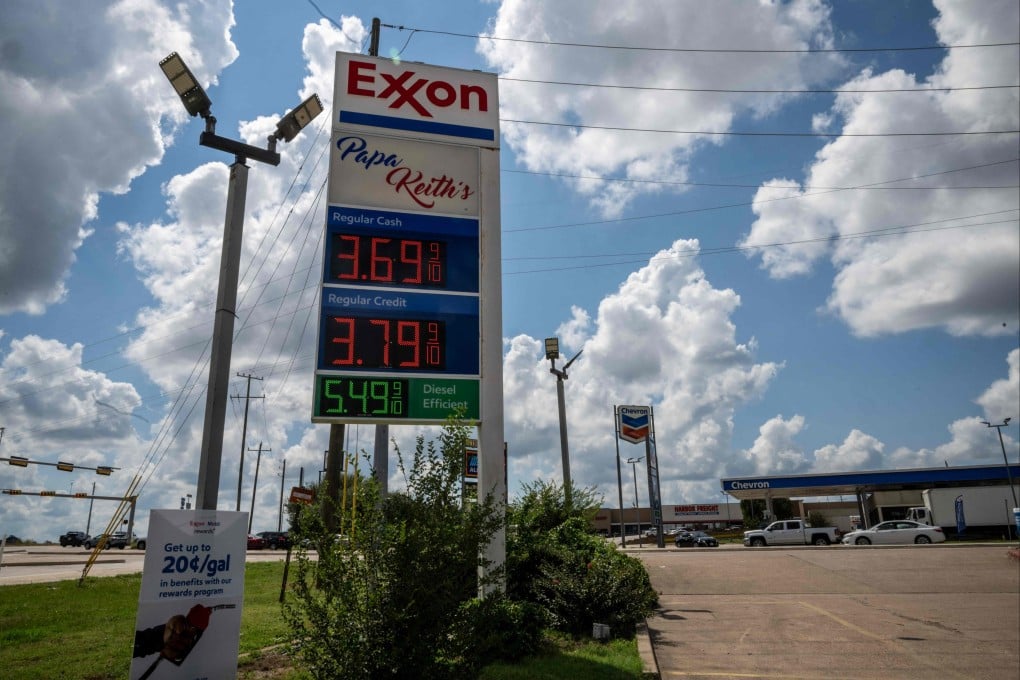
US wholesale inflation accelerated more than expected in August, according to government data, as energy costs rose sharply amid the continuing war between the United States and Iran. The Producer Price Index (PPI), which measures prices received by producers and is widely viewed as an indicator of future consumer inflation, increased 5.4 per cent from a year earlier. That was up from July’s 4.8 per cent increase and exceeded the 5.3 per cent rise forecast by economists in a MarketWatch consensus. On a monthly basis, the PPI rose 0.4 per cent, matching analyst expectations.
Energy prices were the main driver of the increase, climbing 4.2 per cent during the month. Diesel fuel costs surged 24.1 per cent, contributing to record-high average diesel prices in the United States. The increase in fuel costs is raising expenses for households and businesses, particularly through transportation and operating costs, and is adding pressure to the administration of President Donald Trump.
The inflation data arrived only weeks before key US midterm elections, making fuel prices a politically sensitive issue. Higher prices at petrol stations are likely to intensify concerns over household budgets and business costs while complicating the government’s economic messaging. The report suggests that geopolitical tensions and energy disruptions connected to the Iran conflict are feeding into domestic wholesale prices. Although the monthly increase was in line with forecasts, the stronger annual reading indicates that inflationary pressures remain elevated and may continue to affect the broader US economy.
Entities: United States, Iran war, Producer Price Index (PPI), US wholesale inflation, Energy costs • Tone: analytical • Sentiment: negative • Intent: inform