07-11-2026
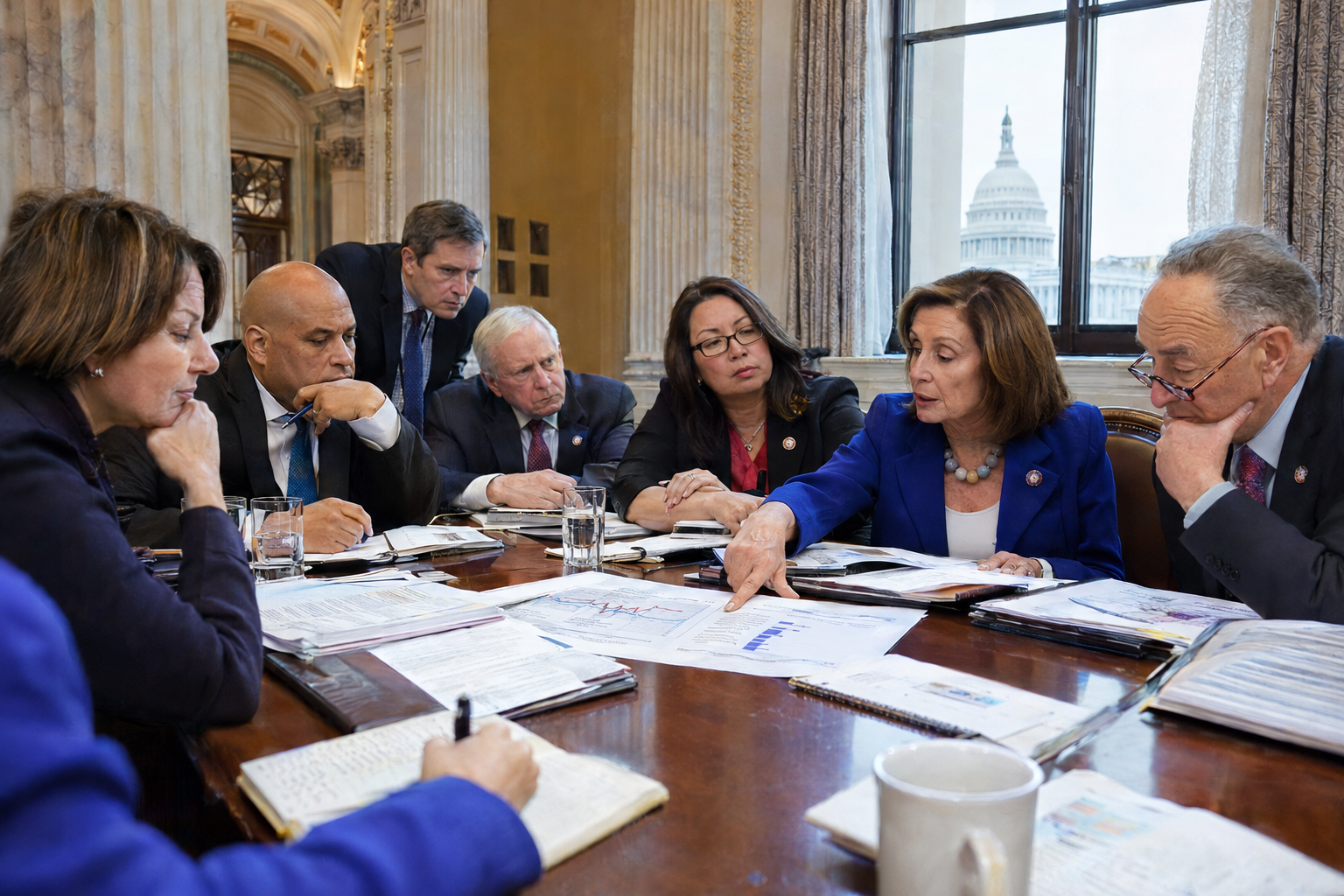
Following a decisive midterm victory that gave Democrats control of both chambers of Congress and several governorships, the party faces the challenge of turning electoral momentum into effective governing. President Donald Trump remains in office and retains veto power, but American University professor Patrick Malone argues that some Republicans may be willing to break with Trump, potentially allowing Congress to override vetoes despite lacking a two-thirds majority. Democrats may also pursue impeachment: beginning in January 2027, they will have the House majority needed to bring charges, but not the Senate supermajority required to convict and remove Trump. Some Democrats favor impeachment as a means of checking the president, while Senator Cory Booker cautions that focusing too heavily on Trump could distract from voters’ concerns. Malone expects congressional investigations into Trump, his family, and his administration, noting that such inquiries can shape public opinion even when they do not change legislation. Democrats may also pressure Trump over Defense Secretary Pete Hegseth, potentially using control over government spending to condition funding for administration priorities on his departure. The article emphasizes, however, that Democratic unity after the election is likely to be short-lived. Progressives, pragmatic liberals, and moderates differ on policy and political strategy, particularly because many newly elected Democrats represent conservative districts. Malone says the party must agree on a positive governing agenda; simply opposing Trump will not be enough to sustain its success.
Entities: Democratic Party, Donald Trump, Patrick Malone, American University, US House of Representatives • Tone: analytical • Sentiment: neutral • Intent: analyze
07-11-2026
The France 24 report describes Democratic lawmakers’ stated priorities in a new period of divided government following the US midterm elections. According to the brief description accompanying the video, Democrats intend to focus on three areas: addressing the rising cost of living, investigating alleged corruption, and increasing oversight of Immigration and Customs Enforcement (ICE) agents. The report is presented by Antonia Kerrigan. The supplied article text does not provide further details about specific investigations, proposed measures, or lawmakers’ statements, so the scope and intended mechanisms of these priorities cannot be determined from the available content.
Entities: Democratic Party, Democratic lawmakers, Donald Trump, United States, US midterm elections • Tone: analytical • Sentiment: neutral • Intent: inform
07-11-2026
After Democrats won control of both chambers of Congress in the November 3, 2026, midterm elections, party leaders face a choice: focus on investigating President Donald Trump or prioritize the economic and healthcare concerns that helped drive voters to the polls. Democrats won at least 233 House seats and 54 Senate seats, but polling suggests the result reflected dissatisfaction with Trump as much as support for Democrats. Voters cited rising costs, concerns about presidential power and government corruption; only about half viewed the Democratic Party favourably.
Democratic leaders are signalling early action on affordability and healthcare. House Democratic leader Hakeem Jeffries has formed five working groups focused on healthcare, housing, groceries, energy and caregiving. Party priorities include restoring Affordable Care Act premium subsidies, reversing Medicaid cuts and rolling back tariffs. The urgency is underscored by new Medicaid work requirements scheduled to take effect in 2027, which the article says could cause 10 million adults to lose coverage. Voters interviewed in Michigan describe healthcare and grocery costs affecting their families.
Delivering meaningful relief will be difficult. Trump can veto legislation, and Democrats lack the supermajorities needed to override him. Congress has limited influence over petrol prices driven by global markets and the Iran war, while existing immigration enforcement funding restricts budgetary options. Democrats may still use votes on proposals such as a higher minimum wage, paid family leave, Medicare for All and increased taxes on billionaires to clarify their economic message and put Republicans on record.
The party also has substantial oversight powers in the House, including the ability to subpoena officials and investigate the administration. Yet pursuing investigations, including possible impeachment proceedings, risks distracting from affordability and healthcare. Political analysts warn that Democrats should not interpret their victory as a broad mandate and that internal divisions or unmet expectations could undermine them before 2028. Their prospects, the article argues, depend on balancing oversight with practical legislation and maintaining party unity.
Entities: Donald Trump, Hakeem Jeffries, Alexandria Ocasio-Cortez, Robert Garcia, Mike Johnson • Tone: analytical • Sentiment: neutral • Intent: analyze