03-11-2026
Al Jazeera reports that a cyberattack targeting supermarket refrigeration systems disrupted stores across Europe. The attack affected fridges and freezers, causing temperatures to rise and food to spoil. Retailers consequently had to discard spoiled food. The article does not identify the affected supermarket chains or countries, state how many stores were disrupted, estimate the amount or value of food lost, or provide details about the attackers, their motives, or the method used. It also gives no information about how long the disruption lasted, whether refrigeration systems were restored, or whether further consequences followed. The report is a brief news item, so those details cannot be established from the supplied text. Its central point is the practical impact of an attack on essential retail infrastructure: compromised refrigeration can interrupt supermarket operations and lead to food waste. The article is dated 3 November 2026. Overall, it presents the incident in a concise, factual manner, emphasizing disruption and spoiled goods rather than offering analysis or commentary.
Entities: Cyberattack, Supermarkets, Europe, Supermarket refrigeration systems, Retailers • Tone: neutral • Sentiment: negative • Intent: inform
03-11-2026
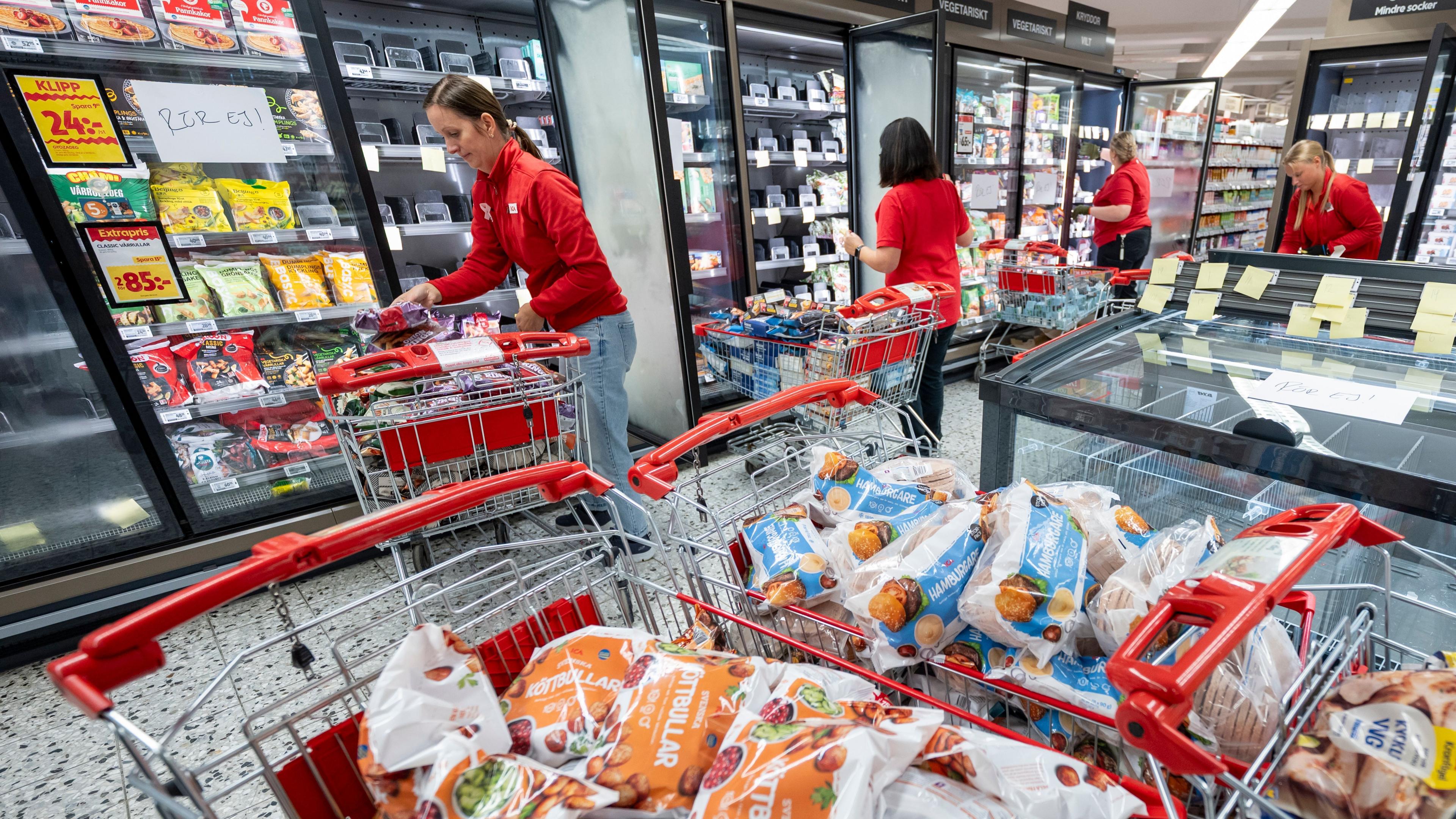
Cyberattacks have disrupted supermarket refrigeration systems across Europe, raising temperatures in internet-connected fridges and freezers and spoiling large quantities of food. On Monday, incidents affected more than 100 shops in several countries. Belgian and Luxembourg locations operated by Delhaize, Carrefour and Colruyt were among those hit, as were Swedish Coop stores, an IKEA site in Belgium and Irish SuperValu stores. A Belgian butcher reported that meat worth about 15,000 euros was ruined. The incidents follow attacks in October that damaged refrigeration equipment and spoiled food at hundreds of French supermarkets.
Similar failures occurred in August at a market on the US Army’s Fort Huachuca base in Arizona and at a naval station in Newport, Rhode Island. The Pentagon reportedly considers the military-base malfunctions suspected hacks, and an official said US investigators were in contact with French authorities.
Cybersecurity expert Awais Rashid says remotely managed refrigeration controllers can be exposed online, sometimes without necessary software updates. Known weaknesses include outdated controllers and easily guessed passwords, allowing unauthorized users to change temperatures. In some European cases, temperatures reportedly reached 50 degrees Celsius, causing equipment to melt or catch fire.
The attackers and their motives have not been identified. European Commissioner for Agriculture and Food Christophe Hansen called the incidents a deliberate attempt to disrupt food supplies, while saying food security was not currently at risk. Rashid described disruption as the likely motive, warning of financial damage, food waste and reduced public trust in essential infrastructure. Belgium has opened a criminal investigation, but no one has claimed responsibility. The article notes broader concerns about state-backed cyberattacks, including warnings about Russian activity in Europe and the UK’s assessment that nation states may routinely use AI-enabled cyberattacks by 2028. Rashid concludes that digital infrastructure is increasingly exposed, while emphasizing that sound cybersecurity practices can help systems operate safely.
Entities: Awais Rashid, Christophe Hansen, Belgium, France, United States • Tone: analytical • Sentiment: negative • Intent: inform
03-11-2026
Cyber-attacks affecting supermarket refrigeration systems across at least 10 European countries have raised concerns among European Union officials about the security of food supply chains and other remotely managed infrastructure. Retailers reported abnormal freezer temperatures, in some cases reaching 50C, and had to discard food. No group has claimed responsibility. The incidents occurred three weeks after a separate attack disrupted as many as 700 French grocery stores, with food losses estimated at tens of millions of euros.
EU food and agriculture commissioner Christophe Hansen said the bloc was taking the events seriously. Commission spokesman Thomas Regnier warned that cyber-attacks can disrupt essential services and said countries must be prepared, while stopping short of blaming any actor. Italy convened intelligence chiefs, though its government described the impact there as limited and said most of the food distribution chain had current security systems. The national cybersecurity agency reported incidents at several Co-op supermarkets, while the government said affected businesses generally had obsolete, internet-exposed systems and inadequate authentication.
Belgium was among the hardest-hit countries, with dozens of stores reporting refrigeration failures and federal prosecutors opening an investigation. Disruptions were also reported at 13 SuperValu stores in Ireland, a small number of Dutch corner shops, a German Rewe supermarket, seven Intermarché stores in Portugal, some ICA stores in Sweden, smaller Kesko stores in Finland, and at least one Estonian supermarket. Some companies linked the incidents to attacks on external providers or said they were still investigating.
In the UK, the National Cyber Security Centre urged retailers to update software for fridge temperature controls. Its head, Richard Horne, said vulnerable technology had been exploited in a couple of UK instances and that the agency was alerting organisations across the food supply chain. He also warned that the UK could face an AI-powered attack on critical national infrastructure within two years. The article presents the incidents as a serious, cross-border risk to food distribution and essential services, while noting that the full impact and responsibility remain unclear.
Entities: European Union, Christophe Hansen, Thomas Regnier, Giorgia Meloni, Richard Horne • Tone: analytical • Sentiment: negative • Intent: inform
03-11-2026
Grocery retailers in Belgium, Luxembourg and Sweden reported refrigerator and freezer temperature spikes on Monday, resulting in spoiled food and renewed concern that cyberattacks may be targeting connected food-storage systems. Dutch retailer Ahold Delhaize and Belgian chain Colruyt described an overnight IT incident affecting stores in Belgium and Luxembourg. Swedish chains ICA and Coop also reported equipment problems, though neither said it had confirmed a cyberattack. A store in Sjöbo, Sweden, posted that its refrigeration units had been hacked and set to 50°C, but ICA said it was investigating what happened and how many locations were affected. Coop said six of its roughly 800 Swedish stores had refrigeration problems and had to discard food.
The latest reports follow a cyberattack less than three weeks earlier that affected refrigeration systems at hundreds of French supermarkets, including E. Leclerc, Intermarché and Cooperative U. Prosecutors in Paris confirmed the attack, which also affected other major chains and caused fires when equipment overheated. No group has claimed responsibility for the attacks on European grocery retailers.
Ahold Delhaize had reported suspicious activity in its infrastructure to Dutch police in October. Its spokesperson said the chain detected rising refrigeration temperatures on Monday. Sabcobel, the Belgian refrigeration company operating systems used by Delhaize and other retailers, attributed the incident to a cyberattack: evaporators in fridges and freezers had been switched into defrost mode. Sabcobel’s CEO said technicians worked overnight to disconnect affected units from the network, while warning that protecting many units would require physical modifications and investment.
The incidents have raised wider concerns about the security of network-connected infrastructure and food supplies. EU food and agriculture commissioner Christophe Hansen said food security needs greater attention and described exploitation of vulnerabilities in essential systems as a new reality. Cooperative U’s CEO called the targeting of equipment needed to preserve fresh food extremely serious and unprecedented.
Entities: Ahold Delhaize, Colruyt, ICA, Coop, Sabcobel • Tone: analytical • Sentiment: negative • Intent: inform
03-11-2026
Supermarkets in several European countries suffered cyberattacks on Monday that remotely affected refrigeration systems, raising temperatures in fridges and freezers and forcing stores to discard food. Ahold Delhaize reported incidents at dozens of Delhaize stores in Belgium and Luxembourg. Colruyt said five Spar stores in Belgium were targeted; Carrefour reported attacks at 15 Belgian stores, and Intermarché said 15 of its 153 Belgian stores were affected. IKEA, Sweden’s ICA, Finland’s Kesko, Ireland’s SuperValu and Estonia’s Selver also reported refrigeration disruptions. The European Commission said it was in contact with national authorities and had convened a meeting with EU agencies including ENISA and Europol.
The attacks came less than a month after cyberattacks affected hundreds of French supermarkets, causing refrigeration failures, spoiled food and, in some cases, fires. Similar freezer malfunctions at six U.S. military bases in August are also being investigated as suspected hacks. No group has claimed responsibility for the latest incidents, and investigations remain ongoing.
Experts say the attacks may not require sophisticated techniques: some refrigeration control units are exposed to the public internet and may have weak or outdated access protections. A vendor issued a patch in August, but thousands of units reportedly remained unpatched, while older models cannot be updated. Analysts caution that the motive is unclear. Disrupting food refrigeration can create a striking image of empty shelves and public anxiety even when the direct damage is limited; possible explanations include opportunistic activity or an attempt to unsettle countries supporting Ukraine, though neither has been established.
The incidents underscore the risks posed by remotely managed systems that control physical infrastructure. Sophos’s Rafe Pilling said attackers can cause disruption by finding exposed systems, even without exceptional capabilities. Although there is no evidence AI was involved in these attacks, he expects AI to play a larger role in future cyber operations. The U.K.’s National Cyber Security Centre separately warned that AI-powered ransomware could become more likely over the next two years and urged organizations to treat security and resilience as essential investments.
Entities: Ahold Delhaize, Belgium, Luxembourg, Carrefour, Intermarché • Tone: analytical • Sentiment: negative • Intent: analyze
03-11-2026
Italy held emergency talks with intelligence officials and its National Cyber Security Agency after cyberattacks on supermarket refrigeration systems affected stores in at least 11 European countries. The incidents caused temperatures to rise in fridges and freezers, forcing supermarkets in at least 10 EU countries, as well as the UK, to discard food. The motive is unknown, and no one has claimed responsibility.
The Italian government described the impact as limited, saying around 20 stores were affected and that the incidents had so far hit only outlets with outdated security systems. A Coop supermarket operator in Sicily reported that four of its 300 stores were struck and that the affected stores had to throw away all their food. Italy’s cyber agency issued technical advice to retailers.
EU officials said the incidents were not isolated and called for a coordinated response. The EU food and agriculture commissioner characterized the attacks as a deliberate effort to disrupt the food supply chain. Romania’s cybersecurity chief, however, described them as “semi-amateurish” and said officials did not suspect a state actor. The UK’s National Cyber Security Centre chief said vulnerable technology had been exploited and warned that the issue affected the broader food supply chain.
Reported impacts included four German stores, six Romanian outlets and seven Swedish Coop shops, which had returned to normal. Sweden’s chain said the equipment involved used old 4G networks. Belgian federal prosecutors opened an investigation. The article also notes that hundreds of French supermarkets experienced a similar attack the previous month. Refrigeration systems are often internet-connected to enable remote monitoring and repairs; research cited in the article found nearly 13,000 refrigeration control services accessible online across 99 countries.
Entities: Italy, European Union, United Kingdom, Germany, Netherlands • Tone: analytical • Sentiment: neutral • Intent: inform