02-10-2026
President Donald Trump said the United States may ask European countries to release diesel reserves as his administration seeks to curb rising fuel prices amid the war on Iran. His comments followed Treasury Secretary Scott Bessent’s call for Europe to make additional diesel supplies available immediately to address market disruptions. US Trade Representative Jamieson Greer said France, Germany and Italy would be interested in cooperating with the United States to increase diesel supplies, while Energy Secretary Chris Wright expressed confidence that Europe could help ease global prices by releasing emergency inventories.
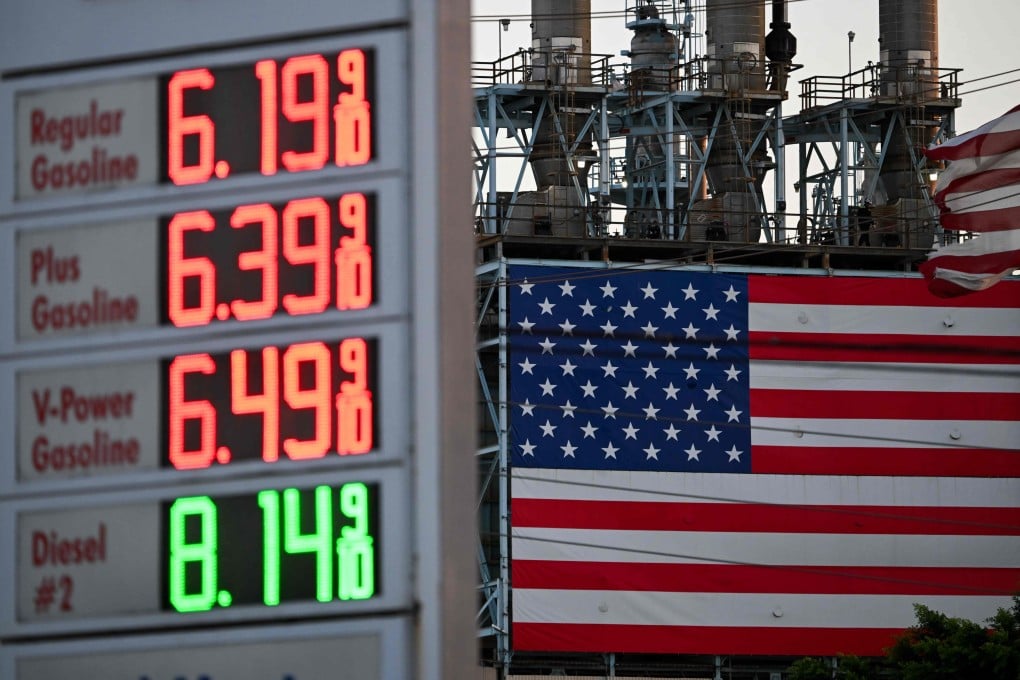
European governments were coordinating on diesel measures as prices climbed on both sides of the Atlantic. US diesel reached a record $6.53 per gallon a week before the report. Separately, European Commission data showed that 12 EU member states had reached new all-time highs, including Italy, Belgium, Romania and Poland. The article’s accompanying photograph also showed Los Angeles petrol prices above $7 per gallon and diesel above $8.
The high US prices have led the Trump administration and Republican lawmakers to consider restricting diesel exports ahead of the coming midterm elections. Such a restriction could affect fuel supplies abroad. France and Germany together hold more than a third of the European Union’s strategic diesel reserves, according to Reuters. EU trade chief Maros Sefcovic characterized a US diesel export ban as unexpected and warned it would harm Europe’s economy. The article does not report that the United States has formally requested a release of European reserves or imposed an export ban; it describes possible steps and ongoing coordination as governments respond to rising prices and supply disruptions.
Entities: Donald Trump, Scott Bessent, Jamieson Greer, Chris Wright, Maros Sefcovic • Tone: neutral • Sentiment: neutral • Intent: inform
02-10-2026
The Trump administration is pressing European countries to release emergency diesel reserves as fuel prices surge amid disruptions linked to the US-Israel war on Iran and Russia’s war on Ukraine. US diesel prices recently reached a record $6.53 per gallon, while Europe’s average also hit a record, at 2.24 euros per litre. The administration reportedly asked EU leaders to release 120 million barrels from national strategic reserves over 180 days. Treasury Secretary Scott Bessent has urged Europe to make supplies available immediately, while EU officials say they favor coordinating a response.
Washington argues that releasing European stocks could increase global supply and reduce prices for consumers. A White House official cited lost exports from Russia, the Middle East and China, despite US refiners operating at record levels. Analyst Eamon Drumm said the administration may see stock releases as a way to ease US prices before the November midterm elections, and described the pressure as part of its “energy dominance” policy. He also warned that a US diesel export ban could harm Europe while damaging US markets and confidence in American suppliers.
European countries hold substantial reserves, with EU rules requiring stocks equivalent to at least 90 days of net imports or 61 days of domestic consumption. By contrast, US diesel inventories were at a record low in September. The article also places the dispute within worsening US-EU relations, strained by tariffs, Trump’s Greenland demands, European restrictions on US use of airbases for attacks on Iran, and Washington’s consideration of troop withdrawals.
France, Germany, Italy, Ireland and the UK have agreed to respond with “one voice.” EU officials have discussed a French proposal for Europe to release 50 million barrels of diesel, alongside 50 million barrels of crude oil from International Energy Agency members. Whether Europe will meet Washington’s request remains unresolved; the supplied article text ends before completing its final expert comment.
Entities: Donald Trump, Scott Bessent, Maros Sefcovic, Jamieson Greer, Eamon Drumm • Tone: analytical • Sentiment: neutral • Intent: inform
02-10-2026
Donald Trump has said he may ask European countries to release diesel from their reserves as his administration considers restricting US diesel exports. Treasury Secretary Scott Bessent has urged European partners to make existing and additional supplies available immediately, arguing that American farmers, truckers and businesses should not bear the burden of high fuel prices. The US is a major global diesel supplier, exporting an estimated 1.2 to 1.5 million barrels a day, so a ban could worsen shortages and raise prices abroad.
The pressure comes amid a global fuel-price surge linked to the war in Iran, the closure of the Strait of Hormuz, and a Russian export ban. The issue is also politically significant in the US, where November’s midterm elections will determine control of Congress and Trump is campaigning for Republican candidates. He argues that keeping surplus diesel at home could lower domestic pump prices.
UK and European officials are preparing for the possibility of export restrictions. UK Energy Minister Martin McCluskey discussed the issue with European counterparts, and a source told the BBC that coordinated preparation was prudent. The UK says it has a diverse supply and that European reserves remain from an earlier release, while the government says there is no immediate reason to fear shortages. However, it expects prices to rise further.
UK diesel prices have reached a record, averaging 199.79p per litre, according to the RAC. The country imports diesel because its four refineries do not produce enough to meet demand, despite producing sufficient petrol. Diesel is particularly difficult to replace because it is used extensively in haulage and agriculture. The RAC figures cited show diesel prices rising from 142.38p per litre, while UK diesel-vehicle numbers have declined year on year.
Entities: Donald Trump, Scott Bessent, Martin McCluskey, David Fyfe, United States • Tone: analytical • Sentiment: negative • Intent: inform
02-10-2026
The Trump administration is urging European countries to release diesel reserves immediately, arguing that U.S. farmers, truckers and businesses should not bear the costs of global supply disruptions alone. Treasury Secretary Scott Bessent said European partners should meet existing commitments and make additional supplies available. The request comes as the administration weighs whether to restrict U.S. diesel exports amid high fuel prices and political pressure ahead of November’s midterm elections.
Average U.S. diesel prices reached a reported record of $6.50 per gallon late last month, with supply disruptions linked to the Iran war and Russia’s invasion of Ukraine. President Donald Trump had said he was seriously considering an export ban, but appeared less certain this week after crude exports through the Strait of Hormuz recovered. He also acknowledged that restricting diesel exports could negatively affect gasoline prices.
A possible U.S. ban has alarmed Europe because the United States supplied about half of the European Union’s diesel imports in August. EU member states are holding crisis talks on soaring prices and a coordinated response. Reuters reported that France proposed releasing 50 million barrels of diesel from EU nations, alongside 50 million barrels of crude from members of the International Energy Agency. CNBC said it could not independently verify the report.
EU trade chief Maros Sefcovic said Europe wants to work with the United States to lower energy prices, while warning that a U.S. export restriction would be unexpected and harm Europe’s economic outlook. Macquarie Group strategist Walt Chancellor characterized the situation as a global energy problem, arguing that increased oil flows through the Strait of Hormuz are essential to resolving it. The waterway’s traffic had been disrupted after U.S. and Israeli attacks on Iran in late February, but daily exports reportedly returned to prewar levels this week.
Entities: Donald Trump, Scott Bessent, Maros Sefcovic, Jamieson Greer, Walt Chancellor • Tone: analytical • Sentiment: negative • Intent: inform
02-10-2026
Oil prices fell Friday after reports that European Union states were discussing a proposal to release diesel reserves, alongside a possible release of crude oil by members of the International Energy Agency (IEA). Brent crude futures for December delivery were down 2.6% at $99.65 per barrel, while U.S. West Texas Intermediate futures for November delivery fell 4% to $89.11. The potential releases are intended to ease a global diesel shortage and followed pressure from the Trump administration for Europe to make more supplies available.
Reuters, citing one unnamed source familiar with the discussions, reported that France proposed EU nations release 50 million barrels of diesel and IEA members release 50 million barrels of crude. CNBC said it could not independently verify the report; French government and IEA representatives were not immediately available to comment. EU countries were due to hold crisis talks Friday on a coordinated response to soaring diesel prices.
U.S. Treasury Secretary Scott Bessent urged European partners to speed up existing commitments and provide additional supplies, arguing that American farmers, truckers, and businesses should not bear the cost of the global shortage. The article also notes that President Donald Trump has repeatedly raised the possibility of a U.S. diesel export ban, although he appeared to soften that position earlier in the week as crude exports resumed through the strategically important Strait of Hormuz. The U.S. supplied about half of EU diesel imports in August, according to the IEA, leaving the bloc exposed to a possible ban.
The decline in oil prices followed gains in the previous session, when reports of additional U.S. military forces being sent to the Middle East heightened concerns about escalation in the region’s months-long conflict.
Entities: Brent crude, West Texas Intermediate (WTI), European Union (EU), France, International Energy Agency (IEA) • Tone: analytical • Sentiment: neutral • Intent: inform
02-10-2026
The United States is urging European allies, particularly Germany and France, to release strategic diesel reserves to help ease soaring fuel prices. The request follows a sharp increase in diesel costs since the start of the Iran war and comes amid President Donald Trump’s suggestion that the US might ban diesel exports. The European Union has rejected that threat, warning it could undermine trust between the allies and harm economic performance.
US Energy Secretary Chris Wright argued that releasing emergency inventories would bring more fuel to market ahead of the harvest season and winter heating-oil demand. Treasury Secretary Scott Bessent said the US had already released 172 million barrels under an agreement among International Energy Agency members and urged European partners to fulfill and expand their commitments. Trade Representative Jamieson Greer also called for cooperation, saying France, Germany and Italy had reserves.
European officials said the market was tight and that the EU was discussing the situation with the IEA. French President Emmanuel Macron spoke with Trump and called for coordinated action without export restrictions. Macron also plans to convene G7 leaders. EU officials said a US export ban would be unexpected and could have serious economic consequences, while France’s trade minister said he could not imagine such a ban. Germany said the IEA had not asked it to release stocks, although Reuters reported that France had asked EU partners to release additional supplies. The article describes a dispute over how to respond to high prices while preserving coordination and avoiding restrictions on trade.
Entities: Donald Trump, Chris Wright, Scott Bessent, Jamieson Greer, Emmanuel Macron • Tone: analytical • Sentiment: negative • Intent: inform
02-10-2026
The European Union is prepared to work with the International Energy Agency (IEA) on another emergency fuel-stock release as diesel prices remain unusually high and concerns grow about a possible US ban on diesel exports. France has reportedly proposed releasing 50 million barrels of diesel, alongside 50 million barrels of crude oil. The diesel volume would be substantial: EU and UK imports from outside the region totaled 24.25 million barrels in September, according to Kpler.
Analysts say the effect on prices would depend on the size of a release and how quickly the fuel reaches the market. A major release could lower wholesale prices by $20–30 per barrel, potentially reducing pump prices by about €0.10–0.15 per litre. Motorists might see some changes within days, though significant price movements can take one to two weeks to reach pumps. The relief would likely be temporary, because global diesel demand currently exceeds supply and inventories are already being drawn down.
Europe’s supply constraints reflect disrupted Russian refinery operations following drone strikes, reduced refined-product exports from the Middle East, and lower Asian exports amid the US-Iran conflict. European refineries are already operating near capacity, leaving the region reliant on imports. Strategic reserves provide a buffer—major countries reportedly hold 70 to 100 days of cover—but drawing them down would mean replenishing stocks later, which could take time.
The article notes that sustainable price relief would require an easing of global refining constraints, including higher production and exports from the Middle East and other suppliers. A slowdown in the global economy could also reduce fuel demand. The proposed release follows an earlier IEA agreement to make 400 million barrels of emergency stocks available, while Brussels has rejected the prospect of a US diesel-export ban.
Entities: European Union (EU), International Energy Agency (IEA), Anna-Kaisa Itkonen, George Shaw, Alan Gelder • Tone: analytical • Sentiment: neutral • Intent: analyze
02-10-2026
France is considering a coordinated release of emergency oil stocks to ease rising diesel prices and address concerns about fuel supplies, according to three EU diplomats. The idea was raised at a Friday morning meeting between the European Commission and EU countries, following a conversation between French President Emmanuel Macron and US President Donald Trump about global energy conditions. France has not made a formal proposal, but reportedly suggested releasing 50 million barrels of diesel and 50 million barrels of crude oil from International Energy Agency (IEA) emergency stocks. One diplomat said the United States had sought a 100-million-barrel release, while the EU was unwilling to accept that request.
Washington has been urging European countries to release more strategic reserves as it tries to contain fuel prices ahead of November’s midterm elections. The Trump administration is also considering a ban on diesel exports. US Energy Secretary Chris Wright previously proposed that the EU release 120 million barrels over three months as an alternative to such a ban. Macron has called a possible US export ban “catastrophic,” and France is expected to be among the countries most affected.
Brent crude rose above $100 a barrel on 1 October, amid the deployment of a third US aircraft carrier to the Middle East and China’s suspension of fuel exports. After Friday’s meeting, the European Commission said the EU was “ready for collective action,” while noting that the IEA would organise any release. A split between diesel and crude stocks could matter for consumers: diesel can be distributed more quickly, whereas crude must first be refined. Any release would require coordination among countries in the IEA’s emergency stock system.
France, which holds the G7 presidency, will host a leaders’ videoconference on Friday afternoon. The Élysée said the goal is to coordinate measures to ease price pressures and secure supplies of crude oil and refined products among G7 nations and globally.
Entities: France, Emmanuel Macron, Donald Trump, Chris Wright, European Commission • Tone: analytical • Sentiment: neutral • Intent: inform
02-10-2026
The European Union rejected a US proposal to ban diesel exports unless Europe releases more fuel from its reserves, warning that such a restriction would harm both sides and undermine trust in the United States as a reliable partner. The dispute comes as diesel prices in the United States and Europe reach record levels amid the US-Iran war and attacks on Russian energy infrastructure. High fuel costs have also become a political liability for President Donald Trump and his Republican Party ahead of next month’s congressional midterm elections.
European Commission spokesperson Anna-Kaisa Itkonen said the EU would work with the International Energy Agency (IEA) on possible reserve releases, but opposed export restrictions. French President Emmanuel Macron urged Trump and other G7 leaders to coordinate action without restricting exports. Macron was scheduled to chair a G7 video call on measures affecting crude oil and refined-product markets.
The diplomatic efforts followed pressure from US Treasury Secretary Scott Bessent, who called on European partners to deliver on existing commitments and make additional supplies available. IEA Executive Director Fatih Birol said some stocks pledged in March had not yet been released. The IEA’s 32 members had agreed to release 400 million barrels—the organization’s largest-ever drawdown—with roughly a third still to reach the market. Birol said further releases were possible.
EU trade chief Maros Sefcovic warned that a US export ban would have “dramatic consequences” for Europe’s economic performance, given the bloc’s reliance on fuel imports. A US official said cooperation with Europe was in both sides’ interests, and US Trade Representative Jamieson Greer described a willingness to work together. US average diesel prices have risen more than 70 percent since the war began, reaching $6.39 a gallon, according to the American Automobile Association.
Entities: European Union (EU), United States, Donald Trump, Emmanuel Macron, Anna-Kaisa Itkonen • Tone: analytical • Sentiment: neutral • Intent: inform
02-10-2026
The United States has urged European allies to release strategic diesel reserves immediately, arguing that additional supplies could help reduce fuel prices that have risen sharply during the war on Iran. EU member states are expected to discuss a coordinated response with the European Commission. Reports indicate that Washington particularly wants France and Germany to draw on their stockpiles.
The pressure comes as President Donald Trump considers banning US diesel exports. US officials have called for cooperation, while US Trade Representative Jamieson Greer described both sides as eager to work together. However, EU trade chief Maros Sefcovic said an export ban would be unexpected and could have “very dramatic consequences” for Europe’s economic performance. French trade minister Nicolas Forissier said he could not imagine such a ban and emphasized the need to find solutions, including with other countries if necessary.
France’s presidency said no request to release reserves had been made during a recent meeting between Trump and President Emmanuel Macron. Macron is expected to convene a video meeting of G7 leaders in mid-October to discuss measures addressing rising fuel prices, including coordinated reserve releases. The article reports that average US diesel prices have increased by more than 70 percent since the start of the war, reaching $6.39 per gallon, according to AAA. Rising fuel costs are adding to living expenses and creating political risks for Republicans ahead of November’s midterm elections.
Entities: Donald Trump, Emmanuel Macron, Scott Bessent, Maros Sefcovic, Nicolas Forissier • Tone: analytical • Sentiment: neutral • Intent: inform
02-10-2026
The European Union is preparing emergency talks on soaring diesel prices, with EU member states and the European Commission scheduled to meet early Friday to seek a unified response. The meeting follows a call from the United States for European allies to release strategic fuel reserves “immediately” in an effort to ease the crisis.
Washington is increasing pressure on its allies as high energy costs pose a political risk for Republicans ahead of the US midterm elections. On Wednesday, US President Donald Trump raised the possibility of banning diesel exports, adding to concerns over the availability and cost of fuel.
EU trade chief Maros Sefcovic said Thursday that a US export ban would be “unexpected for Europeans.” He made the remarks to reporters on the sidelines of the G20 trade ministers’ gathering in Milwaukee. The article does not specify what measures EU countries may agree on or whether they intend to release reserves. It frames the planned meeting as an attempt to coordinate a response amid pressure from Washington and uncertainty about possible US export restrictions.
Entities: European Union (EU), United States, Donald Trump, Maros Sefcovic, European Commission • Tone: urgent • Sentiment: neutral • Intent: inform
02-10-2026
EU member states and the European Commission are due to hold an emergency meeting on Oct 2 to coordinate a response to sharply rising diesel prices. The meeting follows a US call for European allies to release strategic fuel reserves immediately. Reports say Washington is particularly urging France and Germany to use their diesel stockpiles, as prices have climbed amid the US war on Iran and related supply disruptions.
US President Donald Trump has also said he is considering a ban on diesel exports from the United States. EU trade chief Maros Sefcovic warned that such a move would be unexpected and could have “very dramatic consequences” for European economic performance. He said European and US officials had agreed to remain in close contact. US Treasury Secretary Scott Bessent urged European partners to make additional supplies available, while a US official argued that cooperation would benefit both sides by increasing refined-product supply and lowering consumer costs. US Trade Representative Jamieson Greer described both sides as eager to work together.
European officials emphasized the need for balanced solutions and did not confirm that France had been formally asked to release reserves. France’s presidency said no such request was made during a September meeting between Trump and President Emmanuel Macron. Macron plans to convene a video meeting of G-7 leaders in mid-October to discuss ways to address rising fuel prices, including coordination on reserve releases.
The price surge also carries domestic political consequences for Trump. Average US diesel prices have risen more than 70% since the start of the Iran war, reaching US$6.39 a gallon, according to AAA. Higher fuel costs have contributed to rising living expenses and concern among Republicans ahead of November’s midterm elections.
Entities: European Union, European Commission, United States, Donald Trump, Maros Sefcovic • Tone: analytical • Sentiment: neutral • Intent: inform