31-10-2026
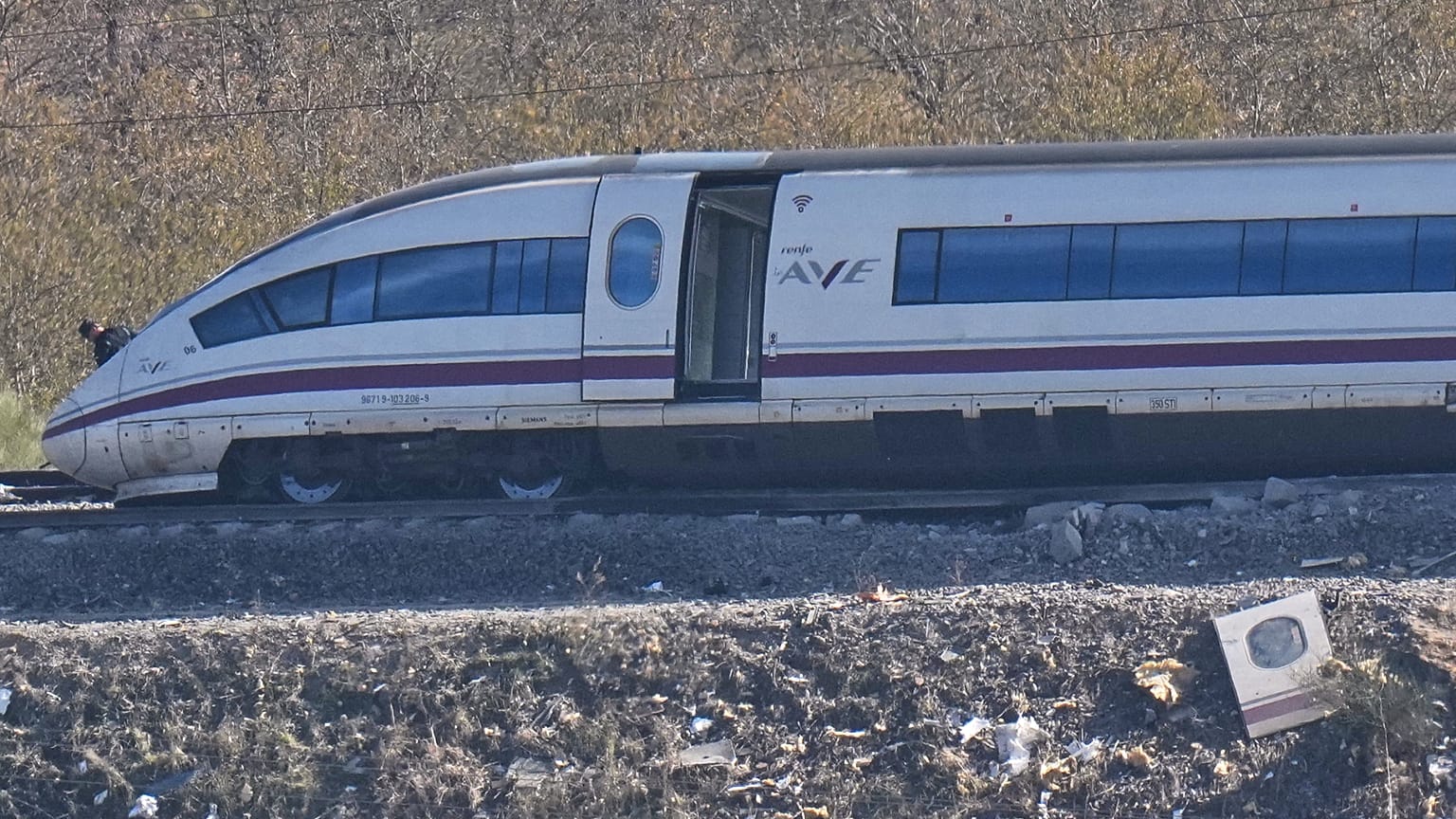
A deadly collision on Spain’s high-speed rail network has intensified pressure on Prime Minister Pedro Sánchez just weeks before a snap general election. The crash in central Spain has left 69 people dead, following a separate collision near Córdoba nine months earlier that killed 46. The disasters have shaken public confidence in rail safety and, more broadly, in the government and national institutions.
The formal investigation into the Toledo-area crash is only beginning. Transport Minister Óscar Puente has argued that human error, rather than inadequate infrastructure or chronic underinvestment, caused the collision. He said Spain’s LZB signalling system is also used in Germany and Austria, and that its failures occur at roughly the EU average. The crucial issue, he said, was the transition to manual control after the system failed. A controller reportedly cleared a stalled train to resume at up to 160km/h despite another train being ahead; control-room staff could see the developing danger, but the advancing train was not told to stop. Puente rejected calls to resign, saying he should remain in office to explain events and improve the system.
The crash comes amid other difficulties for Sánchez, including corruption allegations involving close relatives, criticism over migration, and protests after the eviction of an elderly woman. Sánchez called an early election after the housing controversy, and his prospects were already weak. Polls cited in the article point to a likely victory for the centre-right People’s Party and a possible coalition with Vox. Analysts say the latest disaster has further undermined the government’s campaign and deepened a sense that the country is not functioning properly.
Public reactions include fear of travelling by train, anger at the government, and predictions that voters may shift from the left to the right. The article describes a nervous mood in Toledo and notes that police are preparing for possible protests in Madrid.
Entities: Pedro Sánchez, Óscar Puente, Toledo train disaster, Adamuz/Córdoba train crash, Spain • Tone: analytical • Sentiment: negative • Intent: analyze
31-10-2026
Spain is observing a third day of national mourning after a train collision in Urda, Toledo, killed at least 69 people. Residents and local officials attended a memorial Mass near the crash site, while relatives awaited the identification of victims. Authorities said the process was complicated by partial remains; 67 missing-person reports were still active, including 14 involving foreign nationals. Thirty-nine injured people remained in hospital, and officials warned the death toll could rise.
The collision has intensified demands for urgent improvements to rail safety and increased pressure on Prime Minister Pedro Sánchez’s government. The train drivers’ union Semaf asked the State Railway Safety Agency to review rules for operating trains when protection systems fail, including the LZB system and procedures associated with ERTMS. Preliminary information indicates that LZB stopped functioning shortly before the crash, but investigators have not established whether that failure caused the collision. Semaf says trains should not resume normal operations when there is a risk of two trains occupying the same track section. The union has also complained that earlier reports of network problems and previously agreed safety measures were not adequately addressed.
Transport Minister Óscar Puente announced plans to reduce technical risks and rebuild public confidence but has not detailed the measures. Sánchez acknowledged that trust in the high-speed rail network was “shattered” and promised solutions. The crash was Spain’s second major rail disaster this year, following a January collision in Andalusia that killed 46 people. With elections approaching in November, the government faces political criticism from opposition leader Alberto Núñez Feijóo. Semaf has called strikes at state operator Renfe for November 10 and 12, seeking structural safety measures. Relatives and passengers expressed fear and called for reflection on why such deadly accidents continue to occur.
Entities: Urda, Toledo, Pedro Sánchez, Emiliano Garcia-Page, Óscar Puente, Alberto Núñez Feijóo • Tone: analytical • Sentiment: negative • Intent: inform
31-10-2026
Residents and officials in Urda, a village near the site of a deadly high-speed train collision in Spain’s Toledo province, attended a memorial Mass on Oct. 31 for those killed in the disaster. The service took place at San Juan Bautista church, where the pews were full and dozens more people gathered outside. Some mourners were seen wiping away tears.
The crash occurred on Oct. 28 when a train travelling from Madrid to Seville struck a stationary train. At least 69 people died, making it one of Europe’s deadliest rail disasters this century. Investigators are still working to establish the cause.
Archbishop of Toledo Francisco Cerro described the days since the collision as a “Good Friday for us all” and said there were no words that could comfort those who had lost loved ones. He told affected families they were not alone and said society was with them. Cerro urged people not to forget the tragedy and called for such disasters never to happen again. He also praised healthcare staff, firefighters, police, rescue teams and volunteers for their efforts, describing a “genuine wave of solidarity.”
Among the officials attending were Castilla-La Mancha regional president Emiliano Garcia-Page and Urda Mayor Manuel Galan. Galan said the village’s roughly 2,500 residents were deeply affected, in great pain and in need of support.
Families are enduring an agonising wait for information while relatives provide DNA samples to help identify the dead. Rescue teams continue to sift through wreckage, and forensic experts are working to identify bodies. Authorities have completed autopsies on all 69 victims; 36 had been identified at the time of reporting.
Entities: Urda, Toledo province, Spain, San Juan Bautista church, Francisco Cerro • Tone: emotional • Sentiment: negative • Intent: inform