30-10-2026
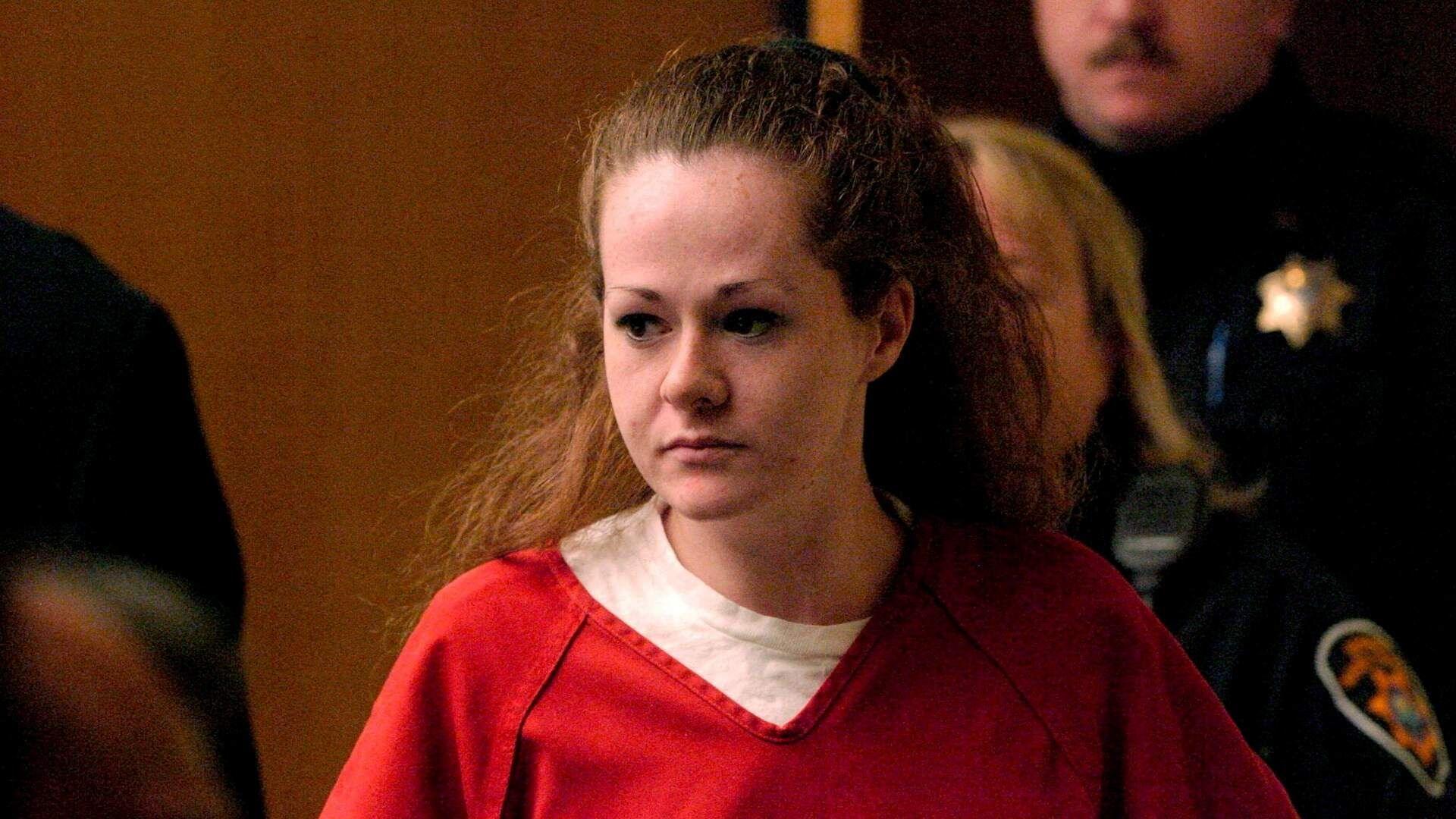
Christa Pike, a 50-year-old Tennessee death-row inmate, has issued her first public statement since surviving a failed lethal-injection execution in September. She says she has remained in pain since the attempt, describing physical injuries and continuing difficulty speaking, alongside emotional and spiritual suffering. Although she is recovering and getting stronger, she says that healing does not mean she is well. Pike was discharged from hospital after being left in critical condition following two injections of pentobarbital. Her lawyers previously reported pneumonia, severe swelling in her arms and difficulty swallowing. She has since returned to the prison where she has been held for 30 years for the 1995 murder of Colleen Slemmer. Pike was 18 when she and her boyfriend, Tadaryl Shipp, tortured and killed Slemmer, who was 19. Shipp, not legally an adult at the time, was spared the death penalty and remains imprisoned.
Pike says she had not imagined surviving the execution attempt and is deeply hurt by the incompetence that placed people in a terrible position. Her friend Bethany Mann, who supports families affected by parental incarceration, said she wanted to respect Pike’s privacy. Mann also criticized Tennessee Governor Bill Lee for not publicly reconsidering the death penalty itself. Lee paused executions in the state for the rest of the year and ordered an independent review, but said Pike’s sentence would likely remain unless courts decide otherwise. The Tennessee Department of Correction has not explained why the execution failed, while defending the method used.
Slemmer’s mother, May Martinez, who attended the execution attempt after advocating for Pike’s execution, called it a “mess” and said the state owes her an apology; she said she wanted justice. Pike was the first woman scheduled for execution in Tennessee in more than 200 years, and appeals by her lawyers did not prevent the attempt. The article also notes another problematic Tennessee execution in 2026: Tony Carruthers’s lethal injection was postponed when staff could not find a vein. A Death Penalty Information Center report found that more than a third of US executions in 2022 were botched or highly problematic.
Entities: Christa Pike, Colleen Slemmer, Tadaryl Shipp, Bethany Mann, May Martinez • Tone: analytical • Sentiment: negative • Intent: inform
30-10-2026
Christa Pike, a 50-year-old Tennessee death-row inmate, says she remains in constant pain and has difficulty speaking a month after surviving a failed lethal-injection execution. In her first public statement since the September 30 attempt, she said she had expected to die but regained consciousness alone and confused in a hospital. She described pain in her body, arms, hands and throat, as well as mental and emotional suffering. Pike survived two doses of pentobarbital. Her lawyers say her arms were burned and blistered, and that she was unconscious and on a ventilator during the first days of her hospitalization. Experts have questioned whether an intravenous-line failure caused the drug to enter surrounding tissue instead of her bloodstream. Governor Bill Lee ordered an investigation and postponed Tennessee’s other lethal injection scheduled for this year; the state’s prison chief resigned. Pike’s lawyers have asked Lee to commute her death sentence to life imprisonment. Lee has said he expects the sentence to remain in place unless a court decides otherwise. Pike blamed the failed execution on what she called “incompetence,” while expressing gratitude to medical workers who saved her life and acknowledging the grief of her victim’s family. Pike was sentenced to death for the 1995 torture and murder of her 19-year-old classmate, Colleen Slemmer. Pike was 18 at the time and committed the crime with her boyfriend. She dictated her statement to her legal team from the infirmary at the Debra K. Johnson Rehabilitation Center after returning there from hospital. She said she does not know why she survived or what will happen next, and is trying to recover one day at a time.
Entities: Christa Pike, Tennessee, Bill Lee, Colleen Slemmer, Debra K. Johnson Rehabilitation Center • Tone: neutral • Sentiment: negative • Intent: inform
30-10-2026
Christa Pike, 50, says she has been in constant physical and emotional pain since surviving a lethal injection attempt in Tennessee on 30 September. In her first public statement, dictated to her attorneys from the infirmary at the Debra K. Johnson Rehabilitation Center, Pike described pain in her body, arms, hands and throat, as well as distress in her mind and soul. She said she had entered the execution chamber expecting to die peacefully, then woke alone and confused in a hospital bed. Pike said she had never imagined living past her scheduled execution date and does not know why she survived or what will happen next. She is trying to heal one day at a time and expressed gratitude for the love and kindness of people who have helped her feel less alone.
Pike also condemned what she called the incompetence surrounding the failed execution, while acknowledging the suffering of the family of Colleen Slemmer, her classmate whom Pike tortured and killed in 1995 when she was 18. Pike was sentenced to death for the crime. Her lawyers have asked Tennessee Governor Bill Lee to commute her sentence to life imprisonment. Lee said he expects the sentence to remain in place unless the courts decide otherwise. He has ordered an investigation into the botched execution and postponed the state’s other lethal injection scheduled for this year. Pike was initially hospitalized after the attempt and later transferred back to prison.
Entities: Christa Pike, Colleen Slemmer, Tennessee, Debra K. Johnson Rehabilitation Center, Governor Bill Lee • Tone: emotional • Sentiment: negative • Intent: inform
30-10-2026
Christa Pike, a 50-year-old Tennessee death-row inmate who survived a lethal-injection execution attempt on September 30, has made her first public statement about the incident. In a statement released by her legal team and reported by NCB, Pike said she has experienced continuous physical pain since the attempt, including pain in her body, arms, hands and throat, and difficulty speaking. She also described psychological and spiritual distress, emphasizing that her suffering extends beyond physical injuries. Although she said she is recovering and becoming stronger, she cautioned that this does not mean she is well.
Pike recalled entering the death chamber prepared to die and said she had never imagined a future beyond that night. She criticized what she called authorities’ incompetence and said she does not know why she survived or what will happen next. She acknowledged that hope is harder to find on some days than others.
The statement also recognized the pain of the family of Colleen Slemmer, Pike’s 19-year-old classmate, whom Pike killed in 1995 when she was 18. Investigators said Pike viewed Slemmer as a romantic rival. Pike expressed concern for Slemmer’s family and gratitude to the first responders and medical staff who treated her with compassion and respect. She said she is trying to heal one day at a time and draws comfort from people who remind her she is not alone.
Pike was discharged from hospital and returned to her prison in Nashville 10 days after the failed execution. The article describes her as believed to be the first person to survive a lethal injection after the execution drugs had already been administered. Had the execution proceeded as planned, she would have been the first woman executed by Tennessee in more than 200 years.
Entities: Christa Pike, Colleen Slemmer, Tennessee, Nashville, Tennessee Department of Correction • Tone: neutral • Sentiment: negative • Intent: inform