30-09-2026
Bulgarian Prime Minister Rumen Radev urged European leaders to pursue more diplomatic engagement with Russia, arguing that diplomacy is necessary to end the war in Ukraine and reduce the danger of a nuclear escalation. Speaking at Euronews’ Defence and Space Summit, he warned that Europe should assess worst-case scenarios rather than assume that a conventional victory over a nuclear-armed Russia is achievable or safe. Russia has an estimated 4,400 stockpiled nuclear warheads, including 1,796 that are strategically deployed.
Radev criticised continued European weapons deliveries to Ukraine as a “peace by force” approach that cannot determine the eventual peace settlement. He called for more communication and said Europe had not exhausted diplomacy. His remarks followed Russian Foreign Minister Sergei Lavrov’s warning that a war with Europe would be “completely different” and “very short,” as well as a reported Moscow document threatening the use of nuclear weapons to defend Russian territory from NATO. Radev rejected the Kremlin’s rhetoric but said European leaders must consider the consequences of escalation, particularly because Russia might use nuclear weapons if weakened or cornered.
Radev, elected earlier in the year, belongs to a minority of European leaders advocating closer dialogue with Moscow. Slovakia, the Czech Republic and Austria have also supported dialogue, while critics argue that the Kremlin is not serious about negotiations and maintains maximalist demands. Recent efforts to secure a ceasefire have failed, and Russia has continued attacks on Ukrainian cities and restricted Black Sea access.
Despite this record, Radev called for Europe to rebalance its military, economic and diplomatic tools in favour of diplomacy. He also rejected the characterization of his government as pro-Russian, noting that the war has tested Europe’s ability to set realistic political objectives and formulate sound military strategy.
Entities: Rumen Radev, Bulgaria, European Union, Russia, Ukraine • Tone: analytical • Sentiment: neutral • Intent: inform
30-09-2026
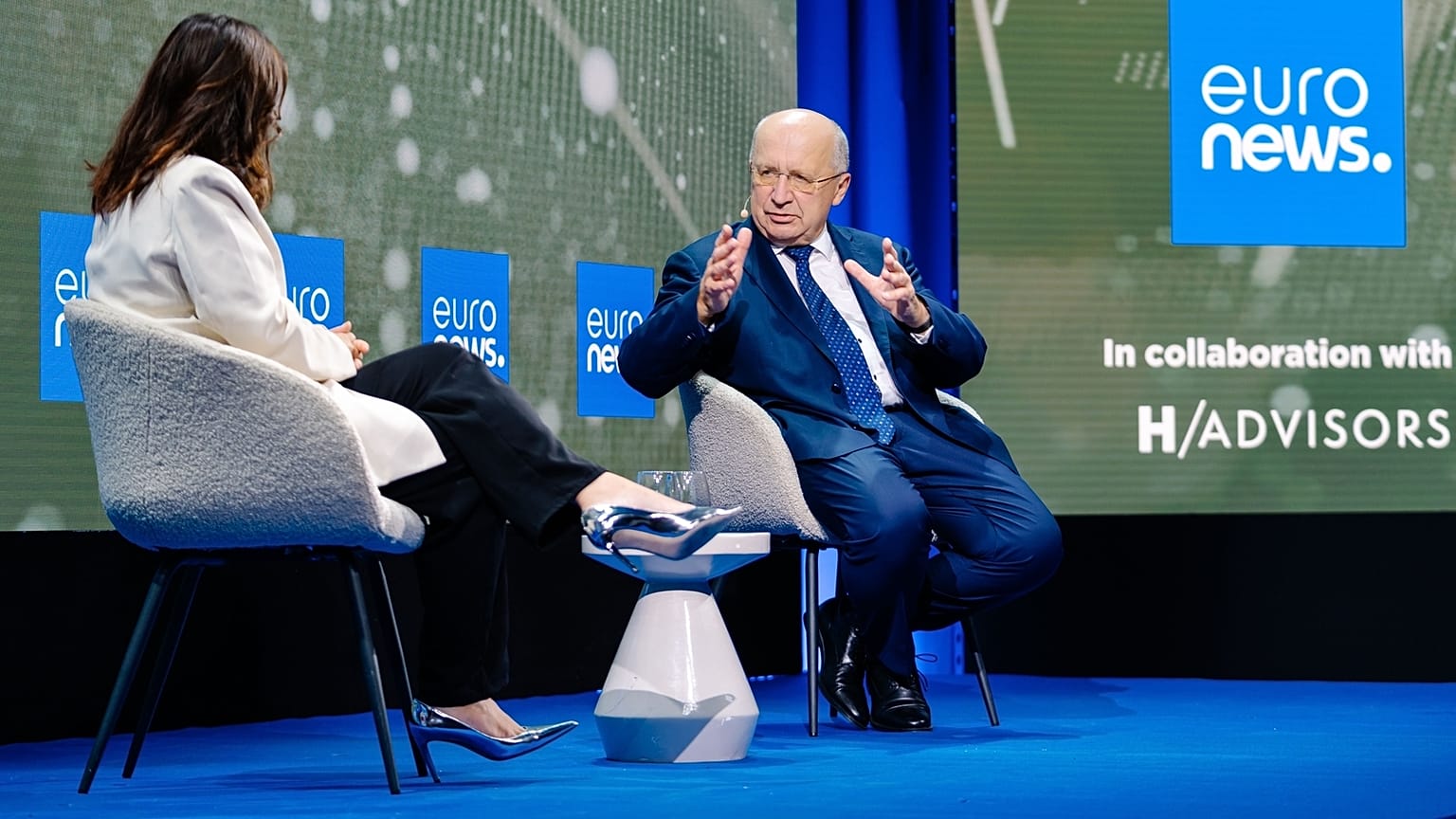
European Commissioner for Defence Andrius Kubilius says the European Union should respond to Russian hybrid attacks with measures that impose comparable pain on Moscow. Speaking to Euronews at its Defence and Space summit, he argued that Europe needs a stronger “hybrid defence” as well as a response to what he described as Russia’s effort to influence and frighten European populations. Recent incidents attributed to Russia include an arson attack on a drone manufacturer supplying Ukraine, which Estonia blamed on the Kremlin, and an attempted drone attack on Ukrainian cargo planes at Leipzig/Halle Airport, which Germany attributed to Moscow.
Kubilius also rejected calls for renewed diplomatic engagement with Russia as a way to end the war in Ukraine. Bulgarian Prime Minister Rumen Radev had argued at the summit that diplomacy and open communication are necessary for a future peace settlement, and raised concern about the risk of a devastating nuclear attack. Kubilius countered that previous diplomatic efforts have produced no results and that Russia’s stated position amounts to demanding Ukraine’s surrender. He said President Vladimir Putin must understand that he cannot achieve his aims through the war and should feel that the consequences of the conflict are reaching Russia itself.
Kubilius further warned that opening a diplomatic track could encourage Putin to escalate and increase risks to European security. In his view, such an approach would not make Ukraine or Europe safer and could amount to a victory for Putin, with further consequences to follow. The article presents a disagreement over whether Europe should prioritize diplomatic communication or a tougher response to Russian actions, against the backdrop of reported hybrid attacks and concerns about nuclear risk.
Entities: Andrius Kubilius, Vladimir Putin, Rumen Radev, Maria Tadeo, European Union • Tone: analytical • Sentiment: negative • Intent: inform
30-09-2026
NATO Secretary General Mark Rutte told Euronews that he sees no immediate threat to NATO territory and does not regard Russia’s reported nuclear warning over Kaliningrad as a credible threat of escalation. Speaking at the Euronews Defence & Space Summit in Brussels, he said the alliance has prepared to defend its territory and would respond if necessary. His comments followed media reports that Moscow had warned NATO against trying to isolate the Russian exclave of Kaliningrad from mainland Russia, and said it could use its full arsenal, including nuclear weapons. Rutte declined to confirm the contents of the reported letter, saying Russia should disclose it.
Rutte described NATO as a defensive alliance and urged Russia to stop making nuclear threats and end its war against Ukraine, which he characterized as an unprovoked war of aggression. He argued that Russian President Vladimir Putin could not win a confrontation with NATO and said Moscow’s warnings were not serious, though NATO should make its defensive position clear.
The NATO chief also said Russia is losing 43,000 troops killed or seriously wounded each month on the front line. He said Ukraine is in a stronger position than it was a year earlier and that NATO allies continue to provide military support. Rutte urged allies to remain calm, continue backing Kyiv and increase defence investment. He suggested that Russia’s threats are intended to divide NATO and distract attention from the war’s poor progress for Moscow. Overall, he presented the situation as one requiring continued vigilance and support for Ukraine, but not panic about an immediate attack on NATO territory.
Entities: Mark Rutte, Vladimir Putin, NATO, Euronews Defence & Space Summit, Brussels • Tone: analytical • Sentiment: neutral • Intent: inform