30-09-2026
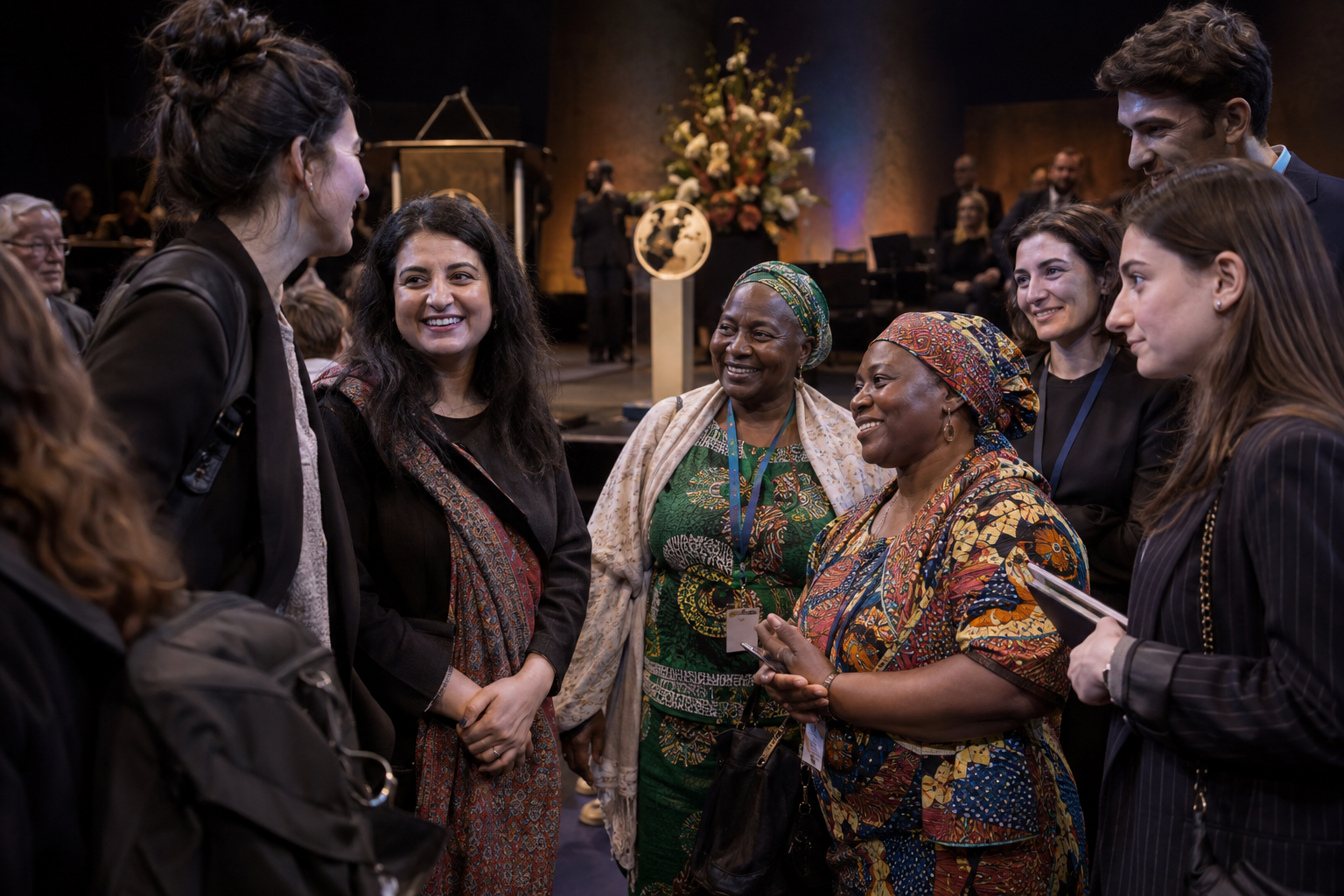
The Right Livelihood Award, often described as an “Alternative Nobel,” has honored four recipients for work intended to advance justice, human rights and peace. The Sweden-based award was established in 1980 by Swedish-German philanthropist Jakob von Uexkull to recognize achievements in areas such as the environment and international development that the Nobel Prizes might overlook. This year’s winners were selected from 200 nominations spanning 72 countries, and the foundation said they share a commitment to resisting systems that marginalize people.
One recipient is AI researcher Timnit Gebru, founder of the Distributed AI Research Institute. The award recognizes her scrutiny of bias in artificial intelligence and her challenge to concentrated power in the field. In 2020, while co-leading Google’s Ethical AI team, Gebru co-authored research on risks of bias in large language models. The article says Google dismissed her after she refused to retract the paper or remove her name without certain guarantees.
Pakistani lawyer Jalila Haider was recognized for defending vulnerable communities against state repression, discrimination against women and ethnic violence. She is the first female lawyer from her Hazara community, and the organization says her work has secured justice for thousands, including minorities and refugees.
The Rural Women’s Assembly, a network of more than 178,000 small-scale farmers across 11 Southern African countries, was honored for defending land, seeds and bodily autonomy. Its work includes preserving local seed varieties and traditions of seed saving and exchange.
The fourth recipient, the Georgian Young Lawyers’ Association, was recognized for supporting democracy and civic power amid an autocratic crackdown. Founded in 1994, the group was described by the foundation as a moral compass of Georgian society.
Entities: Right Livelihood Award, Timnit Gebru, Distributed AI Research Institute, Jalila Haider, Rural Women’s Assembly • Tone: neutral • Sentiment: positive • Intent: inform
30-09-2026
The 2026 Right Livelihood Award, often described as the “alternative Nobel Prize,” will honour four women and women-led organisations selected from 200 nominees across 72 countries. The awards recognise work confronting authoritarian rule, patriarchal violence and the unchecked development of artificial intelligence. The laureates will receive their awards in Stockholm on 1 December.
Pakistani human rights lawyer Jalila Haider is recognised for becoming the first female lawyer from the Hazara community and for challenging ethnic, state and patriarchal persecution. The Rural Women’s Assembly is honoured for building a movement among rural women in southern Africa, helping them defend their land, seeds and bodily autonomy against corporate interests and patriarchal exploitation. The Georgian Young Lawyers’ Association is recognised for defending Georgian democracy and civilian control of power despite political repression. Ethiopian-born computer scientist Timnit Gebru is honoured for challenging concentrated power in artificial intelligence and helping develop digital technologies grounded in justice, lived experience and human agency.
The award’s jury says the laureates share a commitment to standing up for people pushed to society’s margins and to confronting entrenched power structures. Established in 1980 by German-Swedish writer and philatelist Jakob von Uexkull, the Right Livelihood Award recognises practical solutions to urgent problems facing humanity and the planet. In addition to the prize, it provides long-term support intended to help recipients expand and promote their work.
Entities: Right Livelihood Award, Jalila Haider, Rural Women's Assembly, Georgian Young Lawyers' Association, Timnit Gebru • Tone: analytical • Sentiment: positive • Intent: inform
30-09-2026
The France 24 program description previews three stories in an edition focused on Africa. First, it reports that Africa’s richest man has broken ground on a $16 billion oil refinery in Kenya. The description does not name the businessman or provide further details about the refinery. Second, it says that university programming in Cameroon is being overshadowed by uncertainty as lecturers continue an indefinite strike; it offers no information about the strike’s demands, effects, or prospects for resolution. The edition’s featured interview is with Ethiopian-born computer scientist and AI ethicist Timnit Gebru, who is being honored with Sweden’s Right Livelihood Award, described here as an “alternative Nobel.” The blurb connects the recognition to Gebru’s work examining how bias influences artificial intelligence. It does not give further details about her research, the award citation, or the interview itself. The item is therefore a brief program preview rather than a full report: it identifies the subjects and central themes of the segment but provides little supporting context or additional reporting. The listed contributors are Georja Calvin-Smith, Antonia Cimini, Sam Olukoya, and Indira Ayuk.
Entities: Timnit Gebru, Georja Calvin-Smith, Antonia Cimini, Sam Olukoya, Indira Ayuk • Tone: neutral • Sentiment: neutral • Intent: inform