30-07-2026
Australia has launched legal action against Telegram, accusing the messaging platform of failing to remove extremist and pro-terror content, including material linked to the Christchurch mosque shootings and other violent attacks. The case, brought by eSafety Commissioner Julie Inman-Grant, alleges Telegram did not meet its safety obligations under Australia’s Online Safety Act and could face a fine of up to A$54.6 million if it is found in breach. Inman-Grant said her agency had spent months seeking cooperation from Telegram after beginning inquiries in March 2024, but encountered prolonged unresponsiveness before the company eventually engaged.
The regulator argues that Telegram maintained a permissive environment in which extremist content was easy to find, potentially normalizing, desensitizing, or even radicalizing users, and in some cases helping to plan attacks. Among the examples cited were videos of the 2019 Christchurch mosque shootings, the 2022 Buffalo shooting, and terrorist execution videos. Inman-Grant said the issue was especially concerning in the wake of the Bondi Jewish festival attack in December, and emphasized that digital platforms must meet their obligations to protect the public.
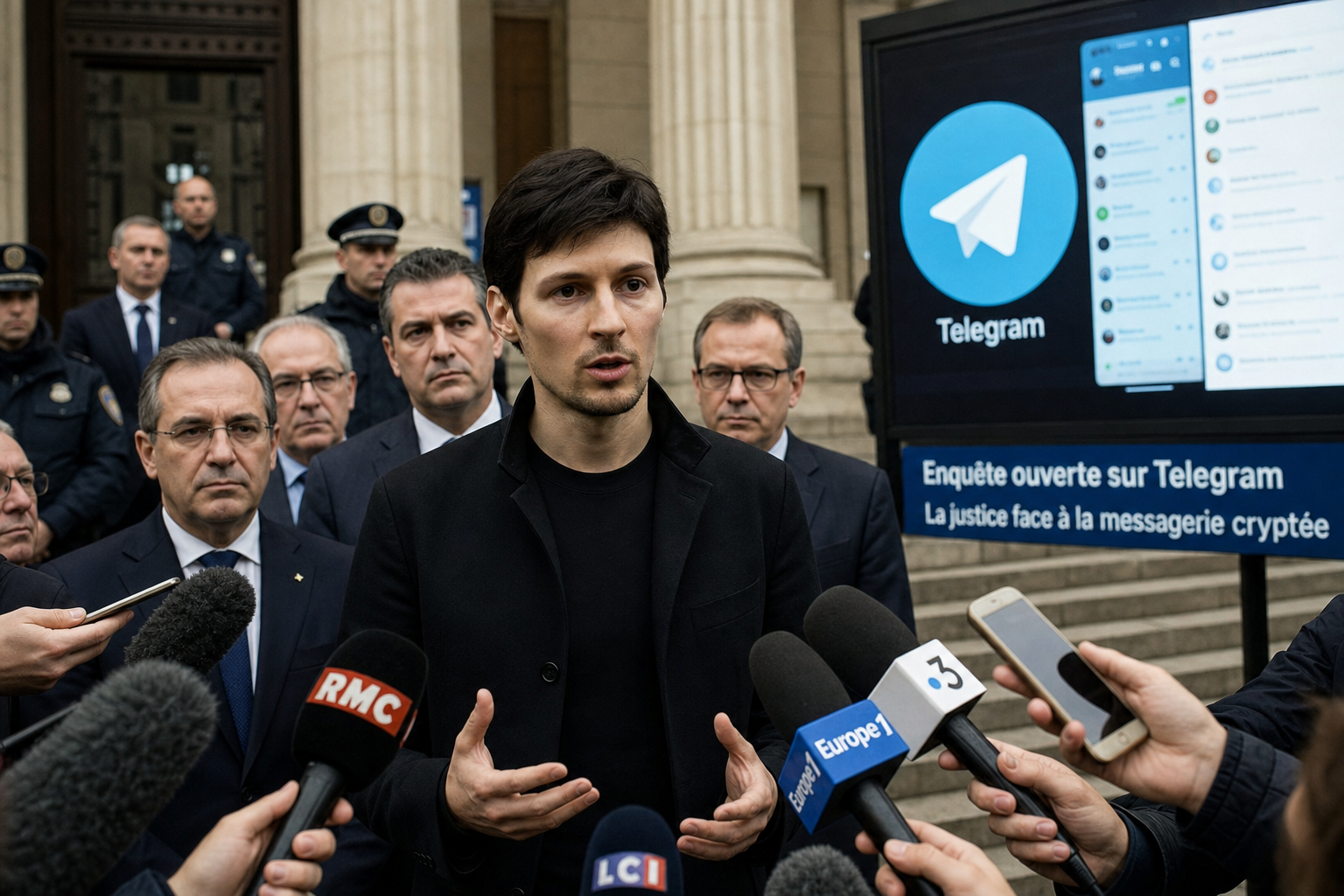
Telegram rejected the allegations, saying its anti-terrorism measures are extensive and well documented, and promised to contest the matter in court. The article also notes broader global scrutiny of Telegram’s founder Pavel Durov, including recent legal action in Russia and an ongoing investigation in France over the platform’s moderation practices. Australia’s regulator has already fined Telegram previously for delays in responding to questions about child abuse and extremist material, underscoring the government’s escalating pressure on the company.
Entities: Australia, Telegram, Julie Inman-Grant, eSafety commissioner, Online Safety Act • Tone: urgent • Sentiment: negative • Intent: inform
30-07-2026
Russia has charged Telegram founder Pavel Durov with facilitating terrorism, alleging that the messaging platform has been used by Ukrainian secret services to recruit people and organize sabotage inside Russia. The FSB, Russia’s domestic security service, said Telegram channels, chats, and bots were being used to prepare and coordinate acts of sabotage and terror and that the company had failed to remove them. An international arrest warrant has been issued for Durov, who has lived outside Russia for years and holds French and UAE passports. The move comes after Durov publicly criticized Russian authorities for trying to restrict access to Telegram and after years of tension between the platform and governments over moderation, privacy, and security concerns.
The article places the charge in a broader context: Telegram is extremely popular in Russia, Ukraine, and globally, and Russian authorities have increasingly restricted internet freedom. It notes that Durov left Russia in 2014 after refusing to shut down opposition communities on his earlier platform, VKontakte. The story also references his 2024 arrest and investigation in France over alleged failure to moderate criminal activity on Telegram, underscoring the international scrutiny the platform has faced. Overall, the article frames the charge as part of an ongoing clash between Telegram’s privacy-focused model and state demands for control and moderation.
Entities: Pavel Durov, Telegram, Russia, FSB, Ukraine • Tone: analytical • Sentiment: negative • Intent: inform
30-07-2026
Russia’s domestic security agency, the FSB, says it has charged Telegram founder and CEO Pavel Durov with aiding terrorism and placed him on an international wanted list, escalating Moscow’s pressure on one of the country’s most widely used messaging platforms. The allegations are tied to Telegram channels, chats, and bots that the FSB claims have been used by Ukrainian intelligence and extremist or terrorist groups to coordinate sabotage, terrorism, cyberfraud, and other attacks inside Russia. The move is part of a broader Kremlin campaign to tighten control over the internet and restrict foreign platforms that do not comply with Russian demands.
The article places the charges in the context of Russia’s long-running efforts to limit encrypted and independent communication services. Telegram has already been restricted in Russia, while other major platforms such as Facebook, Instagram, X, Signal, Viber, WhatsApp, and YouTube have faced bans, blocks, or throttling. At the same time, Russia has promoted its state-backed MAX messaging app, which critics say could be used for surveillance because it shares data with authorities and lacks end-to-end encryption.
Durov, who was born in Russia but now lives in Dubai and holds French and UAE citizenship, has denied wrongdoing and previously accused Russian authorities of fabricating the case to suppress privacy and free speech. He also faces separate legal trouble in France over alleged illicit activity on Telegram. The article frames the Russian charges as part of a wider struggle over digital control, security, and civil liberties.
Entities: Pavel Durov, Telegram, FSB (Federal Security Service), Russia, Ukraine • Tone: analytical • Sentiment: negative • Intent: inform