29-09-2026
Maricarmen Abascal, an 87-year-old disabled pensioner whose eviction became a symbol of Spain’s housing crisis, may return to her Madrid apartment under a proposed new rental agreement, her lawyer says. Abascal was forcibly removed from the home on a stretcher on 23 September and later admitted to hospital. The eviction provoked widespread public anger and protests, including a march by tens of thousands of people in Madrid demanding stronger tenant protections and more affordable housing.
Abascal’s family first rented the apartment in 1956, and she remained there after her parents died. Her rent had been capped, but investment firm Urbagestión, which bought the property in 2018, raised it from €500 a month to €2,650. The firm later offered a reduced rent of €1,650, still beyond reach for Abascal, whose monthly pension is €1,350. Courts had blocked three earlier eviction attempts.
Lawyer Beatriz Duro said the prospective agreement reflected goodwill from both sides and would allow Abascal to pay a rent similar to what she had paid before, avoiding a major increase. The deal has not yet been signed; Abascal is being treated for exhaustion and will sign when she feels better. Duro described the agreement as the result of public mobilisation. Supporters welcomed the outcome as a victory but said they would continue campaigning against similar evictions and for affordable homes.
The case comes amid a broader shortage of housing in Spain. The Bank of Spain estimates that the country lacks 700,000 homes, based on the difference between demand and new construction. Prime Minister Pedro Sanchez has promised housing relief measures, while his Socialist Party, which does not hold a parliamentary majority, is seeking to pass a law in response to public outrage.
Entities: Maricarmen Abascal, Beatriz Duro, Pedro Sanchez, Urbagestión, Bank of Spain • Tone: neutral • Sentiment: neutral • Intent: inform
29-09-2026
Spain’s coalition government has approved emergency housing measures after protests over the eviction of 87-year-old Maricarmen Abascal from her Madrid apartment. The proposals include suspending evictions until 2030, extending rental contracts until 2028, imposing stricter rules on short-term and room rentals, and barring investment firms from buying homes. The measures take effect immediately but must win congressional approval within 30 days; the government hopes to hold a vote as soon as Friday.
Health Minister Mónica García said the package could help more than five million people and credited public mobilisations with making the measures possible. Housing Minister Isabel Rodríguez urged lawmakers to support the decrees, while Social Rights Minister Pablo Bustinduy called them a first step toward wider social and economic change. The coalition’s Sumar partner pushed for a strong response, contributing to tense negotiations with Prime Minister Pedro Sánchez’s Socialists.
Passage through Congress is uncertain. Sánchez’s government lacks a majority, and the Junts party, whose support may be needed, objects to treating small property owners like large investment funds. Junts spokeswoman Míriam Nogueras argued that the proposals risk unfairly grouping together institutional investors and people who have put personal savings into a home or business. The government has previously failed to get right-leaning parties to approve housing measures.
Abascal’s eviction became a rallying point for protests across Spain. She was removed from her apartment on a stretcher and hospitalized, but her lawyer said she had reached an agreement with the property owner that could allow her to return. Her family had rented the flat since 1956; after Urbagestión bought it in 2018, the rent rose beyond what Abascal could afford on her pension. Activists say the campaign is not over and have called for further demonstrations.
The protests come amid a severe housing shortage and rising costs. The Bank of Spain estimates the country lacks 700,000 homes. National statistics show house prices rose 12.2% in the year to the second quarter of 2026, while Idealista reported rental costs increased 8.5% in 2025. Madrid and Barcelona were Spain’s most expensive rental markets, at €22.70 and €23.80 per square metre respectively. The article concludes that the package’s fate will depend on whether public pressure can overcome political resistance to intervention in the housing market.
Entities: Maricarmen Abascal, Pedro Sánchez, Mónica García, Míriam Nogueras, Spain • Tone: analytical • Sentiment: neutral • Intent: inform
29-09-2026
Spain’s coalition government has agreed on measures intended to address the country’s housing crisis, following nationwide protests sparked by the eviction of 87-year-old María del Carmen Abascal, known as Maricarmen, from her Madrid apartment. The proposed legislation would ban evictions until 2030, tighten rules on short-term rentals and extend existing leases by two years. Health Minister Mónica García of the junior coalition partner Sumar described the measures as an effort to intervene in a speculative housing market and rebalance power between residents and investment funds.
The government approved the measures at a meeting, but they are not yet law. Prime Minister Pedro Sánchez’s government is a minority government and must secure additional parliamentary votes. The ruling Socialists had been negotiating with Sumar and other parties, and Housing Minister Isabel Rodríguez was expected to discuss the proposal at a press conference.
The case that brought the crisis into public view concerns Maricarmen, whose family began renting the apartment in Madrid’s Retiro neighborhood in 1956. After her parents died, she remained the tenant. A real estate company acquired the property in 2018, and the dispute over her tenancy continued for eight years, with the latest eviction attempt being the fourth. Images of the wheelchair user being escorted from the building by riot police and taken to an ambulance spread widely online.
Thousands of people demonstrated in Madrid over the weekend, with protesters setting up tents in Puerta del Sol. The protests reflected wider concerns about housing affordability and shortages that have pushed long-term tenants out of their homes. Maricarmen’s lawyer said on Monday that she would be able to return home, describing the outcome as a result of public mobilization. She added that, if the agreement is signed, it could offer a better way to resolve similar housing disputes.
Entities: María del Carmen Abascal (Maricarmen), Pedro Sánchez, Mónica García, Isabel Rodríguez, Beatriz Duro • Tone: neutral • Sentiment: neutral • Intent: inform
29-09-2026
Spain’s cabinet has approved two decrees intended to address high housing costs and difficulties faced by renters and prospective buyers. The measures come amid growing public pressure, including protests against evictions and the recent removal from her Madrid home of 87-year-old Maricarmen. Housing Minister Isabel Rodríguez called housing the country’s main problem and described the crisis as complex.
The broader decree is organized around four priorities: strengthening protections for vulnerable tenants facing eviction; curbing speculative housing purchases, including activity by investment funds; addressing rental-market abuses such as short-term and room-by-room contracts used to bypass rules; and improving affordability and access to home ownership. The proposals include extending the “social shield” against evictions until 2030, a proposed 10% VAT on tourist apartments, tax breaks for landlords, and a zero-interest “Tu Casa” financing scheme to help eligible people buy their first home. The government also proposes reducing VAT to 4% for protected and publicly developed housing and increasing construction of affordable homes.
A separate decree would provide greater stability and security in rental contracts. The cabinet’s approval followed difficult negotiations within Prime Minister Pedro Sánchez’s coalition, including disagreements involving junior partner Sumar and the Catalan pro-independence party Junts. The government is seeking an extraordinary parliamentary session to move the proposals forward quickly, but their passage still requires congressional ratification.
Housing protests are continuing despite the cabinet decision. The Tenants’ Union and other groups have maintained an encampment at Madrid’s Puerta del Sol and demonstrations have taken place in other cities. Regional authorities have given the central government’s delegation 48 hours to dismantle the encampment and threatened court action if it remains.
Entities: Isabel Rodríguez, Pedro Sánchez, Maricarmen, Spain, Madrid • Tone: analytical • Sentiment: neutral • Intent: inform
29-09-2026
A deal with the owners of her home means 87-year-old Madrid pensioner Maricarmen Abascal can return after being evicted, her lawyer said on Monday. The eviction, which took place the previous Wednesday, drew nationwide attention and sparked protests, intensifying pressure on Spain’s government to address the country’s housing crisis. The article describes unaffordable housing as a long-running problem in Spain, while Abascal’s case has pushed the issue to the forefront of political debate.
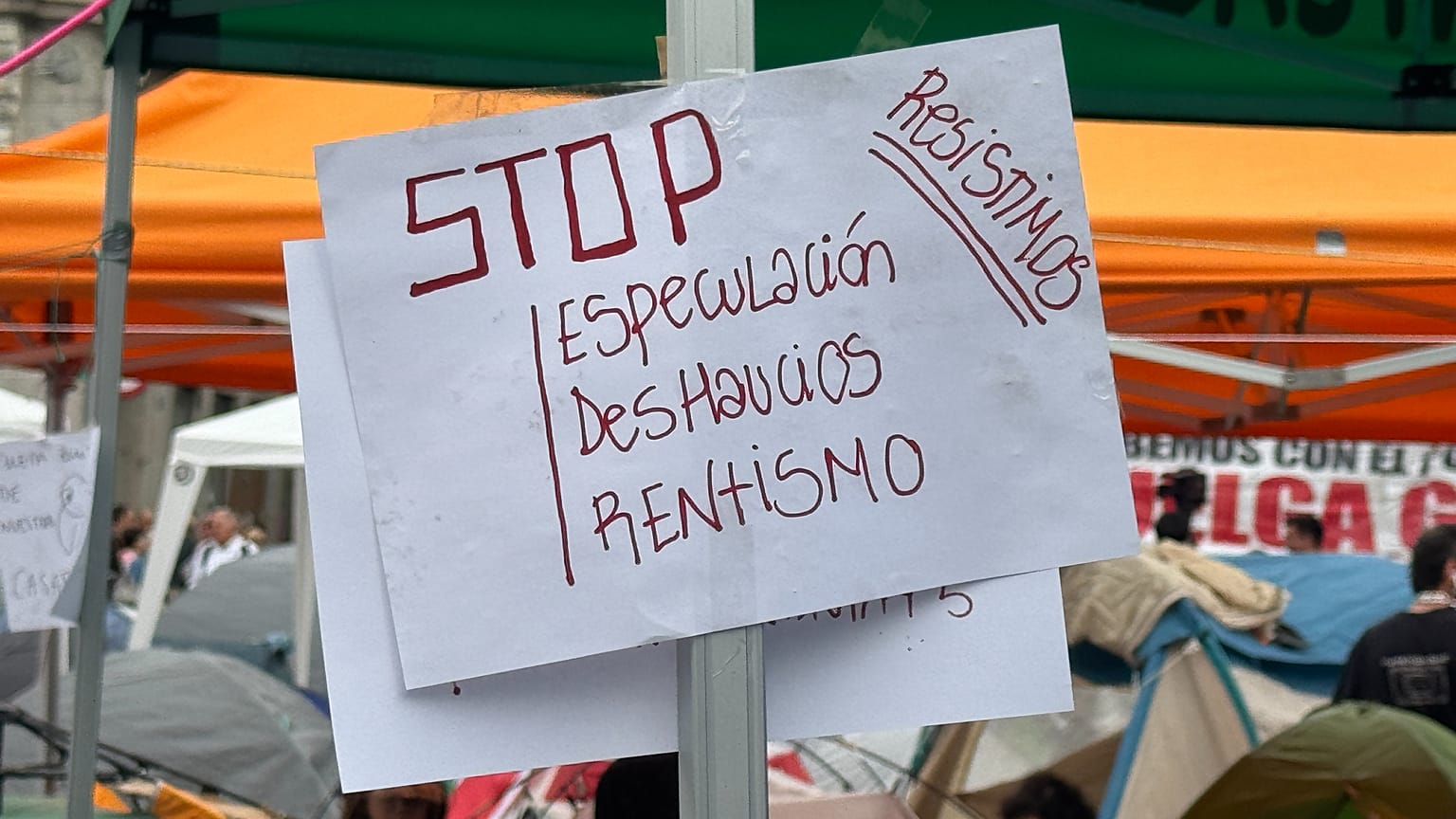
Protests have taken place in Madrid and elsewhere in the country. Demonstrators have pitched roughly 100 tents in the emblematic Puerta del Sol square since Saturday night, and tens of thousands of people have protested nationwide. The headline also links the case to the prime minister’s efforts to seek a new housing law, though the supplied article text does not provide details about the proposed law or the terms of the agreement that will allow Abascal to return.
The report presents the agreement as a resolution to Abascal’s immediate housing predicament, but situates it within a wider national crisis that remains a subject of public protest and political pressure. It does not state whether the deal addresses broader housing affordability or what government measures may follow.
Entities: Maricarmen Abascal, Madrid, Spain, Puerta del Sol, Spanish government • Tone: analytical • Sentiment: negative • Intent: inform
29-09-2026
Maricarmen Abascal, an 87-year-old Madrid pensioner whose eviction became a focus of Spain’s housing protests, will be able to return to her apartment after reaching an agreement with its owners, her lawyer Beatriz Duro said. The deal provides for rent similar to what Abascal had previously paid. She was removed from the home, where she had lived for 70 years, on a stretcher and is being treated in hospital for exhaustion. Her supporters say the property company had raised her rent by 275 percent to €2,650 a month.
The eviction triggered widespread demonstrations amid long-running concerns about high rents, inadequate affordable housing and weak tenant protections. Protesters set up about 100 tents in Madrid’s Puerta del Sol, and tens of thousands demonstrated around the country. In Barcelona, around 2,000 people called on Prime Minister Pedro Sánchez to adopt substantial housing measures. The Catalan Tenants’ Union demanded a rent freeze, indefinite rental contracts and anti-eviction measures, rejecting what it called temporary fixes.
Sánchez’s Socialist government is negotiating a housing package with junior coalition partner Sumar and other parties, but it lacks a parliamentary majority and a similar bill failed earlier in the year. The protests add pressure on the government as it seeks to respond to public anger.
Housing costs have risen sharply: Idealista reported that average rents per square metre had nearly doubled over the past decade, reaching €15.10 in August. Purchase prices were €2,355 per square metre, up more than 50 percent over the same period, according to official figures. The Bank of Spain estimates the country faces a shortage of 700,000 homes. Analysts cite rising demand, including tourism and population growth linked to immigration, alongside Spain’s limited public housing supply.
Entities: Maricarmen Abascal, Beatriz Duro, Pedro Sanchez, Carlota, Carme Arcarazo • Tone: neutral • Sentiment: neutral • Intent: inform
29-09-2026
Spain’s coalition government has agreed on proposals to address the country’s housing crisis, including a proposed ban on evictions until 2030. The announcement came as Maricarmen Abascal, an 87-year-old woman whose forced removal from her apartment prompted protests, accepted an offer to return home. She had been taken from the apartment on a stretcher the previous Wednesday, an episode that brought renewed attention to housing insecurity and eviction practices in Spain.
On Tuesday, hundreds of people were still camped in one of Madrid’s main squares to protest Abascal’s removal. Their demands include legal reforms such as a rent freeze and automatic lease renewals, which protesters say should prevent abusive rent increases. The government’s proposed eviction ban and Abascal’s offer to return home are reported against the backdrop of this public mobilization and broader housing crisis.
The article does not provide details about who made the offer to Abascal, the terms of her return, or the precise scope and legislative status of the government’s proposals. It reports an agreement on proposals rather than an enacted ban. Overall, the report links an individual eviction that sparked demonstrations with calls for broader protections for tenants, while noting a potential policy response from the coalition government.
Entities: Maricarmen Abascal, Spain, Madrid, Spain’s coalition government, Housing crisis • Tone: neutral • Sentiment: neutral • Intent: inform