29-09-2026
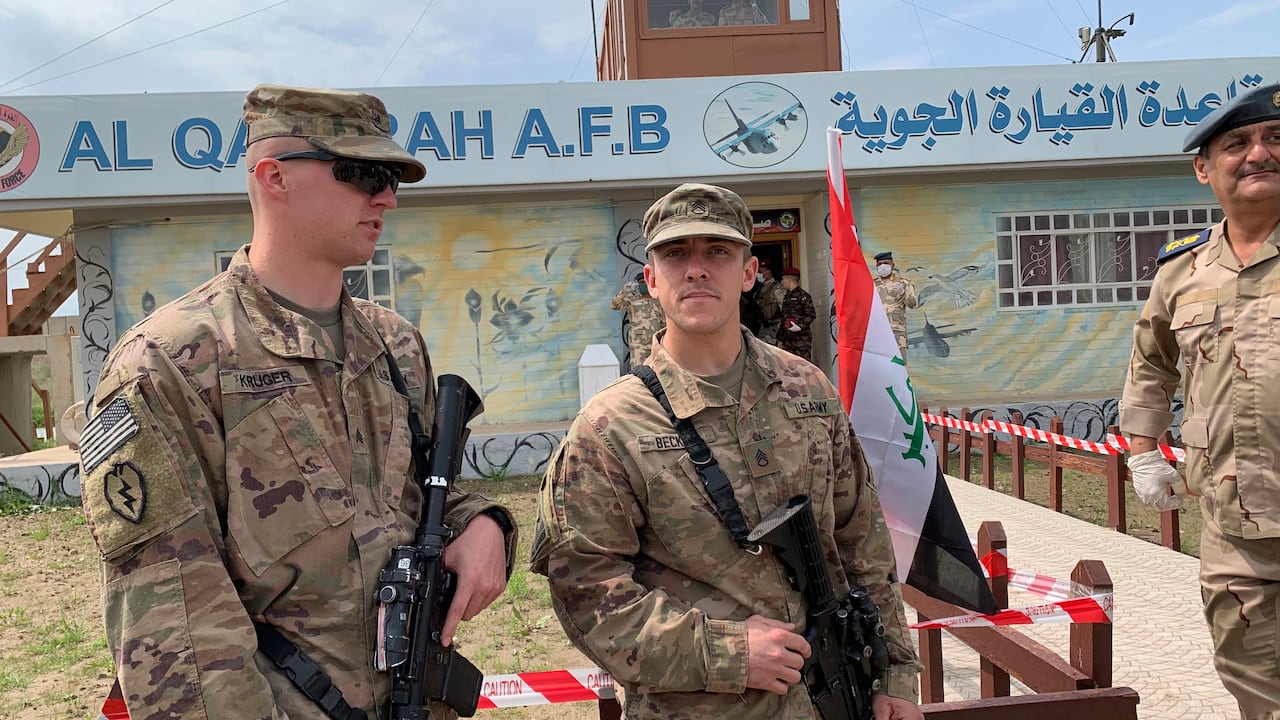
U.S. forces are expected to leave their remaining bases in Iraq by Wednesday, ending a military presence that began with the 2003 invasion and resumed in 2014 to help defeat Islamic State. The withdrawal was agreed to in 2024 under President Joe Biden and is being completed by Donald Trump’s administration. About 4,500 Americans died during more than two decades of war in Iraq, and seven U.S. service members were among 18 listed as killed in the current war against Iran.
Iran and Iran-backed groups have hailed the departure as a victory. Abu Mojtaba al-Yasiri, a commander in the Islamic Resistance in Iraq, called it a defeat for the American project. Iranian officials also say the withdrawal will bring lasting security. But Iraqi security experts and officials warn that leaving could increase Tehran’s influence, create security gaps, and allow Islamic State fighters to regain strength. Abdulrahman al-Zobaie, a Sunni tribal leader from Fallujah, said Iraqis want sovereignty but fear a vacuum if the U.S.-led coalition leaves before the country is ready.
The article traces the U.S. military’s history in Iraq: the 2003 invasion that toppled Saddam Hussein, the first withdrawal in 2011, and the return to help Iraqi forces fight Islamic State from 2014 to 2017. Iraq has maintained ties with both Washington and Tehran, at times becoming a proxy battleground. The U.S. killed Iranian commander Qasem Soleimani in Baghdad in 2020, while Iran-aligned groups have repeatedly attacked U.S. bases.
The departure comes amid a wider war involving Iran and attacks attributed by Washington to Iran-backed Iraqi militias, including a recent strike on a Saudi oil pipeline. Iraqi officials say they are trying to contain militia influence. Meanwhile, security officials say Islamic State retains sleeper cells, and a suspected cell was reportedly preparing suicide attacks to coincide with the U.S. pullout. The article presents the withdrawal as a popular step toward Iraqi sovereignty, but one carrying significant risks for regional influence and security.
Entities: Iraq, United States, Iran, Islamic State (ISIS), Islamic Resistance in Iraq • Tone: analytical • Sentiment: negative • Intent: analyze
29-09-2026
The United States is scheduled to complete the withdrawal of its remaining 2,500 troops from Iraq by September 30, 2026, ending its 12-year participation in Operation Inherent Resolve against ISIS and a period of more than two decades of US military involvement in the country. Iraqi Prime Minister Ali al-Zaidi has described October 1 as a milestone for national sovereignty, with public holidays planned to mark the occasion. The withdrawal follows a 2024 agreement and a broader US effort to reduce its military presence in the Middle East, though Turkey still maintains forces in Iraq.
The departure does not resolve the challenge of bringing Iraq’s armed groups under state control. Baghdad has extended its disarmament deadline to June 30, 2027, proposing a period without attacks followed by a gradual handover of weapons. However, powerful Iran-backed groups, including Kata'ib Hezbollah, Harakat al-Nujaba and Kata'ib Sayyid al-Shuhada, have not indicated they will disarm. Analysts say Iraq’s fragmented politics and the connections between political movements and armed organizations make rapid security-sector reform unlikely.
The withdrawal also raises concerns about the security of Iraq’s minorities and the Kurdistan Region. US personnel and air-defense systems are leaving Erbil, which has faced attacks involving Iran and Iran-backed Iraqi militias. Kurdish officials have sought protection from missile and drone threats, while attacks on Iranian Kurdish opposition groups in Iraq have also increased. Analysts warn that Kurdish, Christian and Yazidi communities may become more exposed to threats. At the same time, observers say US-Iraqi relations are expected to continue, with greater emphasis on economic ties and a more conventional defense relationship, provided Iraq can offer a secure environment.
Entities: Iraq, United States, Ali al-Zaidi, Operation Inherent Resolve, Islamic State (ISIS) • Tone: analytical • Sentiment: neutral • Intent: analyze
29-09-2026
The article reports that US forces are expected to leave their last bases in Iraq by Wednesday, ending a military presence that has lasted more than two decades. The departure follows an agreement reached in 2024 under President Joe Biden and is being carried out by the administration of Donald Trump, despite the United States’ ongoing war against Iran. The article notes that about 4,500 Americans died during the years of conflict in Iraq.
The withdrawal is being celebrated as a victory by Iran and its allies, who already hold significant influence in Iraq. Iraqi security experts warn that the departure could strengthen Tehran’s position by removing a military counterweight to its influence. Jasim al-Bahadli, an Iraqi security analyst who studies armed Shiite groups aligned with Iran, says pro-Iranian militia groups may use the withdrawal to claim political momentum and seek greater sway over security and political decision-making.
The article also raises the possibility that reduced US involvement could give Iran and its allies greater freedom of action, while creating an opening for other adversaries to re-emerge, including Islamic State. The excerpt frames the withdrawal as a consequential shift in Iraq’s security and political landscape, particularly given the ongoing US-Iran conflict. It does not provide further details about the withdrawal timetable, the size of remaining forces, or the views of US or Iraqi officials.
Entities: United States, Iraq, Iran, Tehran, Donald Trump • Tone: analytical • Sentiment: negative • Intent: inform