29-07-2026
The article reports on a powerful earthquake that struck Japan’s Kyushu island on 28 July, highlighting the immediate human and infrastructure impacts. More than 150,000 people were forced to evacuate as the quake triggered widespread disruption, including power outages, damage to roads, collapse of part of a castle wall, and destruction of a footbridge. Authorities also reported that more than 40,000 households lost power. The article notes that several people are missing after a chimney collapsed at a paper factory in Kumamoto prefecture, according to police cited by Japan’s public broadcaster NHK. The piece is presented as a short BBC news video article focused on the moment the quake hit and the consequences that followed. It frames the event as a major natural disaster in Japan, while the surrounding page content includes numerous unrelated BBC links and navigation items.
Entities: Japan, Kyushu island, 28 July, Kumamoto prefecture, NHK • Tone: urgent • Sentiment: negative • Intent: inform
29-07-2026
A powerful earthquake struck southwestern Japan on Tuesday, killing at least 13 people and injuring or leaving several others missing as rescue crews searched damaged buildings, including a shopping mall and a paper mill. The quake, which hit Kumamoto Prefecture near Kyushu Island, caused severe structural damage, fires, road cracks, a derailed cargo train, bridge damage, and widespread power outages. Authorities initially issued a tsunami warning, later lifted it after a couple of hours, and also monitored nuclear facilities, which reported no abnormalities. Prime Minister Sanae Takaichi said an emergency operations center had been established and warned of heat-related risks amid extreme temperatures and ongoing outages. News reports described trapped workers and collapsed sections of Aeon Mall and Nippon Paper Industries’ Yatsushiro plant, where fatalities were confirmed and rescue efforts continued. The article also places the quake in the context of Japan’s high seismic risk, recalling the devastating 2016 Kumamoto earthquakes and the 2011 earthquake and tsunami disaster. Overall, the piece focuses on the immediate human toll, emergency response, infrastructure damage, and the country’s broader vulnerability to major earthquakes.
Entities: Japan, Kumamoto Prefecture, Kyushu Island, Kashima, Aeon Mall • Tone: urgent • Sentiment: negative • Intent: inform
29-07-2026
A powerful earthquake, followed by aftershocks, struck Japan’s southern Kyushu region on Tuesday, causing serious damage and prompting emergency response efforts. CNN reports that authorities were still working to confirm the full extent of the destruction and determine how many people may have been injured or killed. At least one hospital had already reported more than 50 injuries, according to public broadcaster NHK. The article’s focus is on the immediate aftermath of the quake and the uncertainty surrounding trapped individuals in a collapsed mall, as officials assess the situation and begin rescue and damage evaluation efforts. Although the page includes many other video links and unrelated headlines, the core story is a developing disaster report centered on the earthquake’s impact in Kyushu and the potential for additional casualties.
Entities: Japan, Kyushu region, earthquake, aftershocks, collapsed mall • Tone: urgent • Sentiment: negative • Intent: inform
29-07-2026
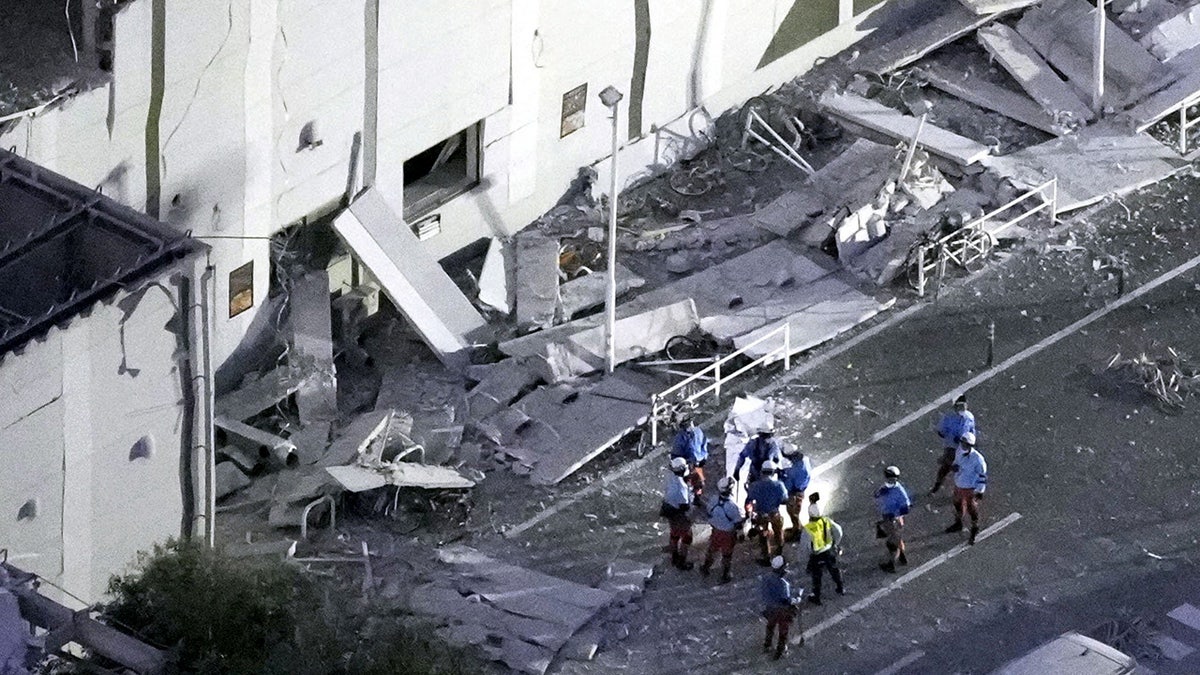
A powerful earthquake in Japan’s Kumamoto Prefecture damaged a newly rebuilt Aeon Mall, causing a major explosion and leaving dozens of workers unaccounted for. The mall had only recently reopened after years of reconstruction following the catastrophic 2016 Kumamoto earthquake, making the destruction especially striking as a symbol of the region’s recovery. According to the article, the quake struck near Kumamoto and prompted a brief tsunami advisory, multiple fires, and temporary closure of Kumamoto Airport. About 200 shoppers were evacuated safely before the explosion, but the blast later tore through the building, collapsing exterior walls and exposing the steel frame. Local reports said 20 to 30 employees were missing, while rescue teams initially could not enter due to aftershock risks. Witnesses reported smelling gas before the explosion, raising concerns about whether the blast was triggered by a gas leak or other infrastructure damage. The article also places the mall in context as a major commercial hub with millions of annual visitors and a symbolic part of the area’s post-2016 rebuilding effort. The piece emphasizes the continuing danger from aftershocks, the uncertainty over the missing workers, and the emotional shock of seeing a recovery landmark destroyed again so soon after reopening.
Entities: Aeon Mall, Kumamoto Prefecture, Japan, Kumamoto, 2016 Kumamoto earthquake • Tone: urgent • Sentiment: negative • Intent: inform
29-07-2026
Rescue teams in southwestern Japan searched Wednesday for people still trapped after a magnitude 7.1 earthquake struck the Kumamoto area on Kyushu, killing at least 13 people and leaving others missing. Soldiers and emergency workers combed through a damaged shopping mall and collapsed homes, while officials warned that time was running short for survivors who might still be buried. The quake caused widespread disruption: bullet train service remained suspended, some airport operations were still affected, and tens of thousands of homes lost electricity or gas. More than 9,000 residents evacuated to shelters, and authorities worked to provide cooling and other support as a heat wave pushed temperatures above 32 Celsius. The Japan Self-Defense Forces joined rescue operations at the Aeon Mall in Kashima, where an explosion believed to have been caused by a gas leak had collapsed the second floor and trapped people. At a factory in Yatsushiro, a collapsed chimney also left people under debris, with seven still feared trapped as of Wednesday. Officials removed survivors and recovered bodies as the government prepared to send food and other necessities to hard-hit areas. The article also notes damage to Kumamoto Castle and recalls the 2016 Kumamoto earthquake, which killed at least 50 people, underscoring the region’s vulnerability to major seismic events.
Entities: Japan, Kumamoto, Kyushu, Kashima, Yatsushiro • Tone: urgent • Sentiment: negative • Intent: inform
29-07-2026
Japan’s rescue crews rushed to find survivors trapped in collapsed buildings after a powerful 6.8-magnitude earthquake struck Kumamoto Prefecture in southwestern Japan, killing at least 13 people and leaving the death toll likely to rise. More than 60 aftershocks shook Kyushu, Japan’s southernmost main island, complicating emergency operations and increasing fears for those still missing. Reports described people trapped in a shopping mall in Kashima, a paper plant, and other damaged structures, prompting a large-scale response involving firefighters, police, and 3,600 military personnel.
Officials said rescue efforts were especially urgent at the heavily damaged mall, where eight people had been pulled from the rubble by Wednesday morning; two women in their 20s were confirmed dead, one person was in cardiac arrest, and five others had non-life-threatening injuries. Governor Takashi Kimura said rescue operations remained arduous and unpredictable, while Prime Minister Sanae Takaichi described the effort as a race against time and pledged to mobilize all available resources. Local authorities also reported five people in cardiopulmonary arrest and at least seven others unaccounted for. Hospitals were treating around 250 quake-related injuries.
Beyond the human toll, the quake caused widespread damage to roads, bridges, buildings, and historic sites, including Kumamoto Castle. Fires broke out in Kumamoto City, and infrastructure disruptions were widespread, with tens of thousands of households losing power or water. Rail service and expressways were suspended or closed, though Kumamoto Airport planned to resume normal operations. The article notes the disaster comes a decade after deadly earthquakes in the same prefecture killed more than 270 people, underscoring the region’s vulnerability.
Entities: Kumamoto Prefecture, Kyushu, Japan, Kashima, Kumamoto City • Tone: urgent • Sentiment: negative • Intent: inform
29-07-2026
A powerful 6.8-magnitude earthquake struck Kumamoto prefecture in southern Japan, killing at least two people and injuring more than 100, while leaving others trapped and feared dead inside a collapsed shopping mall. The quake, which hit late on Tuesday afternoon on Kyushu island, caused widespread damage including power outages, road and bridge destruction, building collapses, fires, and transport disruption. Rescue workers pulled eight people from Aeon Mall Kumamoto overnight; two women in their 20s were confirmed dead, one person was reported in cardiopulmonary arrest, and five others were injured. Authorities also reported that about 300,000 people were told to evacuate, with more than 60 aftershocks recorded and further strong tremors and landslides expected over the following week. Prime Minister Sanae Takaichi said emergency responders were working to rescue survivors and assess damage. The article situates the disaster within Japan’s high earthquake risk, referencing the country’s seismic history, including the devastating 2016 Kumamoto quake and the 2011 earthquake and tsunami. The earthquake also affected factories, telecom networks, rail services, and airports, while the military deployed personnel and aircraft for relief operations.
Entities: Japan, Kumamoto prefecture, Kyushu island, Aeon Mall Kumamoto, Sanae Takaichi • Tone: urgent • Sentiment: negative • Intent: inform
29-07-2026
A powerful earthquake struck Japan’s southern Kyushu island, killing at least 13 people, injuring hundreds, and triggering a large-scale rescue and relief operation as authorities raced to find survivors. The quake, which hit Kumamoto prefecture on Tuesday afternoon and registered a maximum 7 on Japan’s shindo intensity scale, caused widespread disruption, including power and water outages, damage to roads and bridges, fires, building collapses, and the suspension of transport services. Rescue crews searched key disaster sites such as a collapsed chimney at a paper mill and a damaged shopping mall, where deaths and possible gas-related explosions were reported. Japan’s military mobilized thousands of personnel and aircraft to assist, while officials warned of further strong aftershocks and landslides for up to a week. More than 9,000 people sought refuge in evacuation centers, and temperatures above 35C raised concerns about heatstroke among those without electricity or water. The article also places the event in the broader context of Japan’s high earthquake risk, strict building standards, and memories of previous devastating quakes in Kumamoto and the 2011 Tohoku disaster.
Entities: Japan, Kyushu, Kumamoto prefecture, Kumamoto city, Yatsushiro • Tone: urgent • Sentiment: negative • Intent: inform