26-09-2026
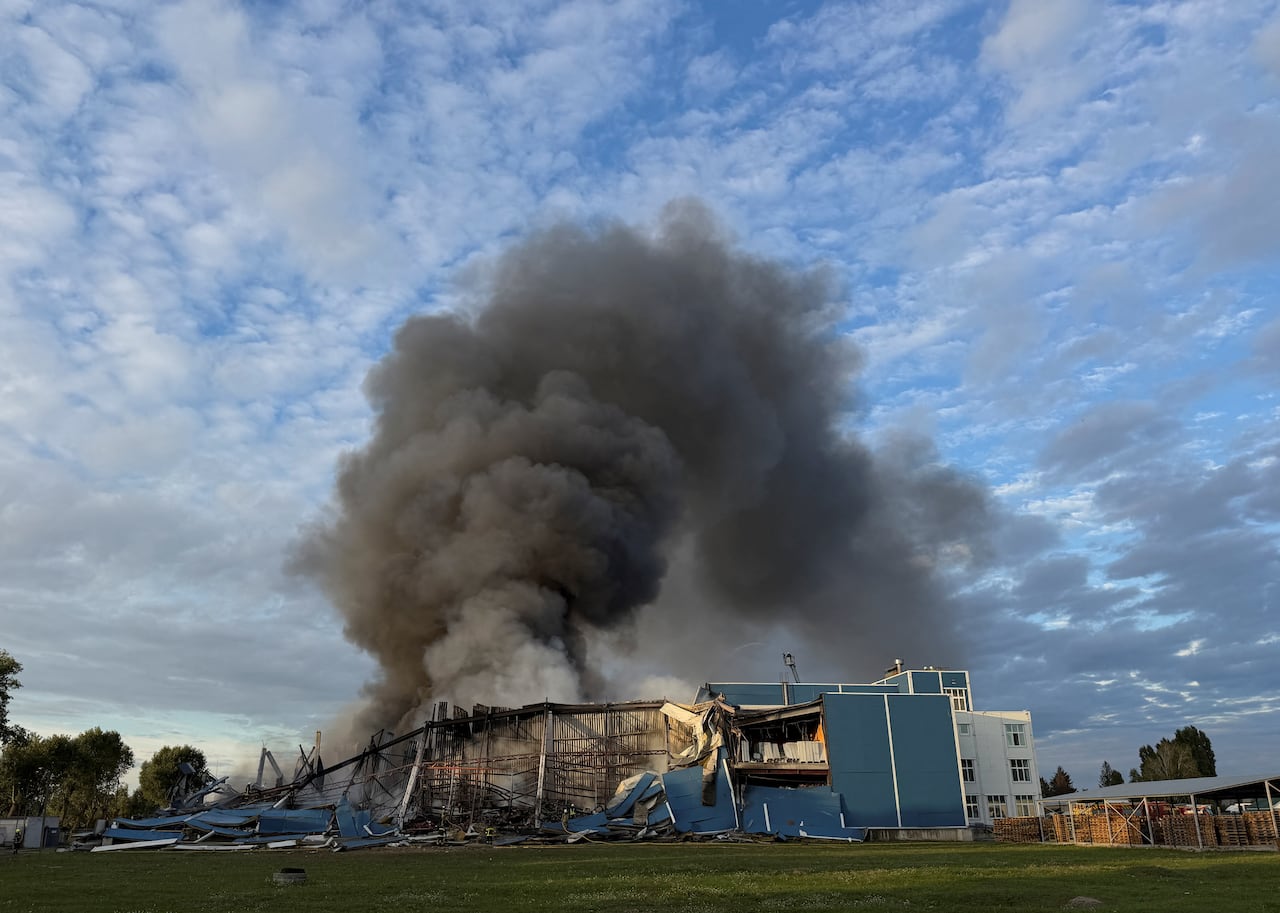
ArcelorMittal said it would shut down production at Ukraine’s largest steel plant after four Russian strikes in five weeks caused extensive damage and killed five workers. The company told the Ukrainian government that safe and sustainable operations were no longer possible. The southeastern plant employs about 12,500 people and 3,500 contractors, and its closure is another setback for a steel sector that once generated 15 per cent of Ukraine’s exports. The industry is also facing pressure from Russian attacks and restrictions from the European Union, Ukraine’s largest trading partner.
The shutdown comes as Russia has intensified attacks using ballistic missiles and jet-powered drones against businesses, logistics networks, Black Sea ports and civilian infrastructure. The strikes are reducing tax revenues and widening the Ukrainian government’s budget gap as it funds the war. Friday’s attacks on Kyiv killed seven people, including a 14-year-old boy, and injured dozens. Mayor Vitali Klitschko reported 59 injured, with 25 hospitalized and one in serious condition. Zelenskyy condemned the attacks, including a drone strike on a food warehouse used by McDonald’s, and called for an international response. A Kyiv resident described the near-constant drone attacks as making her feel she was “living under a gun.”
The article also describes Ukrainian strikes on Russian defence and energy facilities, including attacks on oil refineries and a defence enterprise. Russian President Vladimir Putin accused Ukraine of attacks “on every front” and said Moscow was considering its response, while also saying peace talks and a ceasefire remained possible. Russia denies targeting civilians. The UN reported at least 200 civilian deaths in Ukraine during September and damage to homes, hospitals, shops and workplaces. Overall, the article presents the steel plant’s closure as one example of the growing human and economic costs of escalating air attacks on both countries.
Entities: ArcelorMittal, Ukraine, Russia, Kyiv, Volodymyr Zelenskyy • Tone: analytical • Sentiment: negative • Intent: inform
26-09-2026
Russia is increasingly using jet-powered drones to strike Kyiv and other parts of Ukraine. Their higher speeds and flight altitudes make them harder to intercept than earlier piston-engine Shahed-style drones. One drone struck a Kyiv residential high-rise on a Friday morning, killing a 14-year-old boy and injuring others; debris at the site included what appeared to be a jet engine. Ukrainian officials say the newer drones can exceed 600 km/h, and police explosives expert Volodymyr Khomenko estimates that about half of the drones Russia is currently launching are jet-powered. Ukraine’s Air Force reported 2,800 such launches in August, nearly twice July’s total.
Ukraine’s air defences—including mobile gun and missile teams, fighter jets such as F-16s, and interceptor drones—have had less success against the faster models. The Air Force says it intercepts about 60 per cent of jet-powered drones, compared with more than 90 per cent of older models. Interceptor-drone operators say the targets can be difficult to spot and track on video feeds, and existing interceptors are not fast enough. The quieter engines also give residents less warning: unlike older drones’ motorcycle-like buzz, the new ones may produce a whooshing sound.
Ukraine is developing faster interceptors, but the technology remains in trials. President Volodymyr Zelenskyy has said production of new designs is being accelerated. Canadian interceptor pilot Cory Woods describes the rapid changes in drone tactics as a continual contest in which both sides adapt. He argues that Ukraine must also be able to strike the factories and launch sites behind Russia’s drone campaign, rather than focusing only on intercepting individual weapons. The article presents the evolving threat, its effects on civilians, and the technical and strategic challenges Ukraine faces.
Entities: Ukraine, Russia, Kyiv, Chernihiv region, Volodymyr Khomenko • Tone: analytical • Sentiment: negative • Intent: inform
26-09-2026
At the United Nations General Assembly, Russian Foreign Minister Sergei Lavrov accused European countries of obstructing peace talks that the Trump administration supports. He said Moscow would achieve the goals of what it calls its “special military operation” and eliminate perceived threats to Russian security, regardless of circumstances. Lavrov’s remarks came amid continued fighting and a deterioration in relations between Russia and Germany. Before his speech, he met German Foreign Minister Johann Wadephul—the first such meeting between the countries’ foreign ministers since before Russia’s invasion. Germany has accused Russia of attempting to orchestrate a drone attack on Leipzig airport, and both countries have ordered the other’s consulate closed. Wadephul told the assembly that Russia’s war threatens Ukrainian lives, statehood and culture, as well as European peace, and urged Moscow to negotiate.
The article reports that attacks by both sides have intensified following the deadliest summer of the war since 2022. Russian strikes killed four people in Ukraine on Saturday, while Ukrainian forces continued drone attacks on Russian oil refineries and industrial sites. U.S.-led efforts have not secured a lasting ceasefire or peace agreement.
President Donald Trump said he hoped Ukrainian President Volodymyr Zelenskyy would “settle” with Russian President Vladimir Putin, and expressed hope that they could reach a deal before winter. Zelenskyy, who had said he trusted the White House could help end the invasion, countered that Russia was escalating its attacks each day. He called for stronger international responses to prevent the war from spreading. The article presents competing statements about diplomacy alongside the continued escalation of military action, without indicating that a peace agreement is imminent.
Entities: Sergei Lavrov, Donald Trump, Volodymyr Zelenskyy, Vladimir Putin, Johann Wadephul • Tone: neutral • Sentiment: negative • Intent: inform
26-09-2026
Russian strikes across Ukraine killed at least six people and injured many others over a 24-hour period, according to regional authorities. In Zaporizhzhia Oblast, two women were killed and seven people wounded, while officials received 86 reports of damage to infrastructure, homes and vehicles. Donetsk reported two deaths and eight injuries, alongside the evacuation of 1,121 people from front-line areas. In Kherson Oblast, one person was killed and three injured; attacks damaged homes and vehicles as well as critical and social infrastructure. A drone strike killed a 69-year-old man in Sumy, where a guided aerial bomb wounded another 10 people. Overnight attacks on Kyiv injured five people.
Ukraine’s air force said Russia launched 173 attack drones overnight. Ukrainian air defenses reported shooting down or neutralizing 134 drones, while strikes were recorded at 19 locations. Foreign Minister Andrii Sybiha also accused Russia of carrying out a “double strike” on a logistics facility serving McDonald’s. He said the attacks disrupt daily life, damage businesses, threaten jobs and discourage international investment.
The attacks came amid heightened concern in Europe over security and suspected Russian hybrid operations. Russian President Vladimir Putin told reporters in Saint Petersburg that Moscow was not preparing for hostilities with Europe and said there was no real reason to escalate tensions. His comments contrast with warnings from European officials. Estonia, Latvia and Lithuania, which share NATO’s eastern flank, have reported a growing number of drone incursions and related incidents. The developments have raised concerns about airspace security and prompted the European Union to increase efforts to coordinate its response.
Entities: Russia, Ukraine, Andrii Sybiha, Vladimir Putin, Zaporizhzhia Oblast • Tone: neutral • Sentiment: negative • Intent: inform
26-09-2026
At least 16 people were killed in Russian and Ukrainian strikes over a 24-hour period, according to authorities from both countries, as the war entered its fifth year and long-range attacks intensified. Ukrainian officials said Russian strikes killed at least six people in Sumy, Zaporizhzhia and the Dnipropetrovsk region, including a 17-year-old girl. Several people were wounded in Kyiv, a day after a Russian daytime attack there killed seven. Russia said Ukrainian strikes killed four people in the Krasnodar and Belgorod regions. Officials in Russian-occupied areas reported further deaths: a drone attack on a cafe in the Kherson region killed three people, including two young women, while strikes in occupied Zaporizhzhia killed three more, according to Moscow-appointed authorities.
The United Nations has warned of rising civilian casualties as both sides increase attacks on infrastructure and targets far from the front lines. US-led efforts to end the war have not produced a breakthrough, despite President Donald Trump’s prediction that a deal would happen. The Kremlin has repeatedly said it intends to seize the rest of eastern Ukraine.
Ukrainian President Volodymyr Zelensky said Russia was escalating its attacks daily and that Ukrainian air defences intercepted 55 percent of Russia’s jet-powered drones. In Kyiv, residents were left to clear debris from a damaged apartment building. Oleksandr Gorlachov described finding his parents outside their burning home; although their apartment and his mother’s sewing machine were destroyed, his family survived. He said the attacks had left them under constant stress but that he would remain in Kyiv. Another resident, Anastasiia Grygorovych, who had previously fled Russian-occupied Gorlivka, was considering leaving Ukraine altogether.
Ukraine also carried out retaliatory strikes inside Russia. Zelensky said Ukrainian forces hit an oil refinery in Krasnodar and a plant in Rostov that he said supplied Russian forces. He urged Ukraine’s allies to impose further sanctions on Moscow.
Entities: Russia-Ukraine war, Russian and Ukrainian drone and missile strikes, Volodymyr Zelensky, Donald Trump, United Nations • Tone: neutral • Sentiment: negative • Intent: inform
26-09-2026
Russian attacks killed four people in Ukraine on Saturday, September 26, 2026, as the aerial conflict between Russia and Ukraine intensified, according to local officials. Two women died after being trapped beneath rubble when their home was destroyed in Zaporizhzhia; two more people were killed in a separate attack on Sumy. Ukrainian President Volodymyr Zelensky said Russian strikes had hit residential areas in Kyiv and Zaporizhzhia, as well as parts of the Odesa, Sumy, and Kharkiv regions. He called on Ukraine’s partners to respond more strongly, warning that Russia was escalating its attacks.
Earlier in the week, Zelensky appealed at the United Nations for sanctions and trade bans to deprive Russia of revenue used to sustain the war. The article says diplomatic efforts have produced no apparent breakthrough. Meanwhile, Ukrainian long-range drones have targeted Russian refineries and businesses. A drone attack in Russia’s Krasnodar region killed three people and injured two, and caused fires at two industrial sites. Russian media reported that an oil refinery was among the targets.
Russian drones also caused a warehouse fire in the Kyiv region, injuring two people. In Kyiv itself, strikes injured four people and damaged residential and office buildings. Russia’s Ministry of Defense said its attack had damaged a data center supporting cellphone internet services and Starlink satellite communications. The report describes escalating attacks on both sides, with civilian deaths, injuries, and damage to infrastructure, while efforts to end the war remain stalled.
Entities: Volodymyr Zelensky, Veniamin Kondratyev, Kyiv, Zaporizhzhia, Sumy • Tone: neutral • Sentiment: negative • Intent: inform
26-09-2026
Ukrainian President Volodymyr Zelensky said he urged US President Donald Trump to use his discussions with Chinese President Xi Jinping to encourage Beijing to help persuade Moscow to end its invasion of Ukraine. Zelensky, who visited the United States during the UN General Assembly, said he had not yet received a report on Trump’s talks with Xi. He also described possible US-led technical negotiations among American, Ukrainian and Russian delegations, potentially in the United Arab Emirates. Previous trilateral talks produced no significant breakthroughs, and Russian President Vladimir Putin said Moscow would consider any resumption of negotiations in light of Russian interests.
Zelensky welcomed a recently signed US sanctions law targeting Russia, though Trump has not yet implemented its measures. Zelensky said sanctions could pressure Moscow to negotiate. He also said Trump had confirmed that Ukraine would receive licenses to produce Patriot air defense systems, which Kyiv urgently needs to defend against Russian ballistic missiles.
The Ukrainian president discussed preserving Black Sea shipping with leaders from India, Turkey, Egypt and Middle Eastern countries. Ukraine wants Russia to accept a ceasefire that would allow grain and other food exports to resume freely. Zelensky also sought help addressing Ukraine’s budget deficit, saying the European Union and International Monetary Fund would continue financial support. He said much of the funding gap concerns weapons and that future support could include technology-sharing agreements and joint drone production.
The article also reports casualties from overnight attacks. Ukrainian officials said Russian strikes killed five people and injured 11, including a 14-year-old boy in Kyiv. Russian authorities reported one person killed and 21 wounded in Ukrainian long-range attacks. Ukraine said it struck two Russian refineries, while unconfirmed reports described additional drone attacks on Russian industrial sites.
Entities: Volodymyr Zelensky, Donald Trump, Xi Jinping, Vladimir Putin, Dmitry Peskov • Tone: neutral • Sentiment: neutral • Intent: inform
26-09-2026
Russia’s Foreign Minister Sergei Lavrov and Germany’s Foreign Minister Johann Wadephul met on the sidelines of the United Nations General Assembly on September 26, marking the first talks between the countries’ top diplomats since before Russia’s full-scale invasion of Ukraine in 2022. According to the Russian foreign ministry, they discussed bilateral relations and the war in Ukraine.
Wadephul urged Russia to help reach an agreement on grain exports through the Black Sea, where trade has been sharply curtailed in recent months as Russia and Ukraine have targeted each other’s port infrastructure and vessels. Ukraine and its allies are seeking a limited ceasefire covering the Black Sea and attacks on energy infrastructure. Russia has not publicly indicated clear support for those proposals. Wadephul emphasized the urgency of addressing food shortages, particularly in the Global South, and suggested that a pragmatic agreement could enable further steps.
Relations between Moscow and Berlin remain severely strained. Germany is a close ally of Ukraine, and tensions worsened after an attempted drone attack at Leipzig/Halle Airport in August. The German government said it had concluded that Russia was responsible and announced measures including closing a Russian consulate and cultural centre in Berlin. The Russian embassy rejected the accusation, calling it a fabricated provocation and an example of anti-Russian hysteria.
During the meeting, Wadephul also urged Russia to stop escalating tensions with Germany, Europe and NATO. He said that incidents such as the attempted airport attack, or further hybrid attacks, would not weaken Germany’s resolve to support Ukraine.
Entities: Sergei Lavrov, Johann Wadephul, Russia, Germany, United Nations General Assembly • Tone: neutral • Sentiment: neutral • Intent: inform
26-09-2026
German Foreign Minister Johann Wadephul urged Russia to stop escalating tensions with Germany, Europe and NATO during a closed meeting with Russian Foreign Minister Sergei Lavrov at the United Nations on Sept 26. The meeting was the first between the countries’ foreign ministers since Russia launched its full-scale invasion of Ukraine. According to a German diplomat, Wadephul condemned Russia’s aggression against Ukraine and said incidents such as an alleged attempted drone attack on Leipzig airport and other hybrid assaults would not weaken Germany’s support for Kyiv.
The talks came amid deteriorating relations between Berlin and Moscow. Germany accused Russia of orchestrating the attempted airport attack, and both countries ordered the closure of the other’s consulate. European governments have also raised concerns about increased Russian sabotage activity on their territory. Germany remains one of Ukraine’s principal allies, while direct flights between Russia and Germany have been suspended since the invasion.
The German diplomat said the meeting focused on Ukraine and that Wadephul condemned what he described as Russia’s increasingly targeted attacks on Ukrainian civilians. The diplomat also characterized Russia’s military and economic position as untenable, citing heavy Russian military losses and a continuing economic decline. Lavrov, Russia’s longest-serving minister, had recently accused Germany of wanting war again and is described as one of Moscow’s most vocally anti-Western officials.
Russia’s Foreign Ministry spokeswoman Maria Zakharova said Berlin initiated the roughly 20-minute meeting and requested restricted media access and that opening remarks not be recorded. Lavrov was in New York to address the UN gathering of world leaders. The article presents the meeting as a rare diplomatic contact occurring against a backdrop of the Ukraine war, mutual accusations and rising tensions between Russia and Germany.
Entities: Johann Wadephul, Sergei Lavrov, Maria Zakharova, Annalena Baerbock, Germany • Tone: analytical • Sentiment: negative • Intent: inform