26-05-2026
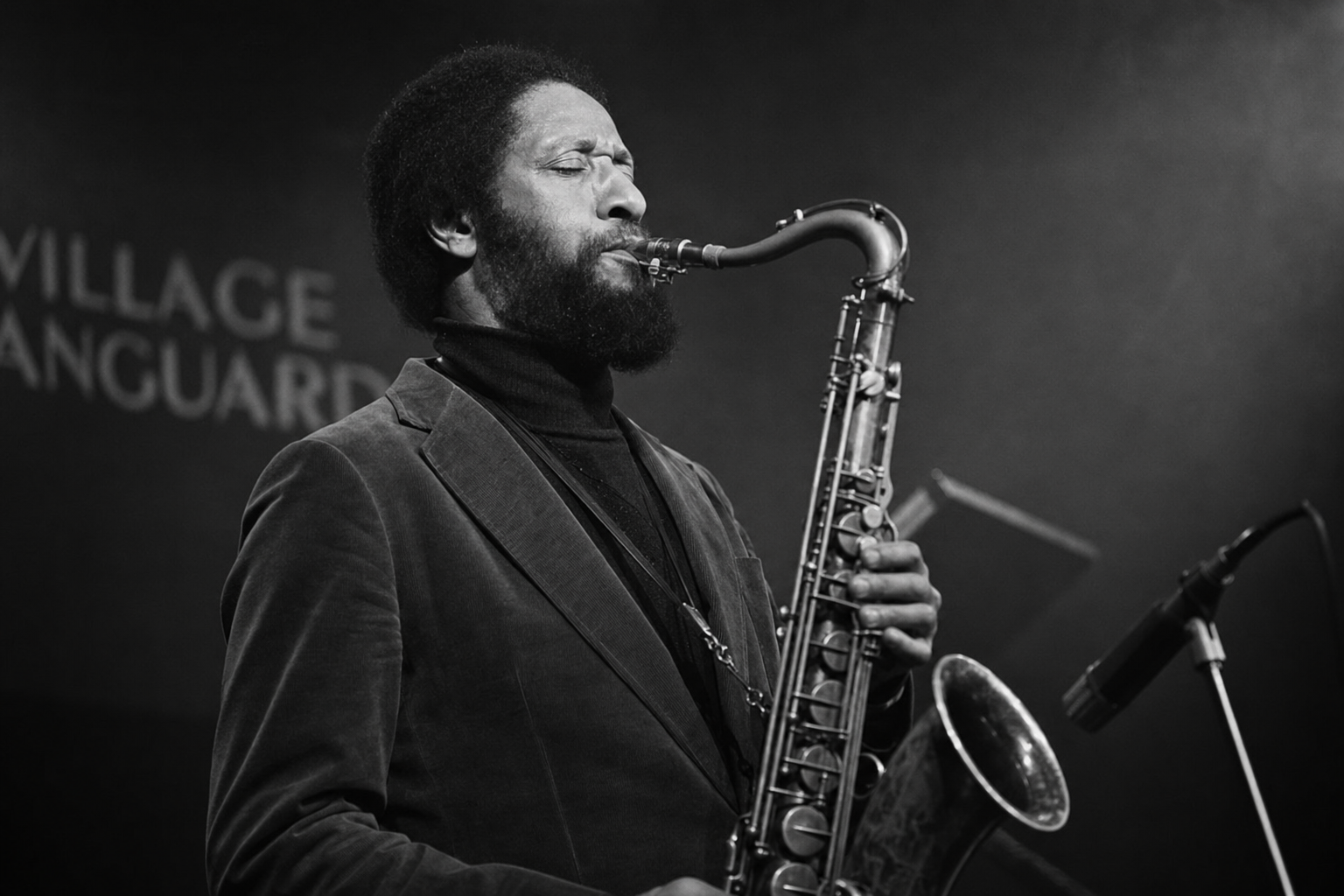
Sonny Rollins, one of jazz’s most celebrated saxophonists and a towering figure in American music, has died aged 95 at his home in Woodstock, New York. Known as the “saxophone colossus,” Rollins built a prolific career beginning in the late 1940s and became renowned for his powerful tone, improvisational brilliance, and long, inventive solos. Over the decades he collaborated with many of the most important names in jazz, including Miles Davis, Charlie Parker, John Coltrane, Art Blakey, Bud Powell, and Thelonious Monk, who mentored him early in his career. The article highlights several milestones in his life, including the release of his landmark 1956 album Saxophone Colossus and his later practice sessions on New York’s Williamsburg Bridge, which inspired the 1962 album The Bridge and even led to calls for the bridge to be renamed in his honor.
Rollins retired in 2014 after respiratory illness ended his performing career, and no cause of death was given. His publicist described him as one of the most honored and influential figures in American music. The article also includes quotations that illustrate Rollins’s spiritual outlook and his lifelong fascination with the saxophone, emphasizing both his artistic philosophy and the immediate impact the instrument had on him as a child. Overall, the piece serves as an obituary celebrating his legacy, influence, and lasting place in jazz history.
Entities: Sonny Rollins, Woodstock, New York, Miles Davis, Charlie Parker, John Coltrane • Tone: neutral • Sentiment: neutral • Intent: inform
26-05-2026
This New York Times music feature, published in the wake of Sonny Rollins’s death at 95, argues that Rollins’s greatness lay less in revolutionizing jazz through a single movement than in his unmatched ability to create spontaneously in the present moment. The article frames him as one of jazz’s most resourceful improvisers, a musician who repeatedly transformed limited or improvised circumstances into classic recordings. It highlights his early masterpieces, such as “Saxophone Colossus,” “Way Out West,” and “A Night at the Village Vanguard,” then traces his artistic development through politically charged work like “Freedom Suite,” his two-year retreat from public performance before returning with “The Bridge,” his collaboration with hero Coleman Hawkins on “Sonny Meets Hawk!,” and his later explorations in freer and more electric settings like “East Broadway Run Down” and “Don’t Stop the Carnival.” The article emphasizes Rollins’s deep repertoire, his calypso influences, his engagement with racial justice, and his lifelong restlessness. Through a selection of 12 essential albums, it presents Rollins as a towering figure who remained inventive, self-critical, and technically fearless across a roughly 65-year career, continually renewing jazz through spontaneous invention.
Entities: Sonny Rollins, Charlie Parker, Miles Davis, Thelonious Monk, Wayne Shorter • Tone: analytical • Sentiment: neutral • Intent: inform
26-05-2026
Sonny Rollins, one of the defining figures of modern jazz and a transformative tenor saxophonist, died at age 95 at his home in Woodstock, N.Y. The article traces his rise from a Harlem-born prodigy to a towering postwar jazz innovator whose bold tone, improvisational daring, and refusal to settle into any one style made him both celebrated and hard to categorize. Rollins emerged in the bebop era but expanded beyond it, incorporating elements of avant-garde jazz, fusion, calypso, and blues while maintaining a fiercely original voice. His landmark recordings in the 1950s, including "Saxophone Colossus," "Tenor Madness," and "The Freedom Suite," established him as one of jazz’s most inventive artists and an important musical commentator on racial inequality. The piece also emphasizes his perfectionism and his dramatic two-year self-imposed hiatus in the late 1950s, during which he practiced on the Williamsburg Bridge to improve his playing. His return in 1961 renewed his stature, and he remained a major presence in jazz for decades, admired for his improvisational brilliance, unpredictability, and artistic independence. The article presents him as both a historic figure and a singular personality whose influence shaped the language of jazz.
Entities: Sonny Rollins, Harlem, Woodstock, N.Y., Terri Hinte, bebop • Tone: analytical • Sentiment: neutral • Intent: inform