24-06-2026
A decade after the United Kingdom voted to leave the European Union, CBS News reports that public opinion has shifted markedly: a majority of Britons now say Brexit was a mistake. The article cites a YouGov poll showing that while some voters still defend leaving, support for Brexit has eroded as the country has experienced years of political instability, economic pressure, and continuing debate over immigration and sovereignty. The piece notes that Britain has had seven prime ministers since the referendum, and that official analyses have linked Brexit to lower productivity and reduced imports and exports, with some estimates suggesting a 6% hit to the economy. It also frames Brexit’s legacy as intertwined with other major shocks, including COVID-19 and the wars in Ukraine and the Middle East.
The article presents a divided national mood. Many pro-EU voices describe Brexit as disastrous and harmful to freedom of movement and family life, while prominent Brexit supporters like Nigel Farage continue to insist that leaving was the correct decision and blame later governments for failing to implement it properly. At the same time, several factors appear to have shifted the electorate: older Leave voters have died, younger and more pro-EU generations are now eligible to vote, and polling suggests substantial interest among Gen Z and the public overall in some form of renewed EU relationship or even rejoining. Despite this shift, the article emphasizes that another referendum appears politically unlikely, because Brexit remains deeply divisive and major politicians are wary of reopening the issue.
Entities: Brexit, European Union, United Kingdom, YouGov, France 24 • Tone: analytical • Sentiment: negative • Intent: inform
24-06-2026
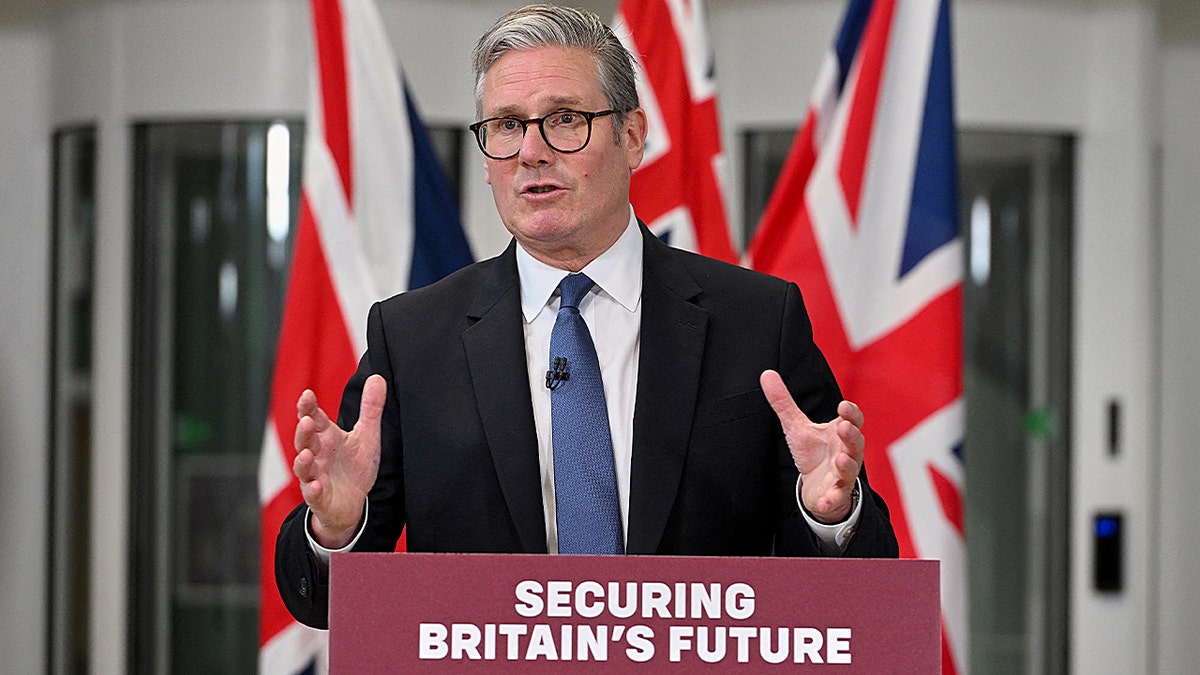
British Prime Minister Keir Starmer announced that he would resign as leader of the Labour Party, a move that will also remove him from the premiership. The article portrays the decision as the culmination of weeks of intensifying pressure after Labour’s poor showing in local elections, deepening internal dissent, and a looming leadership challenge from former Manchester Mayor Andy Burnham. Starmer said he accepted his party’s verdict and would support his successor, while reflecting emotionally on his family and the personal sacrifices of office.
The report explains how Burnham emerged as the likely replacement after winning a seat in the House of Commons, making him eligible to become prime minister under Britain’s parliamentary system. It describes the possibility of either an internal leadership contest or a faster “coronation” if Labour unites behind one candidate. Several Labour figures, including former health secretary Wes Streeting, are shown aligning themselves with Burnham or at least accepting the need for a new direction.
The article also situates Starmer’s downfall in the broader context of Labour’s electoral losses, public frustration over national issues, and criticism that he governed more as a manager than a decisive leader. It notes the role of ministerial resignations, including Defence Secretary John Healey, and references Donald Trump’s criticism of Starmer’s handling of immigration and energy. Overall, the piece frames Starmer’s resignation as the end of a turbulent and abbreviated premiership and the beginning of a major leadership transition within the UK government.
Entities: Keir Starmer, Andy Burnham, Labour Party, House of Commons, 10 Downing Street • Tone: analytical • Sentiment: negative • Intent: inform
24-06-2026
The article examines what Andy Burnham, a senior Labour politician and widely expected future British prime minister, has previously said about President Donald Trump as Burnham emerges as a leading contender to replace Keir Starmer. Starmer announced his resignation after a wave of local-election setbacks and multiple government resignations, leaving Labour to choose his successor. The piece argues that Burnham could soon need to deal directly with Trump, making his past comments politically relevant.
The article collects several examples of Burnham’s criticism of Trump and the broader political movement around him. Burnham has warned that politics in the U.S. was becoming “polarized” and “poisonous,” and he linked Trump to global instability. In a 2024 book, Burnham also suggested that Trump and Nigel Farage had been effective in appealing to voters who feel neglected by mainstream politicians, while arguing that a “new radical Right” had exploited inequality and establishment failure. On the day of the January 6, 2021 attack on the U.S. Capitol, Burnham posted that any UK politician who had supported Trump should be ashamed.
The article also includes a response from the White House, where deputy press secretary Anna Kelly defended Trump and criticized left-wing policies, framing Trump as a corrective to societal decline. Overall, the piece is a political profile and news explainer focused on how Burnham’s past remarks about Trump could matter if he becomes prime minister.
Entities: Andy Burnham, Donald Trump, Keir Starmer, Labour Party, United Kingdom Parliament • Tone: analytical • Sentiment: neutral • Intent: inform
24-06-2026
The article examines the political fallout from British Prime Minister Keir Starmer’s resignation and focuses on Andy Burnham as the most likely successor. Starmer’s departure came after mounting dissatisfaction with the economy and illegal immigration, and attention quickly turned to Burnham, the newly elected MP for Makerfield and longtime Greater Manchester mayor. The piece explains why Burnham is seen as a serious contender: he has a strong profile in Labour’s traditional northern heartlands, won a decisive by-election in a constituency resembling many areas Labour has struggled to retain, and has long positioned himself as a possible alternative leader. At the same time, it highlights the uncertainty around what Burnham would actually do differently from Starmer, noting criticisms that he has not clearly defined his positions on immigration, Brexit, and relations with Europe. The article also explains the mechanics of how a prime minister can be replaced in Britain without a general election, and notes that Labour could install a new leader because it still controls the House of Commons. Overall, the story frames Burnham as a credible but contested figure whose rise could shape Labour’s future and Britain’s next political chapter.
Entities: Keir Starmer, Andy Burnham, Labour Party, Manchester, Greater Manchester • Tone: analytical • Sentiment: neutral • Intent: inform
24-06-2026
The article reports that British Prime Minister Keir Starmer announced he will resign as both prime minister and Labour leader after a mounting revolt inside his party, triggered by poor local election results, ministerial resignations, and intensifying pressure from senior Labour figures. Labour lost about 1,500 council seats and control of more than 25 councils, with Nigel Farage’s Reform UK making major gains in traditional Labour areas and the Green Party also advancing in cities. The article portrays Starmer as politically weakened by a series of missteps and by criticism over his leadership style, particularly his handling of tensions with the United States during the Iran conflict. Trump publicly criticized Starmer after the U.K. initially resisted U.S. requests to use British bases for military operations against Iran, then partially reversed course. That episode fueled perceptions that Starmer was indecisive and weak. The internal crisis escalated when two Labour ministers resigned and called for leadership change, while more than 80 Labour MPs reportedly demanded he step down. Senior cabinet ministers were also said to be urging him to set a departure timetable. Although Starmer is expected to remain in office until a successor is chosen, the article presents his resignation as the result of deep party disunity, electoral failure, and broader doubts about his leadership.
Entities: Keir Starmer, Labour Party, United Kingdom, Nigel Farage, Reform UK • Tone: urgent • Sentiment: negative • Intent: inform