22-05-2026
President Donald Trump announced that the United States will send an additional 5,000 troops to Poland, reversing or complicating an earlier Pentagon decision to cancel a planned deployment of 4,000 troops there. Trump framed the move as a reflection of his relationship with Polish President Karol Nawrocki, a strong Trump ally who had previously received his endorsement during Poland’s election. The announcement comes amid broader signals from the White House that it wants to reduce U.S. troop levels in Europe under an “America First” approach, even as Washington continues to stress a significant military presence on the continent.
The article places the Poland decision in the context of a wider reconfiguration of U.S. forces in Europe. Earlier in the month, the U.S. said it would withdraw 5,000 troops from Germany after tensions between Trump and German Chancellor Friedrich Merz over the war with Iran. It is unclear whether the personnel heading to Poland would come from Germany or represent a separate deployment. The piece also notes that Trump has criticized NATO allies for not joining the U.S. in pressuring Iran and for not sharing more of the burden of European security.
At a NATO foreign ministers’ meeting in Sweden, U.S. Secretary of State Marco Rubio is expected to push allies for greater burden sharing. Rubio has also been asked about possible reductions in U.S. troop commitments in the event of an attack on a NATO country, though the issue remains unresolved. The article also highlights Poland’s close ties to Trump and reminds readers that the U.S. military presence in Germany remains the largest in Europe, with several Republican lawmakers warning that cuts there could send the wrong message to Russia.
Entities: Donald Trump, Karol Nawrocki, Pentagon, White House, Poland • Tone: analytical • Sentiment: neutral • Intent: inform
22-05-2026
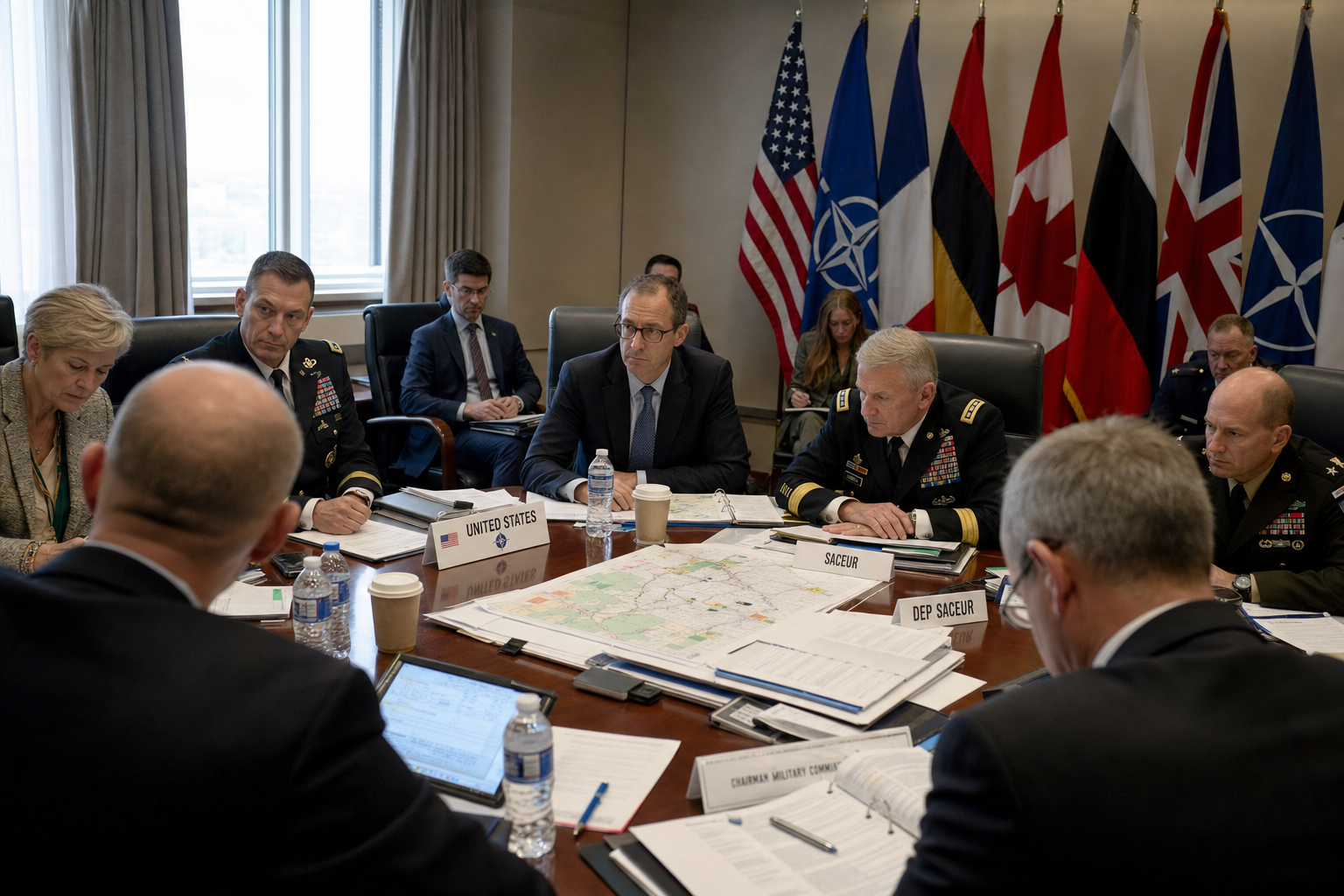
US Secretary of State Marco Rubio met with NATO allies in Helsingborg, Sweden, as the alliance tried to manage rising tensions with Washington after President Donald Trump criticized Europe’s response to the Iran war. The article describes a widening transatlantic rift: Trump and Rubio have expressed anger that European allies did not back the US-Israel campaign against Iran strongly enough, while NATO members are also worried about Washington’s reliability after it abruptly announced troop withdrawals from Germany. European diplomats hope the meeting can reset relations before the July summit in Ankara, but Rubio’s comments suggested little progress so far.
The piece also highlights broader NATO anxieties about Trump’s unpredictable posture, including threats to reconsider US ties to the alliance and the possibility of further troop reductions. NATO Secretary-General Mark Rutte has sought to downplay the impact, insisting the withdrawals are routine and emphasizing that allies are increasing their own defense spending. Trump, meanwhile, announced plans to send 5,000 troops to Poland, framing the move as a show of support for an allied leader he favors. Beyond the immediate crisis, the article says NATO is under pressure to demonstrate European burden-sharing, increase defense-related spending, and expand support for Ukraine. Overall, the story portrays an alliance trying to preserve unity while navigating US pressure, military realignments, and disagreements over the Iran war and Europe’s future role in collective defense.
Entities: Marco Rubio, Donald Trump, NATO, Helsingborg, Sweden • Tone: analytical • Sentiment: neutral • Intent: inform
22-05-2026
President Donald Trump said the United States will send an additional 5,000 troops to Poland, a surprise announcement that deepened confusion among European allies already unsettled by weeks of mixed signals about U.S. troop levels in Europe. The announcement appeared to conflict with prior administration statements indicating a reduction in the American military footprint, including a cut of roughly 5,000 troops across Europe and a canceled deployment of about 4,000 service members to Poland. The article explains that officials had previously described the Poland deployment as temporarily delayed while the Pentagon restructured its European force posture, and that it remained unclear whether Trump’s new statement meant an actual increase in troops, a resumption of the canceled deployment, or simply a different reallocation of forces. The shift drew criticism from lawmakers of both parties, who warned it sent the wrong signal to NATO allies and to Russian President Vladimir Putin amid the war in Ukraine. Polish and U.S. defense officials had recently discussed the issue, and Polish leaders signaled relief after Trump’s announcement. The story also highlights broader concerns among diplomats and NATO officials that the Trump administration’s decisions on troop deployments appear inconsistent and lacking a clear process, creating uncertainty for allies that rely on U.S. commitments.
Entities: Donald Trump, Poland, Europe, NATO, Ukraine • Tone: analytical • Sentiment: neutral • Intent: inform
22-05-2026
President Trump announced that the United States would deploy 5,000 troops to Poland, reversing or overriding a Pentagon move made just a week earlier to cancel that deployment. The decision, posted on Truth Social, surprised Pentagon officials and sparked confusion about whether the military would need to shift forces from elsewhere to accommodate it. Trump suggested the move was tied to Poland’s recent election, highlighting his support for President Karol Nawrocki, a conservative nationalist leader. The announcement deepened frustration among U.S. allies and lawmakers, who had already criticized recent plans to reduce or realign American forces in Europe.
The article traces a series of rapid and conflicting defense decisions over the past three weeks. The Pentagon had said it would withdraw 5,000 troops from Germany and redeploy them elsewhere, while also canceling a Biden-era missile-artillery deployment in Europe. Then it abruptly canceled the planned deployment of more than 4,000 troops to Poland, saying those troops would count toward the drawdown in Germany. That triggered alarm in Poland and criticism in Congress. After more calls with Polish officials, the Pentagon described the reduction as only a temporary delay, but Trump’s Thursday post appeared to reverse that again.
The broader issue is the administration’s effort to reduce U.S. military commitments in Europe and push NATO allies to shoulder more of their own defense. Pentagon officials and NATO leaders say the troop changes should not damage deterrence, but the article emphasizes the uncertainty, internal disagreement, and diplomatic fallout caused by the shifting decisions.
Entities: Donald Trump, Pentagon, White House, Poland, Karol Nawrocki • Tone: analytical • Sentiment: neutral • Intent: inform