22-05-2026
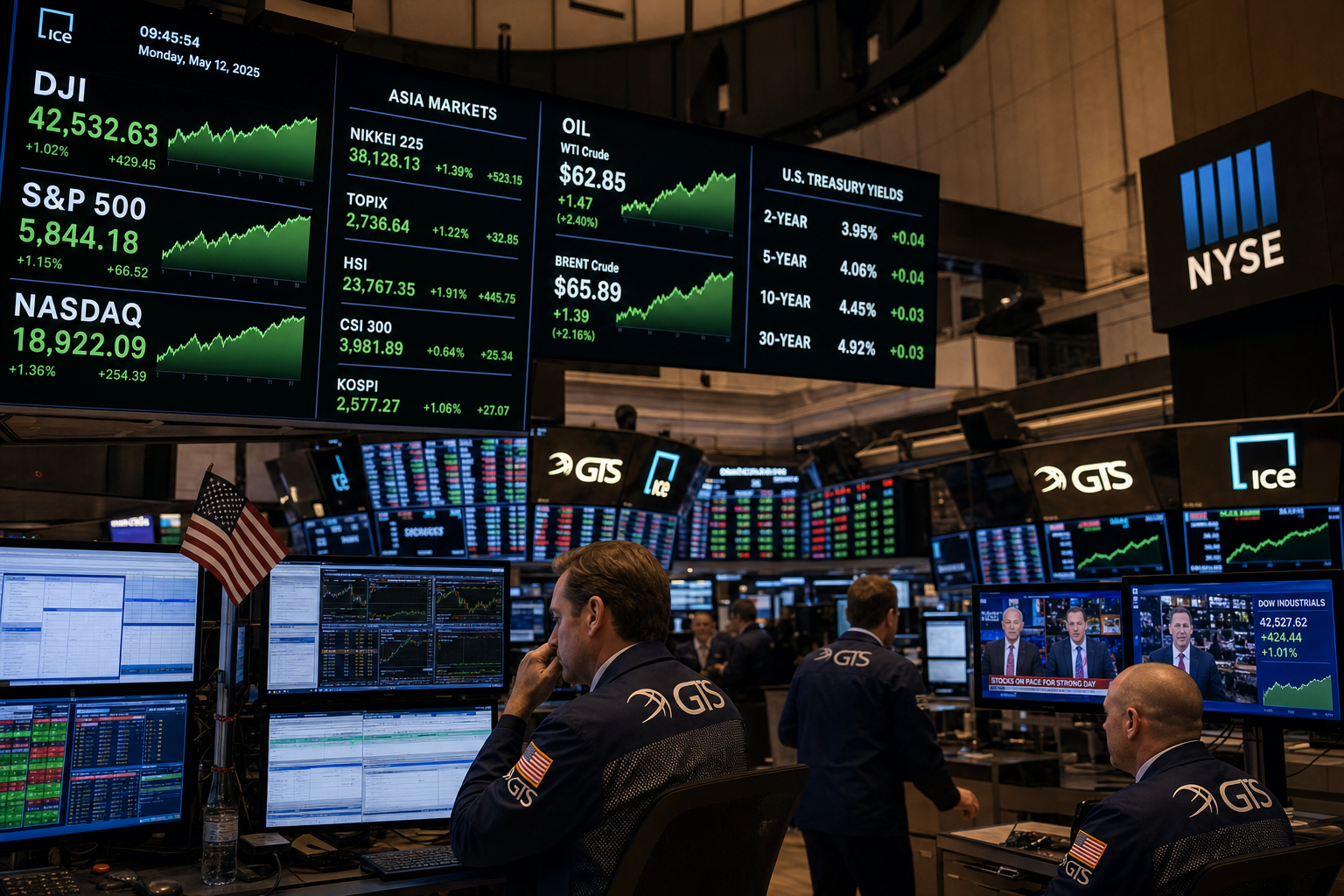
Asia-Pacific markets closed mostly higher on Friday as investors weighed a mix of geopolitical risk, macroeconomic data, and moves in global bond and oil markets. The region’s gains came after Wall Street finished the previous session with a record close for the Dow Jones Industrial Average, helping support broader market sentiment. In Asia, Japan’s Nikkei 225 rose 1.36% and the Topix added 0.55%, helped by data showing Japanese core inflation cooled more than expected in April to 1.4%, its lowest level since March 2022. That softer inflation reading may reduce pressure on the Bank of Japan to raise rates soon. South Korea’s Kospi and Australia’s S&P/ASX 200 also advanced, while Hong Kong’s Hang Seng Index, mainland China’s CSI 300, and India’s benchmark indexes traded higher as well.
Markets were also focused on developments in U.S.-Iran diplomatic efforts and the broader Middle East backdrop. A Reuters report said Tehran wants to keep its enriched uranium stockpile inside the country, which could complicate negotiations with Washington. Oil prices rebounded after a previous decline, with Brent crude and West Texas Intermediate both moving higher in Asian trading. Meanwhile, U.S. Treasury yields edged down from recent highs, reflecting continued sensitivity to political risk and broader concerns about borrowing costs. CNBC also highlighted comments from Moody’s Philipp Lotter, who warned of long-term upward pressure on yields due to higher defense spending, demographic challenges, and the massive capital required for AI and data-center buildouts. Overall, the article presents a market snapshot showing risk assets holding up even as investors track inflation, geopolitics, oil, and bond-market pressures.
Entities: Asia-Pacific markets, Nikkei 225, Topix, Kospi, Kosdaq Index • Tone: analytical • Sentiment: neutral • Intent: inform
22-05-2026
CNBC’s Daily Open newsletter reports that Wall Street is on track for a winning week after a volatile start, with U.S. futures pointing higher and the Dow closing at a record on Thursday. The rebound comes despite earlier bond-market jitters and broader uncertainty, as investors monitor several major global developments. In Asia-Pacific, stocks are moving higher as markets weigh diplomatic efforts to reach a peace deal between the U.S. and Iran, even as oil prices remain elevated because of concerns over Iran’s enriched uranium. In Washington, President Donald Trump delayed a planned signing ceremony for an AI executive order, saying he did not like certain aspects of it. In Europe, the focus is shifting toward the end of earnings season: Richemont reported strong full-year sales and announced a new buyback program, while Estée Lauder surged after ending merger talks with Spain’s Puig, a potential deal that would have created a nearly $40 billion company. The article also notes ongoing investor concern about jet fuel supply disruptions, which have pressured China’s major airlines. The newsletter closes with a lighter feature on the booming Pokémon card market, where prices have risen dramatically since 2020 and are attracting both wealthy investors and crypto-linked speculators.
Entities: Wall Street, Dow Jones Industrial Average, S&P 500, U.S. President Donald Trump, artificial intelligence executive order • Tone: analytical • Sentiment: neutral • Intent: inform
22-05-2026
U.S. stock futures moved modestly higher Friday morning as Wall Street aimed to finish a strong week despite elevated volatility driven by rising long-term Treasury yields and shifting oil prices. The S&P 500, Dow Jones Industrial Average, and Nasdaq Composite were all on track for weekly gains, with the S&P heading toward its eighth straight weekly advance. Earlier in the week, the 30-year Treasury yield briefly climbed above 5.19%, its highest level since before the financial crisis, before easing slightly. Oil prices fell as traders became more optimistic about possible diplomatic progress in the Middle East, which helped ease some inflation and stagflation fears. The article also notes upcoming political and central bank developments, including President Donald Trump’s expected ceremony to swear in Kevin Warsh as his pick to lead the Federal Reserve.
Beyond the market backdrop, the article highlights several major after-hours and regional market movers. Guzman y Gomez shares surged after the fast-food chain said it would exit the U.S. market and focus on Australia. SoftBank extended a dramatic rally, fueled by enthusiasm around AI-linked stocks and gains in Arm Holdings following Nvidia’s strong earnings. In Asia-Pacific trading, regional markets rose as investors monitored U.S.-Iran diplomatic efforts, while Japan’s cooler-than-expected inflation data reduced pressure for an early Bank of Japan rate hike. The article also recaps Thursday’s strong U.S. session, where the Dow set a record close and major indexes remained near their highs, and lists several notable after-hours gainers including Estée Lauder, Workday, Zoom, Ross Stores, and Take-Two Interactive.
Entities: Dow Jones Industrial Average, S&P 500, Nasdaq Composite, Treasury yields, 30-year Treasury yield • Tone: analytical • Sentiment: neutral • Intent: inform
22-05-2026
European stock markets were poised to open higher on Friday as investors balanced geopolitical risks from the U.S.-Iran conflict against a steady stream of European economic data. Futures pointed to gains across major regional indices, including the Stoxx 50, FTSE 100, DAX, and CAC 40, suggesting a possible fourth straight day of advances for European equities. The broader Stoxx 600 was on track for a weekly increase of 2.25%, indicating a positive short-term market backdrop despite uncertainty in global energy markets.
Investor attention remained fixed on negotiations between the U.S. and Iran, particularly after oil prices jumped on Thursday when Tehran reportedly insisted on keeping enriched uranium inside Iran. That development revived fears that the conflict could drag on longer than expected and keep oil markets under pressure. Brent crude remained above $104 a barrel on Friday, underscoring how geopolitical tensions were feeding directly into commodity prices and, by extension, market sentiment.
At the same time, markets were awaiting several important data releases in Europe. Germany’s GfK consumer confidence reading for June was expected to offer insight into the impact of rising energy costs on households in Europe’s largest economy. Similar sentiment data, along with public sector borrowing and retail sales figures from the U.K., were due later in the day, while French business confidence data was also scheduled for release. In corporate news, Estée Lauder and Puig announced they had ended merger talks, a move that lifted Estée Lauder shares in after-hours trading. Overall, the article presents a market snapshot shaped by both geopolitical uncertainty and economic indicators.
Entities: European stocks, Stoxx 50, FTSE 100, DAX, CAC 40 • Tone: analytical • Sentiment: neutral • Intent: inform