19-05-2026
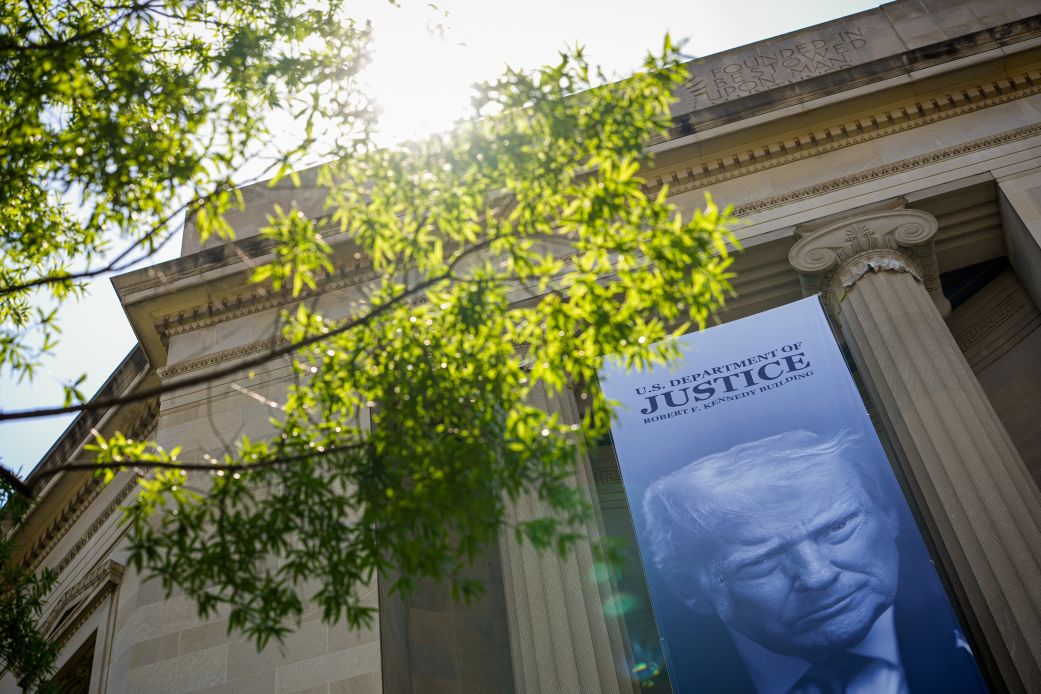
The article reports that the US Justice Department has created a $1.7 billion “Anti-Weaponization Fund” to compensate people who say they were unfairly targeted by the Biden administration, in a move tied to President Donald Trump dropping his $10 billion lawsuit against the IRS over the leak of his tax returns. The settlement is highly controversial because Trump now oversees the IRS through his administration, raising questions about conflict of interest and whether a real legal dispute existed. Critics, including Democrats and tax policy experts, condemned the arrangement as a taxpayer-funded “slush fund” and an abuse of government power. The article explains that Trump’s lawsuit involved claims that the IRS did not prevent former contractor Charles Littlejohn from leaking tax information that later fueled a New York Times investigation revealing Trump’s low tax payments. Littlejohn later pleaded guilty and was imprisoned. Under the settlement, Trump’s family and Trump Organization will receive an apology rather than monetary damages, while claims may be submitted by others, including some people pardoned for participation in the January 6 Capitol riot. The Justice Department says the fund will provide a process to redress alleged government “weaponization” and “lawfare,” but opponents argue it is politically motivated and legally improper.
Entities: Donald Trump, US Justice Department, Internal Revenue Service (IRS), Biden administration, Trump Organization • Tone: analytical • Sentiment: negative • Intent: inform
19-05-2026
The article features Democratic Congressman Dan Goldman criticizing President Donald Trump’s creation of an “anti-weaponization fund,” which Goldman describes as an impeachable offense. According to Goldman, the fund—reported elsewhere in CNN’s related coverage as nearly $2 billion and intended to benefit allies of the president—represents an abuse of power not only by Trump but also by Acting Attorney General Todd Blanche. Goldman’s remarks frame the fund as a serious constitutional and ethical violation rather than a routine political dispute. The piece is presented as a short CNN Politics video segment and primarily captures Goldman’s reaction, emphasizing the accusation that the Trump administration is using federal power to protect or reward political allies. The broader context implied by the article is an ongoing controversy over claims of government weaponization and political retaliation, with Goldman arguing that the creation of such a fund crosses a line into impeachable conduct.
Entities: Dan Goldman, Donald Trump, Todd Blanche, Laura Coates Live, CNN Politics • Tone: analytical • Sentiment: negative • Intent: inform
19-05-2026
CNN analysis argues that President Donald Trump’s proposed $1.776 billion compensation fund for allies who say they were unfairly targeted by the Biden administration is emblematic of his broader political style: grievance, retribution, and aggressive use of executive power. The article says the plan, announced by the Justice Department, could reward Trump supporters including some involved in the January 6 attack on the Capitol, turning taxpayer money into a political instrument. Although Trump frames the fund as reimbursement for people who were “horribly treated,” the piece contends that it raises serious legal and constitutional questions because Congress—not the president—controls federal spending. The article places the fund in the context of Trump’s second term, describing it as another executive power grab and another example of the Justice Department’s transformation into a tool for Trump’s personal and political goals. It also notes the irony that Trump, who has long claimed he is the victim of politicized prosecutions, is now using government power to potentially compensate his own supporters and allies. The analysis acknowledges that some of Trump’s complaints about legal overreach have at least a plausible basis, but argues that the compensation board would lack genuine independence and likely face immediate legal challenges. Overall, the article portrays the plan as both a campaign promise fulfilled and a warning sign of democratic erosion.
Entities: Donald Trump, Stephen Collinson, Justice Department, Biden administration, January 6, 2021 attack on the Capitol • Tone: analytical • Sentiment: negative • Intent: analyze
19-05-2026
CNN reports on the Trump administration’s creation of an “Anti-Weaponization Fund,” a nearly $1.8 billion taxpayer-funded settlement structure tied to Donald Trump’s personal lawsuit against the IRS. Trump had sued the agency over the unauthorized disclosure of his tax returns, seeking $10 billion in damages, and the Justice Department announced it would resolve the case by establishing a fund to compensate people who say they were victims of “lawfare and weaponization.” Critics, including Democrats, legal experts, former DOJ officials, and public-interest advocates, described the arrangement as highly unusual and potentially corrupt because it appears to channel federal money toward Trump allies and political sympathizers. The article explains that Trump’s dual role as plaintiff and president is central to the controversy: he sued an agency controlled by his own administration, and then the Justice Department—now led by former Trump attorney Todd Blanche—agreed to a settlement from the federal Judgment Fund. The report also notes legal concerns about whether Trump’s claims were time-barred, whether the court even has a valid case or controversy, and whether opponents could successfully challenge the deal in court. Although the Justice Department says the fund has no partisan requirements and will be administered by a commission, critics argue the structure gives Trump and his appointees too much control over taxpayer money. The piece places the fund within broader concerns about the politicization of the Justice Department and the use of government power to reward allies or advance presidential goals.
Entities: Donald Trump, Internal Revenue Service (IRS), Department of Justice (DOJ), Anti-Weaponization Fund, Judgment Fund • Tone: analytical • Sentiment: negative • Intent: inform
19-05-2026
The article reports that Brian Morrissey, the Treasury Department’s top lawyer, resigned shortly after the Trump administration announced a new $1.8 billion “anti-weaponization fund.” The fund is designed to pay people who claim they were improperly targeted by the Biden administration, including some Trump supporters and former Trump staffers, as well as people involved in the Jan. 6, 2021 Capitol attack. Treasury will deposit $1.776 billion into the fund from the federal Judgment Fund, a source of money used for settling claims without congressional approval, and the account will be controlled by individuals chosen by acting Attorney General Todd Blanche. The arrangement stems from a settlement of a lawsuit Trump brought against the Internal Revenue Service, in which he alleged improper handling of his tax information. The lawsuit was dropped after a judge raised questions about its legality. Morrissey’s resignation, coming only seven months after Senate confirmation, appears to reflect the controversy and sensitivity surrounding the fund and the settlement. A Treasury spokesman praised Morrissey’s service, while Morrissey’s resignation letter expressed gratitude to Trump and Treasury Secretary Scott Bessent.
Entities: Brian Morrissey, Treasury Department, U.S. Treasury, Donald Trump, Scott Bessent • Tone: analytical • Sentiment: neutral • Intent: inform