19-05-2026
The article reports that China’s military newspaper, the PLA Daily, has published a rare caution that the People’s Liberation Army may not be keeping pace in training and personnel readiness with the country’s rapid development of new weapons. While Beijing has made major advances in hardware—especially unmanned and intelligent systems—the article says some units still show weak integration between people and equipment, limited trust in new systems, and poor coordination between human operators and technology. The warning suggests that advanced weapons alone do not guarantee combat effectiveness if troops are not trained to use them properly.
The PLA Daily argues that many newly fielded systems require strong technical expertise and coordinated manned-unmanned operations, and that some units have not devoted enough effort to developing specialized talent. It emphasizes that modern weapons are becoming more long-range, precise, intelligent, stealthy, and uncrewed, changing the dynamics of warfare. The core concern is that the PLA’s training, talent development, and operational integration may lag behind the pace of China’s weapons modernization, creating potential weaknesses despite impressive technological progress.
Entities: People’s Liberation Army (PLA), PLA Daily, China, Beijing, Shanghai • Tone: analytical • Sentiment: neutral • Intent: inform
19-05-2026
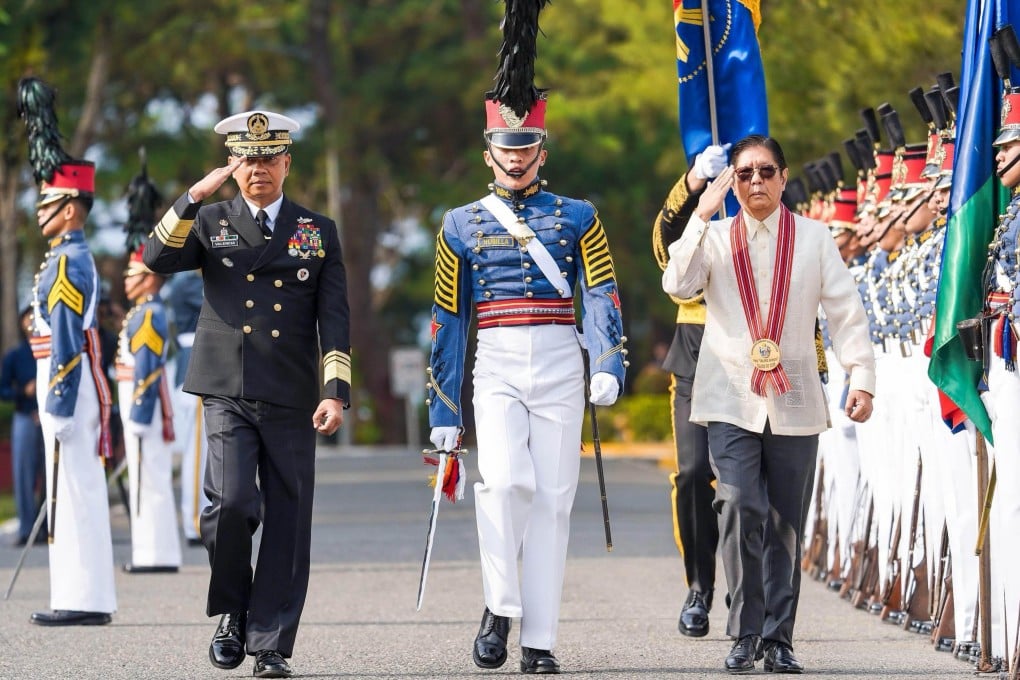
Philippine President Ferdinand Marcos Jnr said in remarks to Japanese media that the Philippines would likely be drawn into any conflict over Taiwan because of its proximity to the island and the large number of Filipinos working there. Speaking ahead of a state visit to Japan, Marcos stressed that Manila does not want to become involved in a war, but geography makes it hard for the Philippines to avoid the consequences if fighting breaks out. He said that if there were actual confrontation, the northern Philippines would at minimum be affected and could become part of the broader conflict. The article also notes that Marcos made similar comments the previous year, when he said the Philippines would not want war but would not withdraw its vessels from contested areas, following clashes between Philippine and Chinese coastguard forces near Scarborough Shoal. Those earlier remarks angered Beijing, which reacted strongly to his suggestion that a Taiwan war could drag the Philippines into hostilities. The piece frames Marcos’s latest comments as a continuation of his public warning that the Philippines’ geographic position and regional ties leave it vulnerable to fallout from any Taiwan crisis.
Entities: Ferdinand Marcos Jnr, The Philippines, Taiwan, Japan, Beijing • Tone: analytical • Sentiment: neutral • Intent: inform
19-05-2026
The article examines Kinmen, a Taiwanese island only 3km from China’s Xiamen, as a symbolic and practical testing ground for Beijing’s long-term reunification ambitions toward Taiwan. Kinmen’s residents live with a paradox: the memory of past Chinese shelling and military confrontation remains visible in beach defenses and historical recollections, yet many islanders also seek closer economic and social ties with the booming mainland city nearby because Kinmen has limited local opportunity. The piece shows how Beijing uses a combined “carrot and stick” strategy on Kinmen—offering trade, tourism, and infrastructure incentives while also applying pressure through coast guard activity and “grey zone” tactics. Experts quoted in the article frame Kinmen as vulnerable to China’s influence because of its geography and history, and because it sits under Taipei’s control despite being so close to Fujian province. The article also recounts the island’s Cold War history, when Kinmen was heavily militarized and shelled by communist forces, and contrasts past political slogans and propaganda on both sides with the more muted, tourism-oriented present. Ultimately, the story presents Kinmen as a microcosm of cross-strait tensions, where Beijing’s strategy depends on Taipei’s resistance and the islanders’ own conflicting loyalties and economic needs.
Entities: Kinmen, Xiamen, Taipei, Taiwan, China • Tone: analytical • Sentiment: neutral • Intent: analyze