16-06-2026
Cape Verdeans celebrated exuberantly after their national football team held reigning European champions Spain to a 0-0 draw in their World Cup opener, treating the result as a symbolic victory for the small island nation. In Praia, the capital, streets filled with vuvuzelas, chants, car horns, dancing, and flag-waving as fans gathered in packed viewing areas to watch the historic match. Supporters described the moment as emotional and said that, for a country of about half a million people, achieving such a result against a football powerhouse felt extraordinary.
The article frames the draw as part of a larger story of national pride and football history. Cape Verde only qualified for the World Cup for the first time after edging Cameroon, and entered Group H as clear underdogs alongside Spain and Uruguay, both former world champions. Yet the team’s energetic performance and defensive discipline gave many locals and visitors hope that the squad could advance beyond the group stage. Even if Cape Verde does not progress, the match has already lifted national morale and the country’s image internationally. The piece emphasizes the emotional response of ordinary fans and the sense that Cape Verde’s World Cup journey represents a milestone far beyond the scoreline.
Entities: Cape Verde, Praia, Spain, World Cup, Blue Sharks • Tone: positive • Sentiment: positive • Intent: inform
16-06-2026
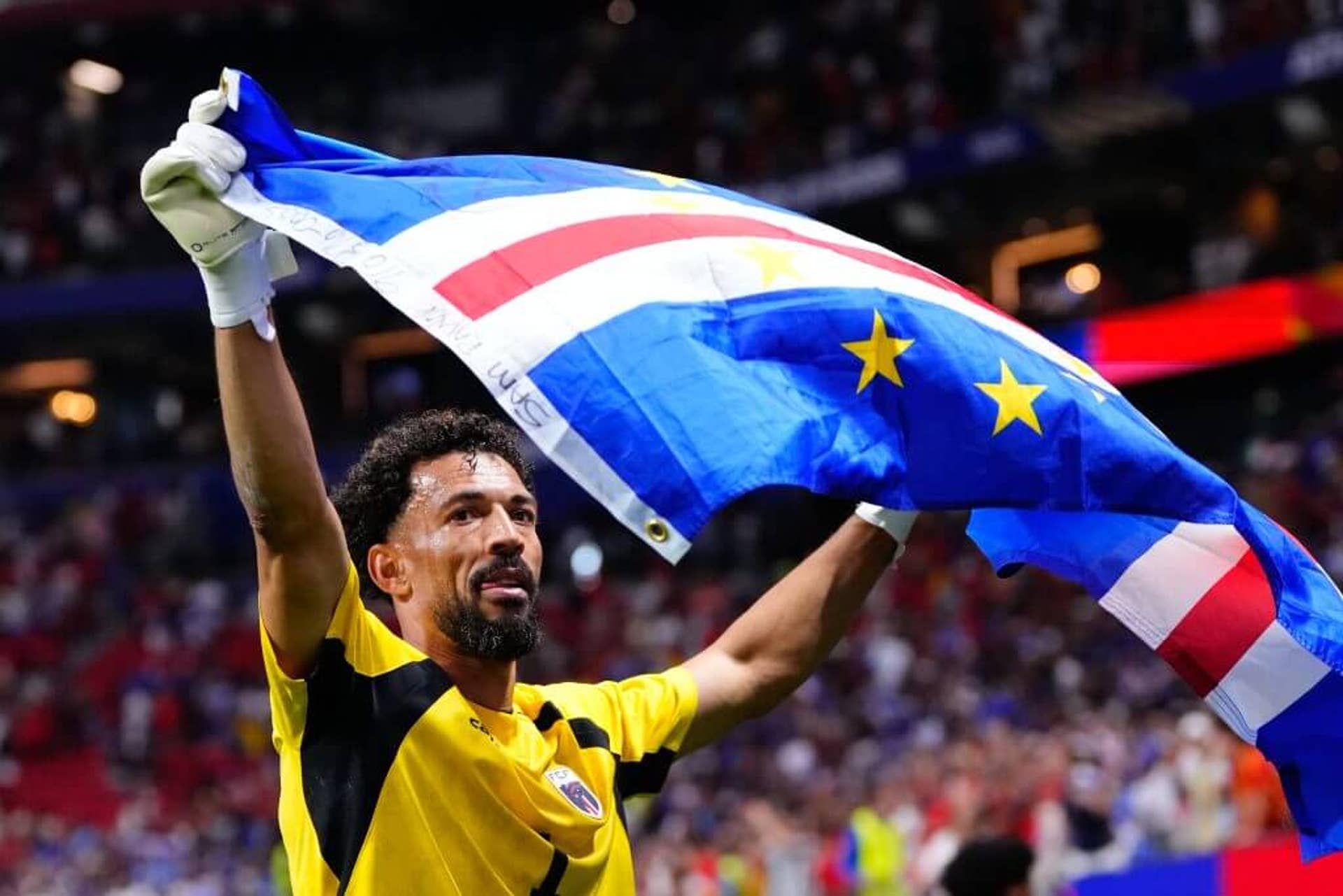
The article profiles Vozinha, Cape Verde’s 40-year-old veteran goalkeeper, who emerged as the unlikely hero of Cape Verde’s stunning 0-0 draw with Spain at the 2026 World Cup. Vozinha, whose full name is Josimar Jose Evora Dias, delivered a man-of-the-match performance with seven key saves and provided the calm leadership that helped steady a team facing one of football’s biggest stages. The piece emphasizes that his impact goes beyond the match itself: he is a symbolic figure for Cape Verdean football, alongside fellow veterans Stopira and Ryan Mendes, representing the long journey that brought the island nation to its first World Cup.
The article also explores Vozinha’s personal story. Named after Brazilian full-back Josimar, and nicknamed “Vozinha” because he grew up playing with older children and was jokingly associated with his grandparents, he was initially overlooked for being too small. He did not turn professional until his mid-20s and built his career through clubs in Angola, Cyprus, Slovakia, Moldova, and Portugal. His path nearly took a different turn when he considered quitting the national team after being left out of recent African Cup of Nations qualifying matches, but teammates convinced him to stay for the World Cup dream.
The article frames Cape Verde’s result as a historic upset and a reminder that smaller nations can compete on the world stage. It closes by noting how the performance has thrust Vozinha into global attention, as reflected in his dramatic rise in social media followers, while he reflects on the emotional and personal significance of the moment and encourages his younger self to be proud of the journey.
Entities: Vozinha, Josimar Jose Evora Dias, Cape Verde, Spain, 2026 World Cup • Tone: analytical • Sentiment: positive • Intent: inform
16-06-2026
Saudi Arabia held Uruguay to a 1-1 draw in Miami at the 2026 World Cup, producing another surprise in Group H after Cape Verde had earlier stunned Spain. Saudi centre-back Abdulelah Al Amri opened the scoring in the first half after Uruguay goalkeeper Fernando Muslera spilled a simple ball into his path. Uruguay, who struggled badly for creativity before halftime despite dominating possession, improved after Marcelo Bielsa made a double substitution that removed Darwin Nunez and reshaped the attack. Their pressure eventually paid off when Maximiliano Araujo scored from the rebound after another goalkeeping error, this time by Mohammed Al Owais. Saudi Arabia’s goalkeeper then recovered with several important saves to secure the point. The result left all four teams in Group H level on one point after the first round of matches.
Beyond the match itself, the article frames the result as part of a broader pattern at this World Cup: Asian teams have started strongly, with South Korea, Qatar, Australia, Japan, and Saudi Arabia all unbeaten in their opening games. The piece argues that the expanded 48-team tournament is not simply diluting quality, as some critics feared, but is coinciding with stronger performances from the AFC. It also examines Fernando Muslera’s unusual return to Uruguay’s starting lineup after retirement and exile, and questions whether Darwin Nunez may lose his place after being ineffective in the first half. Overall, the article combines match reporting with tactical analysis and wider tournament context to explain why Group H looks more balanced than expected.
Entities: Saudi Arabia, Uruguay, Group H, FIFA World Cup 2026, Hard Rock Stadium • Tone: analytical • Sentiment: neutral • Intent: analyze