15-08-2026
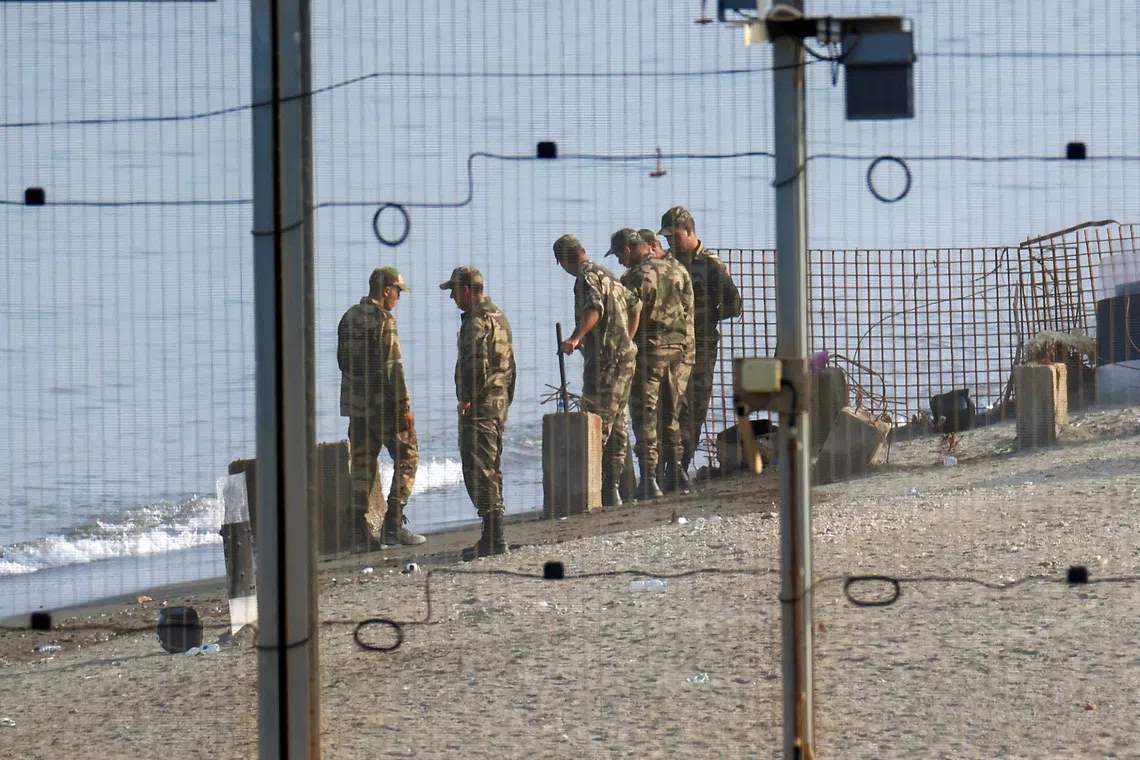
Morocco has strengthened security around Ceuta, the Spanish enclave on Africa’s northern coast, following online calls for another mass attempt by migrants to cross into the territory. The measures include installing new barbed wire and deploying additional police officers near the border. The reported preparations indicate that Moroccan authorities are seeking to prevent a repeat of earlier mass crossings, in which large numbers of people attempted to enter Ceuta from Morocco.
The article presents the increased security as a response to the possibility of a coordinated or large-scale crossing organized or encouraged through online channels. However, it also highlights criticism from local residents who argue that tougher border controls do not address the underlying reasons young people are willing to undertake dangerous journeys in an effort to leave. Their comments shift the focus beyond immediate border enforcement to the social and economic pressures driving migration.
The report therefore contrasts Morocco’s short-term security response with broader concerns about migration and the risks faced by young people. While barbed wire and increased police presence may make a crossing more difficult, residents suggest that such measures are unlikely to resolve the motivations behind attempted migration. The article does not identify specific organizers of the online calls or provide detailed figures about the number of migrants involved, but it emphasizes the potential for another mass crossing and the continuing human consequences of restrictive border policies.
Entities: Morocco, Ceuta, Spain, Moroccan police, new barbed wire • Tone: analytical • Sentiment: negative • Intent: inform
15-08-2026
A BBC investigation has found a network of interconnected Instagram accounts promoting migration from Morocco to Ceuta, a Spanish enclave on Africa’s northern coast, while offering paid advice on how to make the crossing. The accounts publish aspirational videos that portray the journey—often involving a swim around a border fence—as safe and straightforward. In reality, migrants have faced difficult routes and some have drowned attempting the crossing.
To investigate, BBC correspondent Marianna Spring created a fictional Moroccan account named Mohammed. After interacting with several profiles, she was contacted by an anonymous account that claimed to have helped many people reach Ceuta and requested 5,000 Moroccan dirhams, or about £400, upfront. The account promised information about using sewer pipes to enter the enclave and directed her to pay through a bank-transfer service. It did not clarify whether the money would be refunded if the crossing failed.
The investigation identified dozens of related profiles, many using variations of “Haraga”—a Maghrebi Arabic term associated with migrants who destroy their identity documents—and references to Ceuta in their names. Several accounts directed users to the same WhatsApp numbers or email addresses. Their content frequently showed migrants swimming happily, people apparently succeeding in reaching Ceuta, or individuals claiming to have continued to mainland Europe. However, about 75,000 of the roughly 78,000 arrivals reported last month were returned to Morocco, according to authorities.
The BBC says Instagram’s recommendation algorithms helped spread the emotionally charged material to a wider audience. The investigation also found misinformation about Spanish immigration law and border controls. Meta said it was monitoring the situation and removing content that facilitates or seeks human-smuggling services. The influx has eased, but the online activity risks encouraging further dangerous crossings, deaths and diplomatic tensions between Morocco, Spain and other European Union countries.
Entities: Ceuta, Morocco, Spain, Marianna Spring, BBC Top Comment • Tone: analytical • Sentiment: negative • Intent: analyze
15-08-2026
Spain has significantly increased police and military deployments in Ceuta after social media posts called for another mass crossing from Morocco on Aug 15, just two weeks after a deadly rush into the Spanish enclave. Soldiers guarded public areas and police patrolled streets, while Moroccan security forces monitored the beaches and routes near Fnideq, a departure point for migrants attempting to reach Ceuta by sea.
The July 30 crossing resulted in at least 96 deaths, while more than 72,000 people entered Ceuta, according to Spanish government estimates. Most later returned voluntarily to Morocco, but around 5,000 migrants remained in the enclave. The episode triggered political tensions within the European Union and intensified anti-immigration rhetoric among far-right parties internationally.
Spain has installed a maritime barrier and brought in more than 500 additional police officers. Interior Minister Fernando Grande-Marlaska said the reinforcements would remain as long as necessary and that people who entered irregularly would generally be returned to Morocco. Authorities have begun screening adults and have decided more than 500 asylum cases, most of which were rejected.
Morocco said it was monitoring online messages encouraging a new mass crossing and warned that organisers and participants could face prosecution. It reinforced security along its borders with Ceuta and Melilla, including additional razor wire, and reportedly stopped some groups from travelling north. However, witnesses said some sub-Saharan African migrants were avoiding checkpoints by using mountain routes toward Fnideq.
The article also includes testimony from young migrants who participated in the July crossing. Driss Sadik, who swam for five hours to reach Ceuta, advised others not to attempt the journey, while Adil Jamil said further arrivals would not solve migrants’ problems. Jamil also described the crossings as coordinated efforts in which people believed travelling together would improve their chances of reaching a better future.
Entities: Spain, Ceuta, Morocco, Fnideq, Melilla • Tone: analytical • Sentiment: negative • Intent: inform