12-10-2026
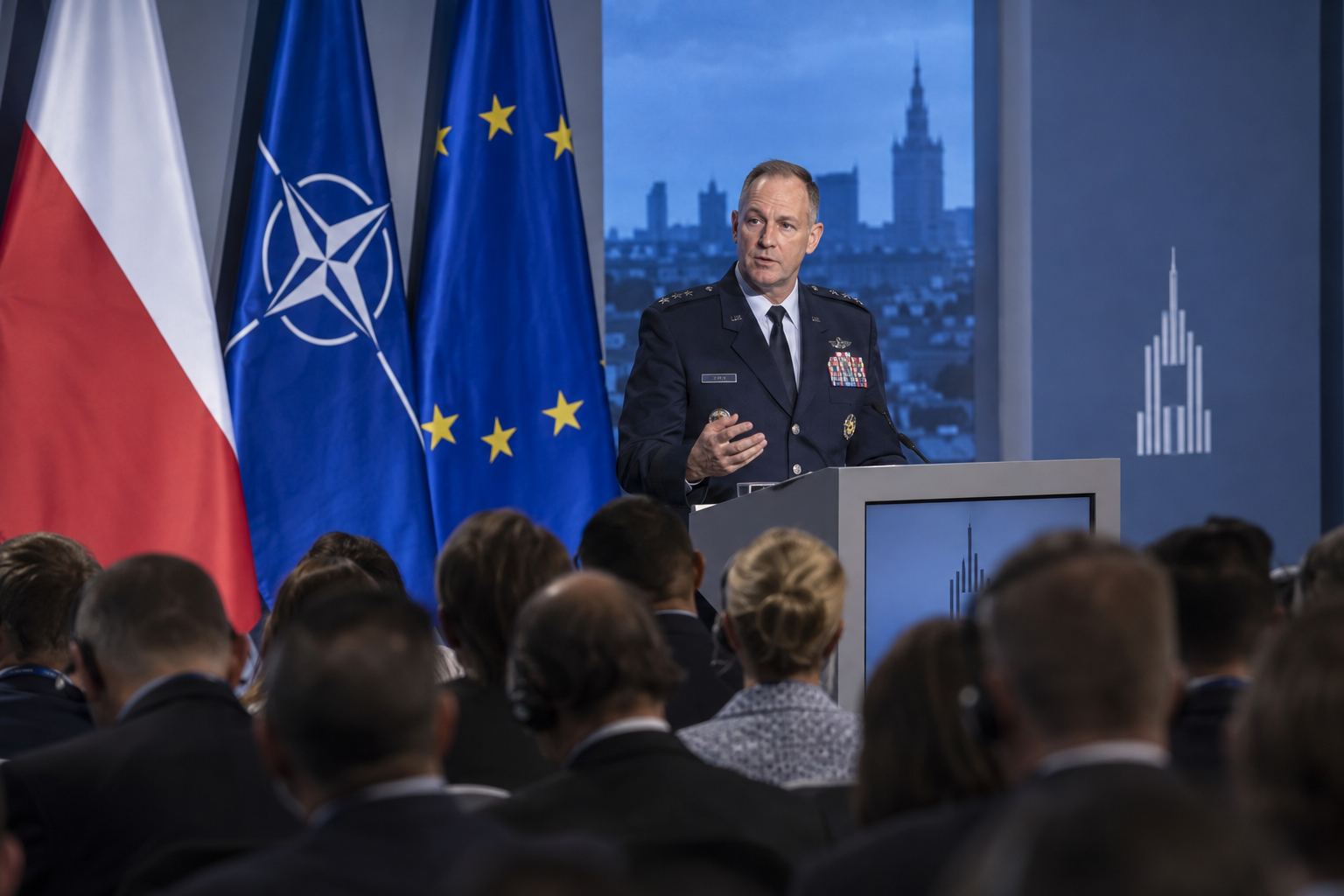
France 24 reports that NATO’s top military commander, US Air Force General Alexus G. Grynkewich, said on October 12, 2026, that the alliance would “block, blunt and break” any Russian attack on the territory of its members. He described such an attack as “utterly futile,” presenting NATO as prepared to defend its member states. Grynkewich also cautioned against interpreting his remarks as a prediction of imminent conflict: he said he did not judge a clash between Russia and NATO to be “imminent or inevitable.” The report identifies Grynkewich as the Supreme Allied Commander Europe (SACEUR) and notes that he made the remarks during the opening session of the Warsaw Security Forum in Warsaw, Poland. France 24 says its live coverage is drawing on updates from AFP, AP and Reuters. The supplied page contains only a short report and a liveblog prompt; its headline refers to oil prices and a Russia-Ukraine energy ceasefire, but the provided article text does not explain those subjects. A “Page not found” message appears at the end of the supplied content and is treated as a website artifact rather than part of the report.
Entities: Alexus G. Grynkewich, NATO, Supreme Allied Commander Europe (SACEUR), Russia, Warsaw • Tone: neutral • Sentiment: neutral • Intent: inform
12-10-2026
NATO’s top military commander, US General Alexus Grynkewich, is expected to warn Russia that the alliance is able to counter an attack. At a security conference in Warsaw, he is due to explain his “theory of victory,” a framework officials say is grounded in NATO’s existing deterrence and defence plans. The statement is intended both to signal resolve to Moscow and to reassure NATO members on the alliance’s eastern flank, rather than to disclose significant new details about closely guarded defence plans.
The planned intervention comes amid growing Western concern about what officials describe as a Russian “hybrid” campaign of sabotage and interference targeting countries that support Ukraine. Recent incidents, including the discovery of an explosive-laden drone at a German airport, have heightened fears that Moscow is escalating its activity. NATO says such actions can be dangerous and may cause significant loss of life, while the alliance has struggled to respond to threats in the grey zone below open conflict.
NATO describes itself as defensive and says it has no intention of attacking Russia. Its civilian head, Mark Rutte, has urged allies to remain calm and continue supporting Ukraine, arguing that Russia knows the alliance is stronger.
At the same time, European security faces uncertainty. The Pentagon is reviewing US force deployments in Europe, with possible reductions under consideration and a decision expected toward the end of the year. European countries are already seeking to strengthen their militaries amid doubts about the reliability of US support under President Donald Trump. The article places Grynkewich’s warning within this broader context of Russian pressure, NATO deterrence, and uncertainty about the future US military presence in Europe.
Entities: Alexus Grynkewich, Martin O’Donnell, Mark Rutte, NATO, Russia • Tone: analytical • Sentiment: negative • Intent: inform
12-10-2026
France 24 reports on growing Western concern about alleged Russian sabotage and interference targeting countries supporting Ukraine. The article’s central event is a press conference scheduled for Monday in Warsaw, where NATO’s top military commander, US General Alexus Grynkewich, is expected to address Russia. The report says he appears set to warn Moscow about the alliance’s ability to counter-attack, though it does not provide the full remarks or specify what measures NATO might take.
The item places the warning in the context of the continuing war in Ukraine and alleged efforts by Moscow to disrupt or interfere with Ukraine’s wartime backers. It identifies FRANCE 24 International Affairs Commentator Douglas Herbert as the analyst and video contributor. The headline characterizes the alleged activity as sabotage, while the brief article text also refers to interference; neither the specific incidents nor evidence for the allegations is described in the supplied text.
The page is presented as a replay, but the supplied content contains only a short description rather than a transcript or detailed account of the press conference. It therefore establishes the subject, location, principal speaker, and broad strategic context, but does not report the commander’s exact words, Russia’s response, or the practical implications of the warning. Related headlines and page-navigation material are not part of the article’s substantive report.
Entities: NATO, Alexus Grynkewich, Douglas Herbert, Russia, Ukraine • Tone: analytical • Sentiment: neutral • Intent: inform
12-10-2026
NATO Supreme Allied Commander Europe Alexus Grynkewich warned that any Russian attack on alliance territory would be defeated and would fail to achieve its objectives. Speaking at the Warsaw Security Forum on October 12, 2026, the U.S. Air Force general described NATO’s approach as a “theory of victory”: the alliance would block, blunt and break an attack, making it “utterly futile.” Although Grynkewich did not name Russia in his speech, the article says his remarks were clearly directed at Moscow. He said NATO would stop an assault and deny the attacker the ability to accomplish its aims. The response, he indicated, could extend beyond the forces immediately involved in an attack. If an adversary continued the assault or committed reserves, NATO would target the broader warfighting system, including everything that supports, sustains and controls the attacking force. The warning comes amid heightened tensions between Russia and European countries. European governments have accused Moscow of increasing sabotage, drone incursions and cyberattacks against them. Russia, meanwhile, warned the previous month that it would use nuclear weapons if NATO tried to cut off its exclave of Kaliningrad. The article also notes that NATO’s 2022 Strategic Concept identifies Russia as the alliance’s most significant security threat. Grynkewich’s remarks frame NATO as a defensive alliance while emphasizing its readiness to respond forcefully to an attack on any member. The report presents his statements as a direct deterrent message to Moscow, against a backdrop of escalating accusations and warnings between Russia and NATO countries.
Entities: Alexus Grynkewich, NATO, Supreme Allied Commander Europe, Warsaw Security Forum, Warsaw, Poland • Tone: urgent • Sentiment: neutral • Intent: inform