12-10-2026
A boat carrying more than 300 migrants capsized off the coast of Djibouti while travelling toward Yemen, leaving at least 139 people dead, including 15 children. A further 84 people remain missing, according to the article. The brief report does not provide details about when the boat capsized, the identities or nationalities of those aboard, the circumstances of the accident, or the progress of any search-and-rescue effort. It presents the disaster as part of the broader risks faced by people travelling along the Eastern Route, a migration corridor between the Horn of Africa and the Arabian Peninsula. The article notes that more than 900 people died or went missing on that route during 2025, underscoring that the latest capsizing is not an isolated danger. The reported death toll and number missing indicate a major loss of life, while the inclusion of children among the dead highlights the impact on vulnerable passengers. The report’s focus is on the scale of the tragedy and the hazards of the route; it offers no further information about responses by authorities or the reasons the passengers were making the journey.
Entities: Djibouti, Yemen, Eastern Route, migrant boat capsizing, at least 139 migrant deaths • Tone: analytical • Sentiment: negative • Intent: inform
12-10-2026
At least 139 people, including 15 children, died after a boat carrying more than 300 migrants capsized off Djibouti while traveling toward Yemen. The International Organization for Migration (IOM) said more than 80 people survived, all Ethiopian nationals, and at least 84 remained missing. The agency warned that the death toll could rise. The vessel reportedly sank soon after migrants boarded on the evening of October 8, apparently because it was overcrowded.
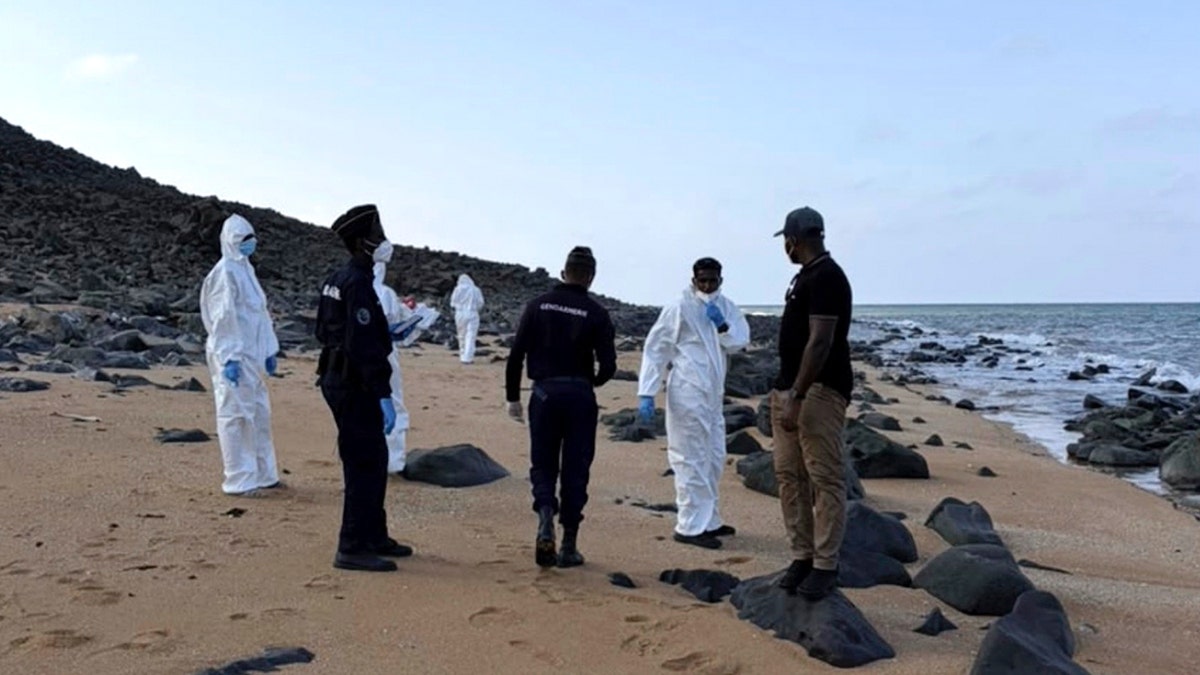
The official death toll includes only people buried by Djibouti’s authorities. Other victims were buried by fellow migrants, and those deaths will not be counted until authorities can verify the bodies. IOM chief of mission in Djibouti Alexandre Coissac described victims being buried without names in a common grave and said some families may never learn what happened to their relatives. He also said local authorities were overwhelmed as bodies washed ashore.
Survivors were being taken to an IOM rescue center in Obock for medical care and psychological support. Coissac said they were in shock; some already knew family members had died, while others used phones to tell relatives they had survived. Rescue efforts continued as concerns grew for those still missing.
The shipwreck occurred on the perilous migration route from the Horn of Africa across the Bab el-Mandeb Strait toward the Arabian Peninsula. Tens of thousands make the journey annually, often seeking work and safety in Gulf countries, despite escalating conflict in Yemen. IOM figures show that more than 900 migrants died or went missing along the route last year, while the number making the journey rose by 18%. The article also cites a separate Mediterranean shipwreck earlier in the year in which 53 people died or went missing and only two survived.
IOM Director-General Amy Pope urged governments and donors to create safe and legal migration pathways, warning that these deaths should not be treated as normal.
Entities: International Organization for Migration (IOM), Alexandre Coissac, Amy Pope, Djibouti, Obock • Tone: emotional • Sentiment: negative • Intent: inform
12-10-2026
At least 139 migrants, including 15 children, died after an overcrowded boat capsized off the coast of Djibouti while traveling toward Yemen. The vessel had departed from Djibouti carrying 305 people and sank near Guhere, north of Obock, on the night of October 8 or early the following morning. As of Sunday, at least 84 people were still missing and more than 80 had survived; the reported survivors were Ethiopian nationals.
The United Nations’ International Organization for Migration (IOM) said the boat capsized largely because it was overcrowded. The confirmed death toll reflects victims buried by Djiboutian authorities and may increase as additional bodies are identified and verified. IOM Chief of Mission in Djibouti Alexandre Coissac said some victims had been buried by fellow migrants, meaning those deaths could not yet be included in the official count. He described the anonymous common graves and the uncertainty families may face about what happened to their relatives.
Survivors were taken to an IOM rescue center in Obock, where they received medical care after swallowing seawater and psychological support. IOM Director General Amy Pope called for governments and donors to provide safe and legal migration pathways, warning against treating migrant deaths as routine. The article notes that the dangerous crossing from the Horn of Africa to the Arabian Peninsula is commonly used by people seeking work in Gulf countries. According to the IOM, more than 900 migrants died or went missing on the route last year.
Entities: International Organization for Migration (IOM), Amy Pope, Alexandre Coissac, Djibouti, Yemen • Tone: analytical • Sentiment: negative • Intent: inform
12-10-2026
At least 139 migrants, including 15 children, died and 84 others were reported missing after an overcrowded boat capsized off Djibouti while traveling toward Yemen, according to the International Organization for Migration (IOM). The vessel was carrying 305 people, most of them Ethiopian. It sank north of the Djibouti town of Obock during the night of October 8–9, on a dangerous Red Sea migration route. The article reports that survivors described the boat beginning to sink soon after they boarded. Alexandre Coissac, the IOM’s chief of mission in Djibouti, said survivors told him the vessel began sinking “backwards” as soon as they got in. Coissac characterized the incident as a devastating loss of life. The report gives the known death and missing-person tolls but does not provide further details about rescue operations, the identities of those affected, or the circumstances that led to the boat becoming overcrowded. It centers on the scale of the disaster, the passengers’ nationalities and the survivor account, while identifying the IOM as the source of the information.
Entities: International Organization for Migration (IOM), Alexandre Coissac, Djibouti, Obock, Yemen • Tone: neutral • Sentiment: negative • Intent: inform
12-10-2026
At least 139 migrants, including 15 children, died and 84 remained missing after an overcrowded boat capsized off Djibouti while carrying 305 people toward Yemen, the International Organization for Migration (IOM) said. The boat sank near Guhere, off Djibouti’s eastern coast in the Gulf of Aden, during the night of October 8–9. Most passengers were Ethiopians; at least 82 survived, all Ethiopian nationals. The IOM revised its initial count of 109 deaths and 116 missing after more bodies were recovered. The final toll could rise because some bodies reportedly buried by migrants have not yet been verified. Survivors said the boat began sinking backwards as soon as they boarded, according to IOM Djibouti chief of mission Alexandre Coissac.
Djiboutian authorities continued search-and-rescue operations, while IOM teams provided emergency assistance. The agency was supporting 64 survivors at a migrant centre in Obock. The dangerous sea crossing from the Horn of Africa to Yemen through the Bab al-Mandeb strait is used by people seeking work and safety in Gulf countries. The IOM cited poverty, insecurity and climate change impacts as factors driving migration, despite instability across the Middle East. Coissac said 150 people on the boat had previously been turned back from Yemen but tried again.
The IOM recorded more than 20,000 movements from Ethiopia to Djibouti since September 10. In 2025, more than 900 migrants died or went missing on the sea route to Yemen, while attempted journeys increased by 18%. The disaster follows a March 2026 shipwreck that killed nine people and left 45 missing. IOM Director General Amy Pope urged governments and donors to support rescue operations and create safer migration routes, warning that these deaths should not be treated as normal and stressing that safe, legal pathways save lives.
Entities: Alexandre Coissac, Amy Pope, International Organization for Migration (IOM), Djibouti, Guhere • Tone: analytical • Sentiment: negative • Intent: inform