09-08-2026
CBS News reports on a new voice recording from inside Iran’s Evin Prison by U.S. citizen and journalist Reza Valizadeh, who describes deteriorating prison conditions, inadequate medical care, and fears of disease exposure. Valizadeh says prisoners have been denied access to the library and sports facilities for more than a year, that medical care is nearly nonexistent, and that medicines sent by families are sometimes taken by prison staff before reaching inmates. He says diseases such as tuberculosis have appeared in the prison, including a case involving a prisoner coughing up blood and losing significant weight for months before being taken to a hospital. Valizadeh also says prisoners are punished by losing family visits and phone calls if they protest conditions, and that he has not seen his family for five months. The recording also mentions the situation of fellow American detainee Kamran Hekmati, a Jewish Iranian-American from New York who was sent back to prison after a short medical furlough despite needing cancer treatment, according to advocates. The article places these accounts in the context of ongoing U.S.-Iran tensions and the broader issue of Americans detained in Iran, noting that the State Department considers Valizadeh and Hekmati wrongfully detained. Valizadeh’s lawyer urges President Trump to prioritize the release of wrongfully detained Americans in negotiations with Iran. CBS News says it shared the remarks with Iran’s U.N. mission, which declined comment.
Entities: Reza Valizadeh, Kamran Hekmati, Evin Prison, Iran, CBS News • Tone: urgent • Sentiment: negative • Intent: inform
09-08-2026
CNN reports that Gen. Dan Caine, chairman of the Joint Chiefs of Staff and President Donald Trump’s top military adviser, has privately urged other senior Trump advisers to consider an off-ramp from the conflict with Iran. According to three sources familiar with the discussions, Caine’s concern is that the military options being considered to escalate the war could backfire and that airpower alone is unlikely to accomplish Trump’s stated objectives. The article frames this as an internal warning within the administration, suggesting a split between the pressure to escalate and the military’s caution about the limits and risks of further action.
The report says Caine has made his views clear over the past few weeks in private conversations rather than public statements. His position appears grounded in practical battlefield and strategic concerns: escalation could produce unintended consequences, and bombing campaigns alone may not force Iran into the desired outcome. The piece places these remarks in the context of Trump spending the weekend in New Jersey and CNN’s Julia Benbrook reporting from there, but the core story focuses on the administration’s internal deliberations about Iran policy.
As a short video news item, the article is primarily about a behind-the-scenes assessment of U.S. military strategy and the possibility that senior defense leadership is trying to prevent a widening conflict. It does not provide a full policy debate or official response, but instead emphasizes the tension between political goals and military feasibility.
Entities: Dan Caine, Donald Trump, Iran, Joint Chiefs of Staff, US military • Tone: analytical • Sentiment: neutral • Intent: inform
09-08-2026
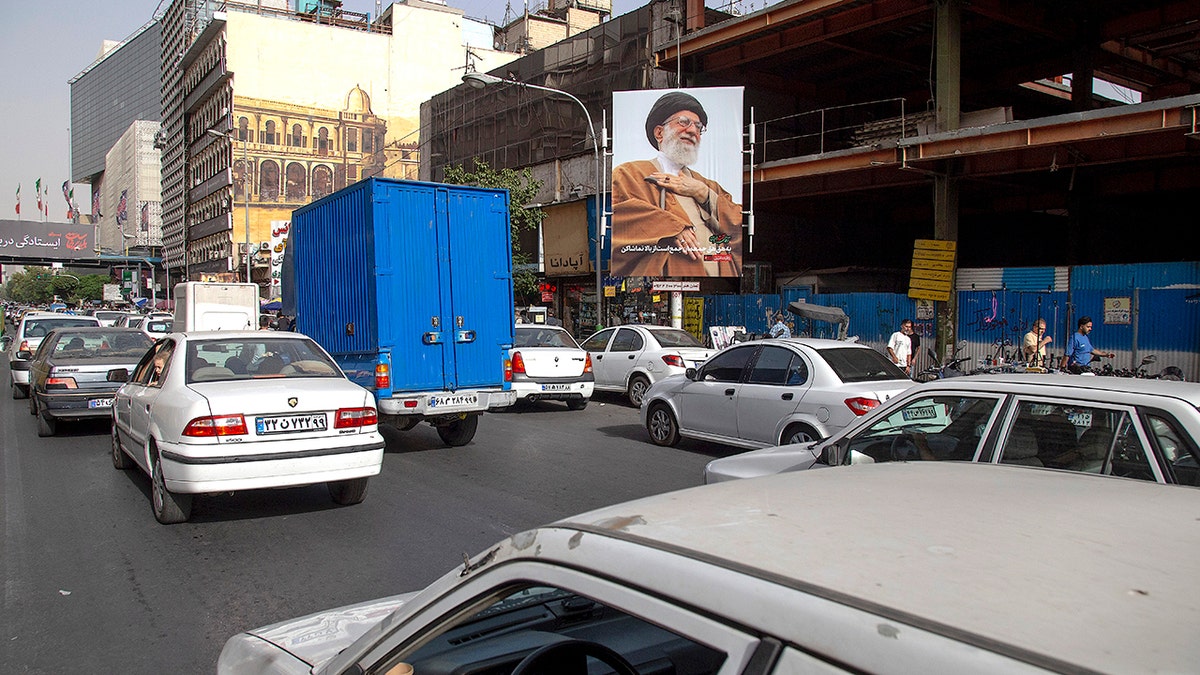
The article reports that growing accounts of grocery theft in Iran are being viewed as a symptom of the country’s deepening economic crisis, especially severe food inflation, currency depreciation, and reduced purchasing power. Citing an investigation by the Iranian newspaper Jahan-e Sanat, Fox News says supermarket workers have seen customers allegedly hiding or consuming inexpensive food items inside stores without paying. While the theft reports are anecdotal and not proof of a nationwide trend, analysts argue they fit broader evidence of economic stress.
A Foundation for Defense of Democracies analyst, Miad Maleki, says Iran is already in a “tipping zone,” pointing to collapse in the currency and extremely high food inflation, including bread, cereal, dairy, and eggs. He argues that the current pressure is affecting caloric and nutritional access for a broad share of the population, not just the poorest households. The article notes that President Masoud Pezeshkian has publicly acknowledged “difficulties and problems,” but also insists Iran remains strong and that foreign pressure is being used to provoke unrest.
The article frames food insecurity as a potential trigger for renewed protests, referencing Iran’s 2019 gasoline-price demonstrations as a precedent. However, it also emphasizes that Iran’s security forces, including the Islamic Revolutionary Guard Corps and Basij, have a long record of suppressing unrest rather than conceding economically. The piece uses the theft reports and inflation data to illustrate how Iran’s economic pain may be approaching a social breaking point, even if immediate political change is not guaranteed.
Entities: Iran, Masoud Pezeshkian, Miad Maleki, Foundation for Defense of Democracies, Jahan-e Sanat • Tone: analytical • Sentiment: negative • Intent: inform