08-08-2026
Saudi Arabia, Turkey and Pakistan have signed a new joint defence agreement in Mecca, pledging that an attack on one would be treated as an attack on all three. The pact was announced by Saudi Crown Prince Mohammed bin Salman, Turkish President Recep Tayyip Erdogan and Pakistani Prime Minister Shehbaz Sharif, and is framed as a defensive arrangement aimed at strengthening deterrence and expanding defence cooperation. The article places the agreement in the context of worsening regional security after US and Israeli strikes on Iran, retaliatory actions across the Gulf, and heightened threats to Saudi Arabia from Iran-backed Houthis in Yemen. It also notes Saudi concerns after Israeli strikes on Doha and broader Gulf states’ reassessment of their security strategies. For Pakistan, the deal offers added political and strategic backing amid tensions with India and reinforces its growing diplomatic standing. For Turkey, the agreement could support its defence industry through joint production, technology partnerships and greater military interoperability. However, the article stresses that the pact’s practical obligations are unclear, with no specifics on what each state must do in a crisis. Despite this uncertainty, its main value may be deterrence: by signaling that each country now has two other regional powers behind it, the agreement is intended to raise the cost of aggression and improve collective security.
Entities: Saudi Arabia, Turkey, Pakistan, Mohammed bin Salman, Recep Tayyip Erdogan • Tone: analytical • Sentiment: neutral • Intent: inform
08-08-2026
Saudi Arabia, Turkey, and Pakistan signed a trilateral defense agreement in Mecca, deepening military and security cooperation among three major Sunni Muslim-majority states at a time of heightened regional instability and concern over the Iran war. According to statements from the Pakistani Foreign Ministry and Turkey’s presidential communications directorate, the pact is designed to strengthen collective deterrence and treat an armed attack on any one signatory as an attack on all three. The agreement also calls for broader defense cooperation, with Turkish media reporting possible joint exercises, training, intelligence sharing, and technology transfers.
Officials emphasized that the pact is defensive rather than offensive and is not directed at any particular country or bloc. A Turkish government official said it is “purely defensive in nature” and open to other regional states. Saudi officials likewise rejected suggestions that it was aimed at creating a military axis, sectarian bloc, nuclear alignment, or arms race, saying it is meant to build sustainable capabilities. The article places the new agreement in the context of earlier bilateral cooperation, noting that Saudi Arabia and Pakistan signed a mutual defense pact in September. Analysts quoted in the piece described the trilateral deal as a formalization and evolution of long-standing strategic ties, driven by a more dangerous regional security environment and the changing nature of warfare.
Entities: Saudi Arabia, Turkey, Pakistan, Mecca Joint Defense Agreement, Mohammed bin Salman • Tone: analytical • Sentiment: neutral • Intent: inform
08-08-2026
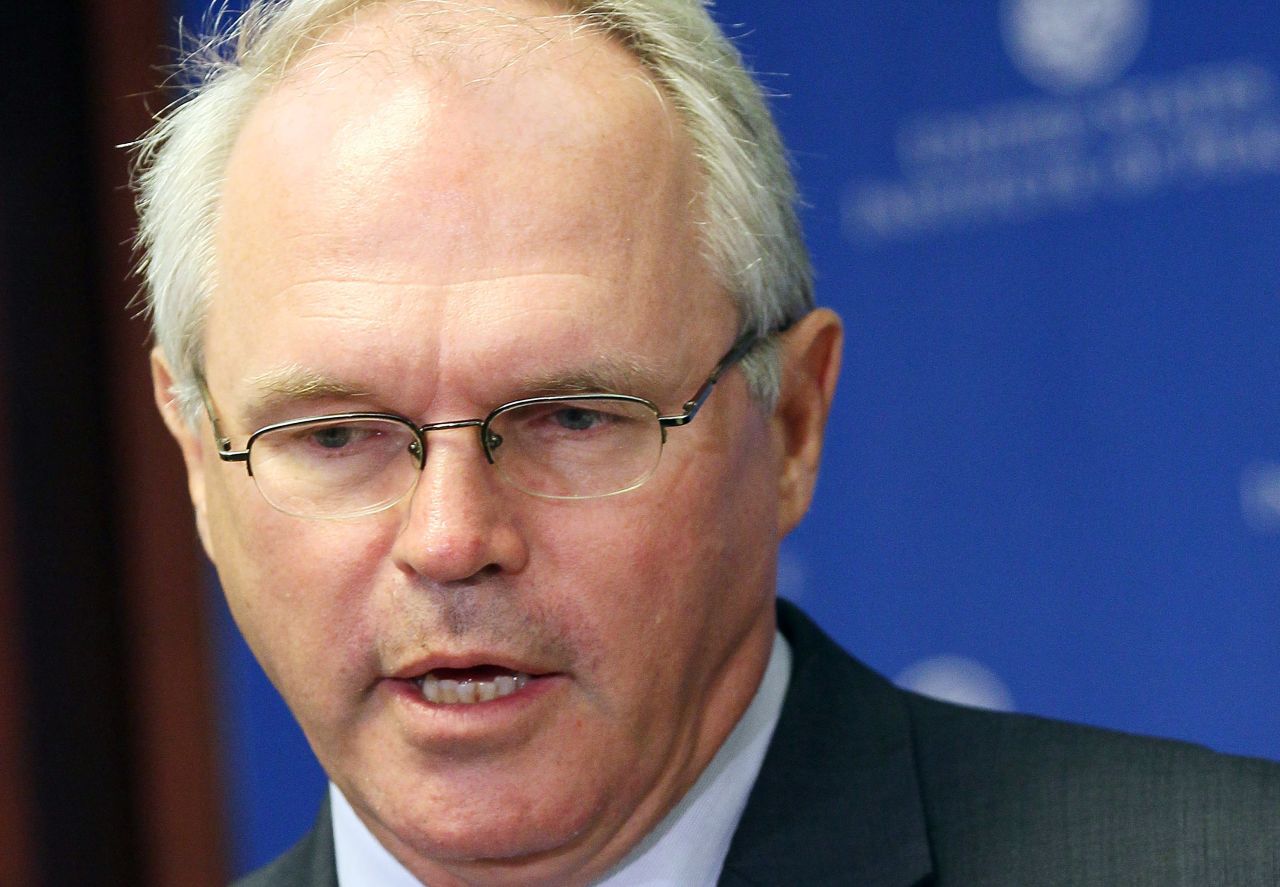
CNN’s live updates describe a rapidly widening conflict centered on Iran, with major regional consequences and growing signs of strain on U.S. security leadership. A key development is the signing of a mutual defense pact among Saudi Arabia, Turkey, and Pakistan in Mecca, under which an attack on one would be treated as an attack on all. Former U.S. ambassador Christopher Hill says the agreement reflects a loss of confidence in U.S. security guarantees and a broader perception that Washington may be becoming unreliable rather than merely unpredictable. The article also reports that Iran-backed Houthi forces are escalating attacks on Saudi Arabia, including strikes in Yemen’s Marib province and threats to continue military action unless Saudi Arabia lifts its blockade of Houthi-held territory. The Houthis say their attacks are preemptive and claim they were preparing for a Saudi ground invasion.
The live updates also show how the conflict has spread beyond Saudi Arabia and Yemen. Iranian-backed militias in Iraq have delayed retaliatory attacks after deadly U.S.-Saudi strikes, while Saudi officials are reportedly preparing for further coordinated assaults. Inside Iran, lawmakers are criticizing the Saudi-led defense pact and warning it will not ensure Saudi security. The article also notes a separate piece of Iranian messaging: state media is displaying wreckage from U.S. and Israeli aircraft allegedly downed during the war, underscoring the propaganda and symbolic dimensions of the conflict. Finally, the article highlights strategic concern inside the U.S. military, with sources saying Gen. Dan Caine believes Washington needs an off-ramp because further military escalation against Iran could backfire.
Entities: Saudi Arabia, Turkey, Pakistan, Iran, Yemen • Tone: analytical • Sentiment: negative • Intent: inform
08-08-2026
The article reports that the United States believes a deal may soon be reached between Iran and Oman to reopen the Strait of Hormuz, a critical global oil transit route that has been disrupted during the five-month US war with Iran. A US official said progress on the strait could allow normal shipping to resume and could prompt Washington to lift its blockade of Iranian ports, but any US actions would remain contingent on Iran meeting its commitments. The disruption has already driven up energy prices and inflation, as Iran has imposed tolls on tankers and attacked ships attempting to pass without permission.
The piece places this development in the broader context of escalating regional conflict and diplomacy. It notes that Iran-backed Houthi attacks in the Red Sea and Gulf of Aden have compounded shipping risks, while Abu Dhabi National Oil Company reported attacks on 15 vessels transiting the Strait of Hormuz, leaving one crew member dead and 20 injured. In response to rising tensions, Saudi Arabia, Pakistan, and Turkey signed a mutual defence pact in Mecca, saying an armed attack on one would be treated as an attack on all. The agreement is framed as defensive, but it comes amid heightened fears of wider conflict involving Iran.
The article also discusses US efforts to broker a settlement in Lebanon involving Israel and Hezbollah, and it highlights internal Iranian political tensions over diplomacy. Iranian President Masoud Pezeshkian defended negotiations with the US, arguing that dialogue could secure Iran’s rights, while hardline factions and power centres in Iran remain a complicating factor. Overall, the story portrays a volatile Middle East where fragile diplomacy, maritime security, and regional alliances are all shifting in response to the war with Iran.
Entities: Strait of Hormuz, Iran, Oman, United States, US war with Iran • Tone: analytical • Sentiment: neutral • Intent: inform