08-08-2026
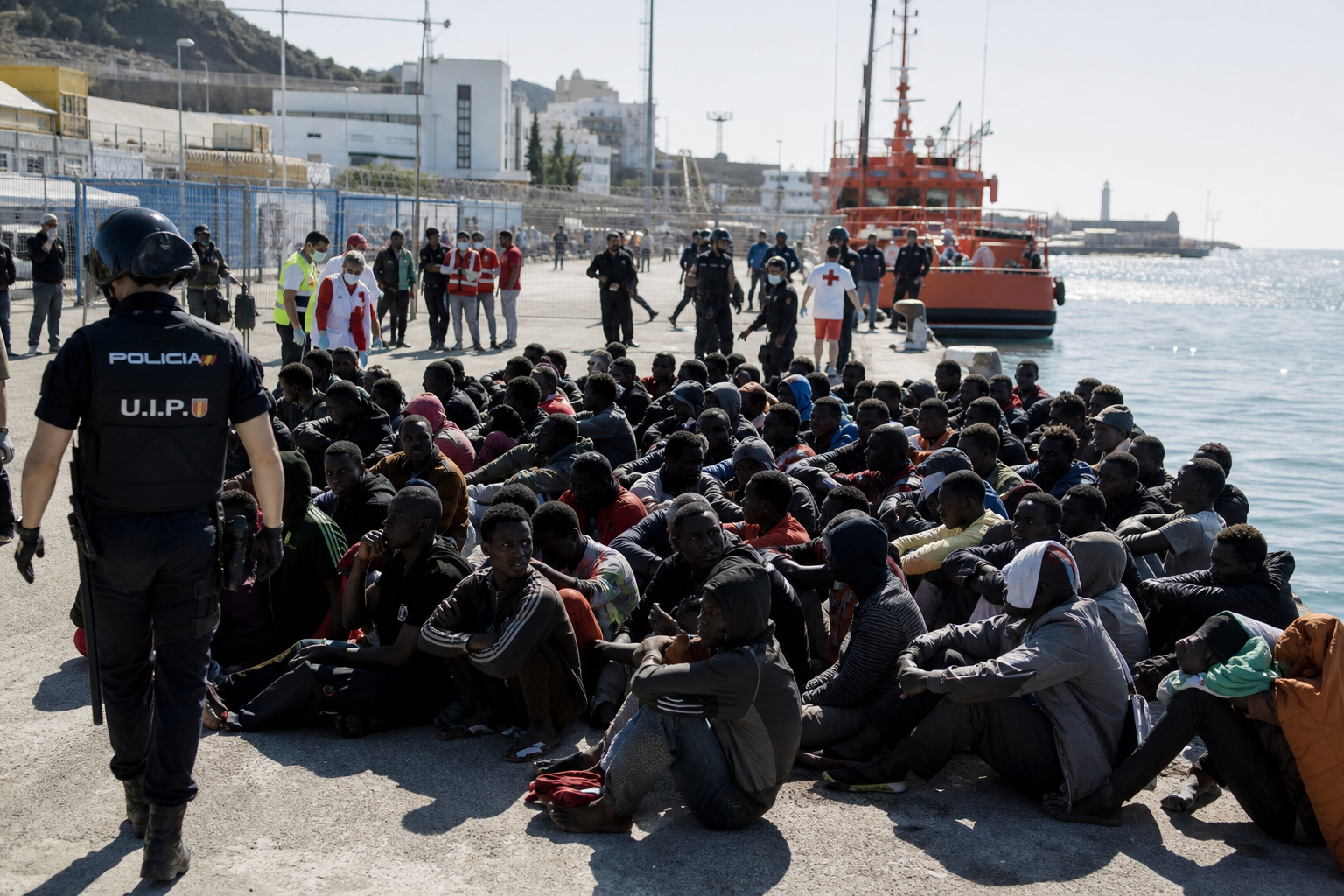
Spain has imposed temporary border controls on air and sea travel from Italy in retaliation for Italy’s earlier Schengen checks, escalating a diplomatic dispute tied to a sudden migrant influx into the Spanish exclave of Ceuta. The row began after roughly 78,000 migrants from Morocco entered Ceuta, prompting Italy to suspend Schengen for a month to prevent onward movement of those migrants, a justification Spain rejected as unfounded because Ceuta is not part of the Schengen area. Spain then demanded that Italy lift its restrictions, but Rome refused, saying the measures would remain until at least 15 August and citing security and terrorism concerns. Spain responded by reintroducing passport, nationality, and visa checks on passengers from Italy and some other arrivals, with the controls set to remain until 7 September unless circumstances change.
The article places the dispute in the context of broader EU migration tensions and longstanding friction over Ceuta and Melilla. It notes that Italy’s move has been supported by some EU states, while Spain and Italy continue to blame each other over the legal and security rationale for the controls. The article also describes the humanitarian dimension of the crisis: most migrants were returned to Morocco within days, around 100 are believed to have died during the crossing, and nearly 1,400 minors remain in Ceuta. EU Migration Commissioner Magnus Brunner has suggested that criminal networks spreading disinformation may have helped trigger the crossings, a view Spain shares. Morocco, meanwhile, blames a Spanish court ruling that limited summary returns of migrants at sea. The article concludes that the causes of the mass crossings remain disputed, while Ceuta continues to be a point of diplomatic contention between Spain and Morocco.
Entities: Spain, Italy, Ceuta, Morocco, Pedro Sanchez • Tone: analytical • Sentiment: negative • Intent: inform
08-08-2026
Spanish authorities are monitoring social media for signs of another organized migrant crossing attempt into the Spanish enclave of Ceuta, after last week’s sudden influx of more than 72,000 people from Morocco drew global attention and criticism. CBS News reports that posts on public Facebook groups suggest a renewed push for migrants to gather at the Ceuta border on Aug. 15, with references to departure logistics and crossing plans. Spanish police and the Civil Guard are tracking the online activity to assess any threat and decide how to respond.
The article says the first mass crossing was fueled in part by misinformation spread through social media and amplified by smuggling networks. Spanish and Moroccan officials have attributed the crisis to a combination of human trafficking networks and misleading online claims about asylum and legal status. A Spanish security analyst cited in the story argues that posts falsely interpreted a recent Spanish Supreme Court ruling, leading migrants to believe they could enter Ceuta and then move on to mainland Spain. In reality, Spanish authorities say migrants entering irregularly cannot simply leave Ceuta for the mainland.
Meta says it is monitoring the situation and removing content that violates its anti-smuggling policies. The article also cites reports that at least 80 migrants died during the crossing, underscoring the human toll of the crisis.
Entities: Ceuta, Melilla, Morocco, Spain, Spanish Interior Ministry • Tone: analytical • Sentiment: negative • Intent: inform
08-08-2026
Ceuta President Juan Jesus Vivas told the European Parliament’s Committee on Civil Liberties, Justice and Home Affairs that the mass arrival of migrants into the Spanish enclave of Ceuta constituted an “invasion” and one of the city’s most difficult recent moments. Speaking by video call, Vivas said that between 3,000 and 5,000 migrants still remained in Ceuta after a huge border rush from Morocco in late July, during which authorities estimated as many as 80,000 people entered the territory over a 48-hour period. He said roughly 75,000 had already returned to Morocco, but stressed that the situation remained far from normal because migrant reception centers were collapsed or overloaded and the city faced a major humanitarian emergency as well as public safety concerns.
Vivas described residents as fearful, uneasy, and vulnerable, arguing that the crisis exposed Ceuta’s dependence on Morocco, which does not recognize Spanish sovereignty over the enclave. He linked the episode to Spain’s territorial integrity and echoed the Spanish prime minister’s prior description of the event as an attack. In addition to calling for European support, Vivas proposed expelling remaining Moroccan migrants, increasing resources for migrant facilities, and pursuing a new economic model centered on greater integration with Spain and Europe. The article frames the crisis as both a migration emergency and a broader political dispute between Spain and Morocco, while noting that Fox News contacted both governments for comment.
Entities: Ceuta, Juan Jesus Vivas, European Parliament’s Committee on Civil Liberties, Justice and Home Affairs, Morocco, Spain • Tone: urgent • Sentiment: negative • Intent: inform