07-09-2026
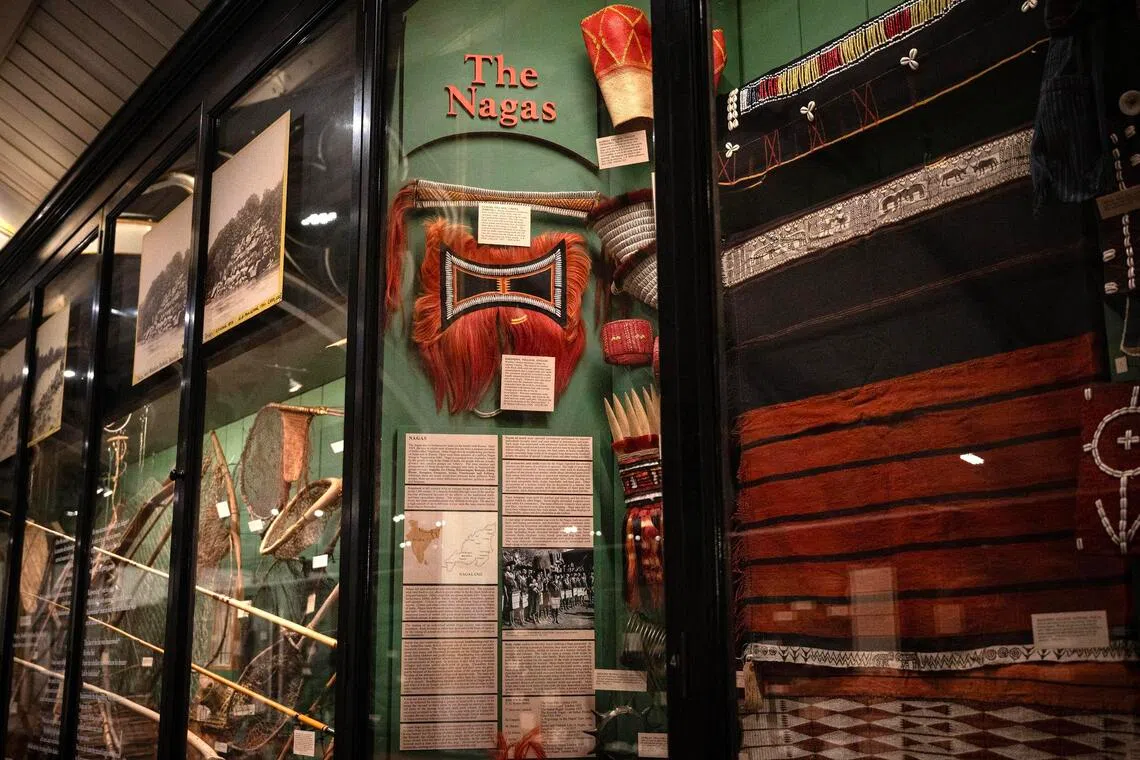
Oxford University’s Pitt Rivers Museum has agreed to repatriate the remains of 39 people from the Naga community in northeast India. The remains were taken during Britain’s colonial rule, and the decision follows a restitution request from the Forum for Naga Reconciliation (FNR) and other Naga organizations. The groups said repatriation represents not only the return of ancestral remains but also the restoration of collective memory to its homeland.
The Naga request covered 40 sets of remains, but the university approved the return of 39 in July because one could not be clearly identified as Naga. The museum is working with the community to arrange a handover ceremony, although no date has been announced. The Pitt Rivers Museum holds more than 6,000 Naga artifacts, but Naga researchers said recovering those objects is a complex issue and is not currently their main focus.
The museum has previously faced criticism over racist and culturally insensitive displays, including its former exhibition of shrunken heads and other human remains. In 2020, it removed 120 human remains, including Naga trophy heads, tsantsas and an Egyptian child mummy, acknowledging that such displays could reinforce stereotypes portraying other cultures as “savage,” “primitive” or “gruesome.”
The agreement is part of a broader international movement to return human remains and cultural objects acquired by Western institutions during the colonial era. Recent examples include the University of Edinburgh’s return of six skulls to the Muscogee Nation and London’s Horniman Museum returning 72 artifacts to Nigeria. The article also notes Greece’s long-running demand for the return of the Parthenon Marbles from Britain, which maintains that they were legally acquired and that the British Museum should decide their fate.
Entities: Oxford University, Pitt Rivers Museum, Naga community, Northeast India, Forum for Naga Reconciliation (FNR) • Tone: analytical • Sentiment: neutral • Intent: inform
07-09-2026
Oxford University's Pitt Rivers Museum has agreed to repatriate the ancestral remains of 39 Naga people to the Naga community in northeast India. The decision follows years of negotiations and a formal claim submitted to Oxford University in February 2026 for 40 sets of remains held by the museum. In July, the university approved the return of 39 sets, while declining to repatriate one set because it did not have sufficiently clear provenance as Naga.
The remains were collected during the British colonial period, primarily between approximately 1910 and 1940 by John Henry Hutton and James Philip Mills, colonial administrators and anthropologists. The museum acknowledges that this collecting was often coercive, stating that human remains and cultural objects were frequently confiscated during punitive military expeditions rather than freely donated. The Pitt Rivers Museum holds the world’s largest collection of Naga material, including thousands of objects.
The museum removed all human remains from display in 2020. Its Naga collection includes 219 items classified as human remains: 39 ancestral remains, primarily skulls, and 178 objects containing or potentially containing human hair. The current repatriation concerns the 39 ancestors.
Museum director Professor Laura Van Broekhoven described the process as humbling and said she felt honoured to work with Naga partners toward returning the remains to their homeland. The museum is coordinating with Naga representatives to establish a handover ceremony, after which a Naga delegation will accompany the remains home.
The Forum for Naga Reconciliation and other Naga organisations welcomed the agreement, emphasizing that repatriation is not merely the return of bones but the restoration of memory and ancestral connection to the land. The case reflects broader efforts by museums and universities to address colonial-era acquisitions and return human remains and cultural heritage to source communities.
Entities: Pitt Rivers Museum, Oxford University, Naga community, Naga people, Northeast India • Tone: analytical • Sentiment: positive • Intent: inform
07-09-2026
Oxford University’s Pitt Rivers Museum will repatriate the remains of 39 people to the Naga community in north-east India, following a restitution request from the Forum for Naga Reconciliation. The remains were collected in the early 20th century by British colonial administrators and were held by the museum, where some were displayed publicly until 2020. The museum has the world’s largest collection of Naga artefacts.
The repatriation request originally covered 40 sets of human remains. Oxford University approved the return of 39 on July 13, determining that one specimen lacked clear evidence of Naga provenance. The museum is working with Naga representatives to arrange a handover ceremony, although no date has been set.
Museum director Laura Van Broekhoven said the remains had been away from their homeland for too long. The Forum for Naga Reconciliation and other Naga organisations welcomed the agreement, emphasizing that repatriation involves more than returning bones or ancestral remains. They described it as an act of restoring memory and heritage to its place of origin.
The decision is part of a broader international movement to return artefacts and human remains acquired by Western institutions during the colonial era. The article cites the Horniman Museum’s 2022 return of 72 artefacts to Nigeria, including 12 Benin bronzes, and the University of Edinburgh’s return in 2026 of six human skulls to a Native American group. It also mentions Greece’s long-running demand for the Parthenon Marbles, which Britain maintains were legally acquired and whose return is a matter for the British Museum.
The repatriation reflects continuing efforts by Indigenous and formerly colonised communities to address the legacy of colonial collecting practices and reclaim cultural, historical and ancestral heritage.
Entities: Pitt Rivers Museum, Oxford University, Naga community, North-east India, Forum for Naga Reconciliation (FNR) • Tone: analytical • Sentiment: positive • Intent: inform