06-09-2026
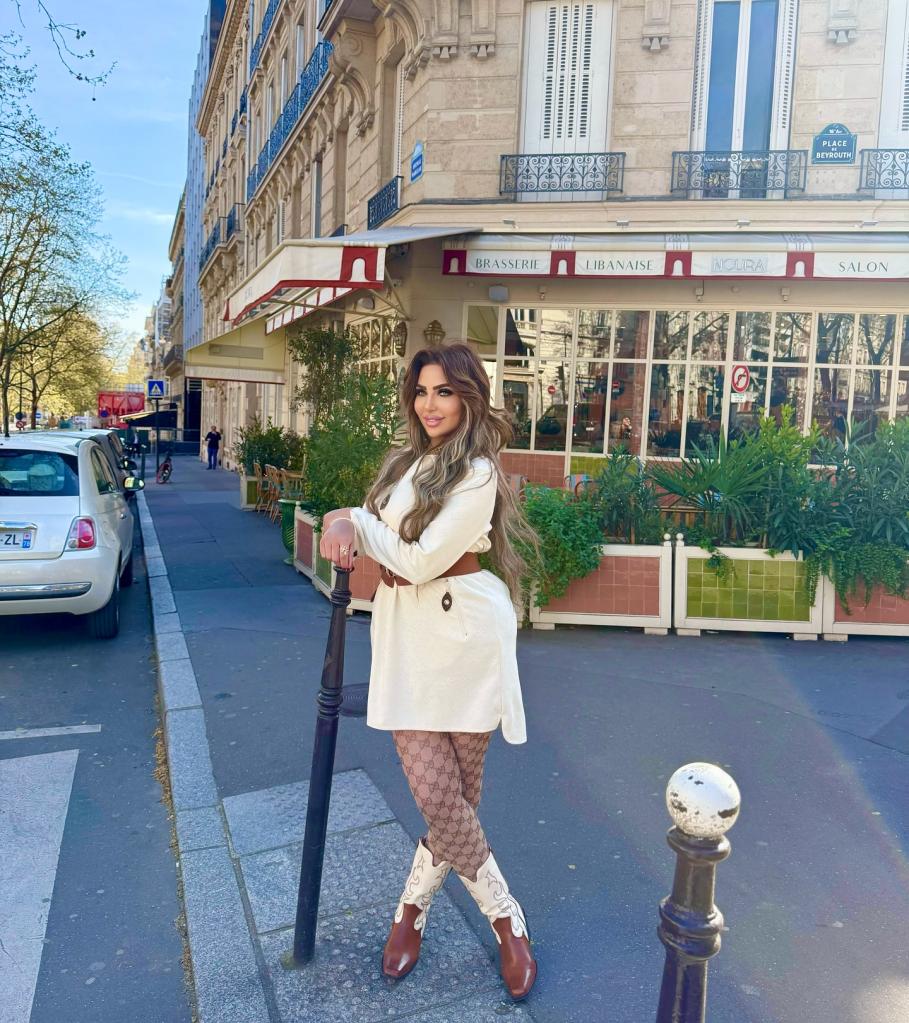
An Egyptian court in Cairo has sentenced television presenter Sarah Khalifa and 11 other defendants to death by hanging in a major narcotics case. The defendants were convicted of allegedly forming an organised criminal gang, manufacturing synthetic drugs, trafficking narcotics and importing raw materials used in drug production. Authorities reportedly seized more than 750 kilograms of narcotics and drug-making materials, along with two apartments allegedly used as laboratories, unlicensed firearms and ammunition.
Khalifa, 39, is best known as the presenter of Mission Impossible, a television program focused on security and crime. She also owns a plastic surgery clinic and a production company that organises parties and events. During the sentencing in Cairo, she reportedly shouted that she had never smoked a cigarette and insisted that she was innocent, while appealing to the court for mercy.
The death sentences were issued after the court consulted Egypt’s Grand Mufti, whose religious opinion is required in capital cases. The verdict is not final and is expected to be appealed. Khalifa and other defendants also received five-year prison sentences in a separate case involving the kidnapping and assault of a young man.
Egypt permits capital punishment for offences including premeditated murder, terrorism, certain rape crimes and drug trafficking. The case has attracted attention because of Khalifa’s public profile and her 2.5 million Instagram followers. State-linked media outlets Al-Ahram and Akhbar Al-Youm reported the charges and evidence, including the alleged manufacture of synthetic drugs with the intention of trafficking them. The article also notes that the Egyptian Commission for Rights and Freedoms recorded approximately 541 death sentences in Egypt during 2025. Khalifa was briefly married to former Egyptian football player Mahmoud Kharaba in 2016.
Entities: Sarah Khalifa, Cairo, Egypt, Egyptian courts, Mission Impossible television program, Grand Mufti of Egypt • Tone: neutral • Sentiment: negative • Intent: inform
06-09-2026
Egyptian television presenter Sarah Khalifa and 11 other defendants have been sentenced to death by hanging after being convicted in a major drugs case. According to Egypt’s state-owned al-Ahram newspaper, prosecutors accused the group of belonging to a criminal gang that imported ingredients used to manufacture drugs for sale. The defendants were also accused of possessing illegal firearms and munitions.
Khalifa, 39, is known for presenting Mission Impossible, a television programme focused on crime-related issues. She has denied the charges, and her lawyer said she intends to appeal the death sentence. Nine other defendants received life sentences, while seven were acquitted.
The verdict was initially announced the previous month but was not formally confirmed until the court received a religious opinion from Egypt’s grand mufti, a legal requirement in Egyptian death-penalty cases. During the trial, the court heard that authorities had seized more than 750kg of narcotics and raw materials allegedly intended for drug production. Prosecutors also presented statements from 20 witnesses, along with electronic evidence including conversations and video clips.
According to state-run Akhbar al-Youm, Khalifa told a judge during a hearing in September that she had never seen drugs before being photographed with them inside the offices of Egypt’s anti-narcotics authority.
The case has also drawn attention because of Egypt’s continued use of capital punishment. Amnesty International reported that 492 death sentences were issued in Egypt in 2025, with 23 executions carried out. The organization said some defendants in drug-trafficking and rape cases had been sentenced to death for crimes that did not involve intentional killing, contrary to international law and standards that restrict the death penalty to the most serious crimes.
Entities: Sarah Khalifa, Egypt, Egyptian judiciary, al-Ahram, Akhbar al-Youm • Tone: neutral • Sentiment: negative • Intent: inform
06-09-2026
Egyptian television presenter Sarah Khalifa, 39, and 11 other defendants have been sentenced to death by hanging by a Cairo court for allegedly forming an organised criminal gang involved in manufacturing and trafficking synthetic drugs. The verdict was reported by Egyptian state-linked media over the weekend. Khalifa is known for hosting “Mission Impossible,” a programme focused on security and crime, and also owns a plastic surgery clinic and an events production company.
According to Al-Ahram and Akhbar Al-Youm, prosecutors accused the defendants of importing materials from abroad to manufacture synthetic narcotics for trafficking. Authorities reportedly seized more than 750 kilograms of narcotics and raw materials, along with unlicensed firearms and ammunition. Two apartments allegedly used as drug laboratories were also discovered.
The case included charges of possessing and carrying illegal weapons. Khalifa and other defendants were additionally sentenced to five years in prison in a separate case involving the kidnapping and assault of a young man.
The capital-punishment verdict followed consultation with Egypt’s Grand Mufti, whose religious opinion is required under Egyptian law in death-penalty cases. The ruling is not final and can be appealed.
Egypt applies the death penalty in cases involving premeditated murder, terrorism, certain rape offences and drug trafficking. The Egyptian Commission for Rights and Freedoms reported that 541 death sentences were issued in Egypt during 2025. The report provides the allegations and court ruling through Egyptian state media but does not include a response from Khalifa or her legal representatives.
Entities: Sarah Khalifa, Egypt, Cairo court, Al-Ahram, Akhbar Al-Youm • Tone: neutral • Sentiment: negative • Intent: inform
06-09-2026
Egyptian television presenter Sarah Khalifa, 39, has reportedly been sentenced to death by hanging in Cairo for her alleged involvement in a large organized drug-trafficking operation. Khalifa, a former host of the Egyptian crime program “Mission Impossible,” was convicted alongside 11 other defendants after prosecutors accused the group of importing raw materials used to manufacture synthetic drugs, producing the substances, and storing them in residential properties. She reportedly cried in court and pleaded with officials, insisting that she had been raised well, did not need money from drugs, and had never smoked a cigarette in her life.
The case involved 28 defendants in total. In addition to Khalifa and the other defendants sentenced to death, nine people received life sentences and seven were acquitted. Authorities said they seized more than 1,600 pounds of narcotics, as well as unlicensed firearms and ammunition. Khalifa and several others were arrested in 2025, including during an operation in an affluent Cairo district.
Khalifa is also known for owning a cosmetic surgery clinic, an event-planning or production company, and having more than 2 million social-media followers. The Cairo Criminal Court referred the capital-case defendants’ papers to Egypt’s Grand Mufti for a religious opinion, a procedure required under Egyptian law before a death sentence can be finalized. The article reports that the verdict may be appealed under recent judicial reforms. The allegations and convictions were attributed to Egyptian state media and Al Jazeera; Khalifa has denied wrongdoing. The report presents the case as a major drug-trafficking prosecution involving a prominent media personality and a potentially irreversible punishment.
Entities: Sarah Khalifa, Egypt, Cairo Criminal Court, Egypt’s Grand Mufti, Al Jazeera • Tone: emotional • Sentiment: negative • Intent: inform
06-09-2026
An Egyptian court has sentenced 12 people, including television presenter Sarah Khalifa, to death after convicting them in a case involving drug trafficking and other serious offenses. According to a report by BBC citing the state-owned Al-Ahram newspaper, the defendants were found to be members of a “criminal gang” that imported ingredients used to manufacture drugs for sale. Authorities also said the group possessed illegal firearms and ammunition.
The verdict was announced the previous month but was formally confirmed only after Egypt’s Grand Mufti issued a religious opinion, a legal requirement in Egyptian death-penalty cases. The ruling can still be appealed.
During the trial, prosecutors presented evidence that authorities had seized more than 750 kilograms of narcotics, as well as raw materials allegedly imported for drug production. Twenty witnesses provided statements, and investigators submitted electronic evidence, including conversations and video clips. The defendants were convicted of drug trafficking and rape. The article notes that these offenses did not amount to “intentional killing,” the category to which international law and standards say capital punishment should be restricted.
Khalifa, 39, has denied the accusations. She is best known for hosting “Mission Impossible,” a television program focused on crime-related issues. During a court hearing in September of the previous year, she told the judge that she had never seen drugs before being photographed with them inside the offices of Egypt’s anti-narcotics authority.
The article also cites Amnesty International, which reported that Egyptian courts issued 492 death sentences in 2025, while 23 people were executed. The case therefore highlights both Egypt’s use of capital punishment and continuing concerns about the application of the death penalty under international standards.
Entities: Sarah Khalifa, Egyptian court, Egypt, Egypt’s Grand Mufti, Al-Ahram • Tone: analytical • Sentiment: negative • Intent: inform