06-09-2026
Iraq has raised its crude oil production capacity to more than three million barrels per day despite severe disruptions caused by attacks and restrictions in the Strait of Hormuz, according to Oil Minister Bassim Khudair. The country is also seeking to restore and expand exports after shipments fell sharply from approximately 4.2 million barrels per day before the conflict to about 1.45 million barrels per day within three months, based on OPEC data.
Khudair said Iraq had been able to export three million barrels per day since the beginning of September and that the government aims to increase export capacity to five million barrels per day once strategic pipeline projects and improved infrastructure are completed. The proposed routes would connect Iraq with Fishkhabour and Ceyhan in Turkey, as well as Baniyas in Syria, allowing Iraqi oil to bypass the Strait of Hormuz. Iraq has already signed an agreement with Syria concerning the Haditha-Baniyas pipeline.
Because the waterway remains disrupted and there are no immediate signs of reopening, Baghdad has also negotiated directly with Tehran to secure passage for Iraqi tankers. Iran granted permission for several Iraqi oil vessels to cross the strait after repeated requests from Iraqi officials. The issue was reportedly among Baghdad’s main requests during Iranian Parliament Speaker Mohammad Bagher Ghalibaf’s visit to Iraq.
The article places Iraq’s efforts against a worsening regional security backdrop. Iran has effectively restricted passage through the strait, while attacks on commercial ships and hydrocarbon tankers have continued despite the collapse of a June ceasefire between Iran and the United States. The United States said it struck three Iranian oil tankers after Iranian attacks on American naval vessels. Since roughly one-fifth of global oil and gas supplies previously passed through the waterway, the disruption has created major risks for Iraq and international energy markets. Iraq’s pipeline strategy is intended to reduce its dependence on the strait while preserving its long-term ambition to expand oil exports.
Entities: Iraq, Strait of Hormuz, Iran, United States, OPEC • Tone: analytical • Sentiment: negative • Intent: inform
06-09-2026
Opec+ has decided to keep oil production levels unchanged for October, pausing a six-month sequence of increases as uncertainty surrounding the Iran conflict continues to disrupt energy markets. The group is in the process of unwinding 1.65 million barrels per day of production cuts introduced in 2023. It increased output by 188,000 barrels per day for September, matching the monthly increases agreed for the previous three months. Earlier in the year, production had risen by 206,000 barrels per day in April and May after output increases were paused during the first quarter because of seasonal demand patterns.
The decision was made during an online meeting involving major members including Saudi Arabia and Russia. Opec+ said its seven participating countries would continue meeting monthly to assess market conditions, with the next meeting scheduled for October 4. The article also notes that the group had approved additional increases of 137,000 barrels per day for October, November and December from an earlier tranche of cuts. The UAE left Opec+ in May after almost six decades of membership.
The production decision comes amid severe volatility in oil markets caused by the conflict between Iran and the US and Israel. The Strait of Hormuz, through which approximately 20 percent of global crude oil and liquefied natural gas supplies previously passed, has been effectively closed since fighting began on February 28. Shipping has fallen from more than 100 vessels a day to only a few. Oil prices reached $126 per barrel in late April before declining during peace talks, but renewed fighting pushed prices higher again. Brent settled at $96.28 per barrel, while West Texas Intermediate closed at $82.44. Reports that the war could continue into next year, along with attacks on shipping and the deaths of two Filipino crew members, have heightened concerns about further disruption to global oil supplies.
Entities: Opec+, Saudi Arabia, Russia, Iran, United States • Tone: analytical • Sentiment: negative • Intent: inform
06-09-2026
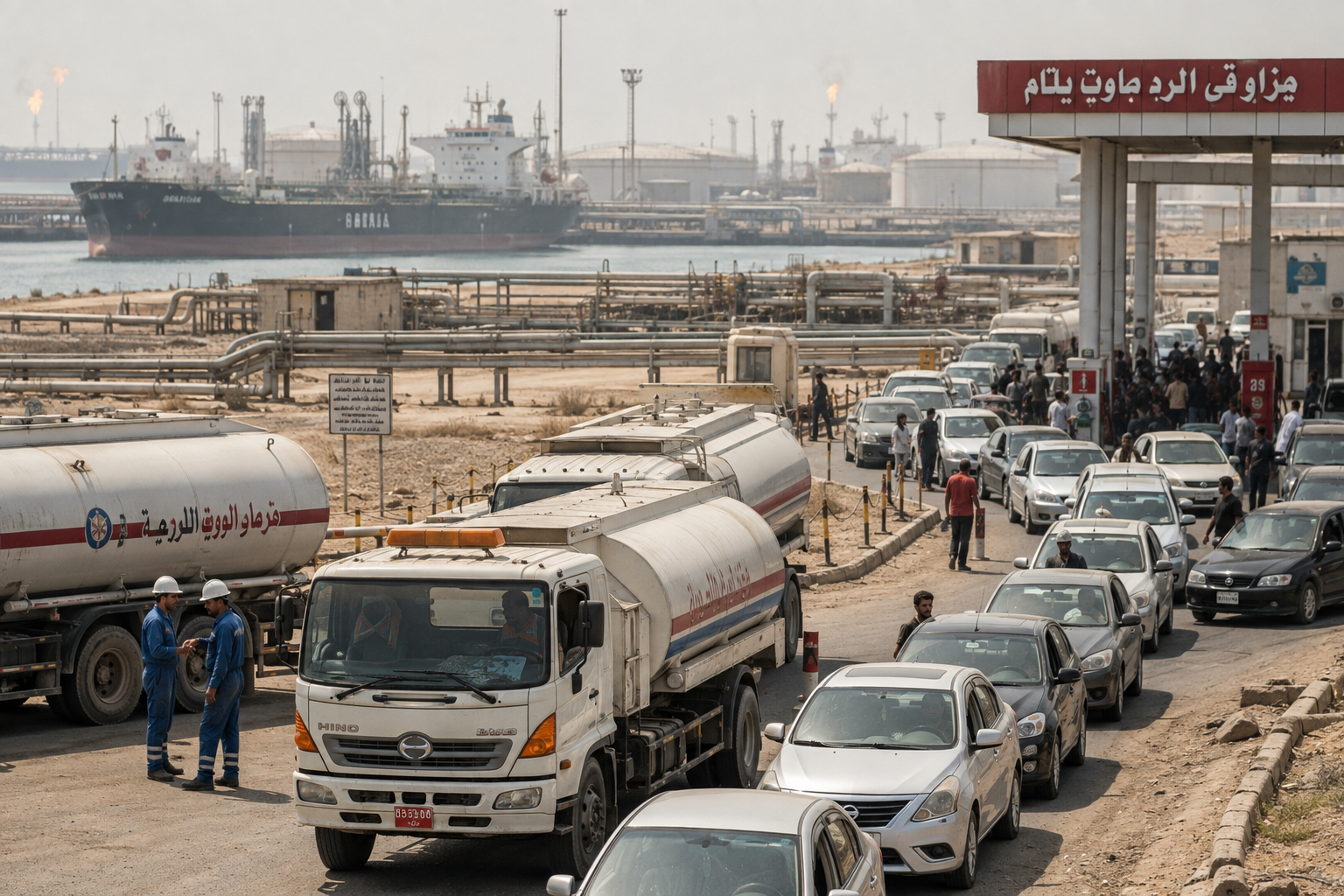
Iraq is facing a worsening gasoline shortage as regional conflict disrupts fuel imports and tanker traffic. Despite producing millions of barrels of crude oil each day, Iraq lacks sufficient refining capacity to meet domestic demand for gasoline and other petroleum products, leaving it dependent on imports. The disruption has led to long queues at fuel stations in Baghdad, with some drivers waiting for hours without being able to refuel.
Baghdad resident Ibrahim Hashem described the shortage as unreasonable, given Iraq’s substantial oil production. He said the lack of gasoline had further worsened the city’s already severe traffic congestion and service problems. Iraq’s normal daily gasoline consumption is approximately 33 million litres, but authorities say panic buying has pushed demand to around 38 million litres.
The Iraqi oil ministry attributed the supply problems to regional events and the ongoing conflict, which have created logistical difficulties for tanker traffic and delayed deliveries to Iraqi ports. Authorities said additional shipments were expected soon and urged residents to purchase only the fuel they need rather than crowding stations for small quantities.
The article links Iraq’s fuel difficulties to the US-Iran conflict and the disruption of shipping through the strategic Strait of Hormuz. The waterway is particularly important to Iraq because the country depends on oil exports for roughly 90 percent of its budget revenue. Before the conflict began in February, Iraq produced about four million barrels of oil per day and exported approximately 3.4 million barrels daily, mostly through Hormuz. Exports later fell sharply but recovered to more than 2.2 million barrels per day in August. Iran has reportedly allowed some Iraqi oil tankers to pass through the strait during the preceding six months, according to Iran’s state news agency IRNA.
Entities: Iraq, Baghdad, Ibrahim Hashem, Iraqi oil ministry, US-Iran conflict • Tone: urgent • Sentiment: negative • Intent: inform