06-06-2026
In a recorded phone message from Tehran’s Evin Prison, Iranian-American journalist Reza Valizadeh urges the United States to press Iran for medical care for him and other Americans detained there. Valizadeh says he and three other Americans are suffering from illnesses and receiving inadequate treatment, and he asks why the U.S. did not demand their release or at least medical access in exchange for releasing Iranian sailors recently returned to Iran by the United States. His lawyer says Valizadeh has endured worsening health problems since an airstrike and remains under harsh conditions in prison.
The article places Valizadeh’s plea within broader U.S.-Iran diplomacy. CBS News reports that the State Department believes six Americans are detained in Iran, but sources say their release is not expected to be part of the current truce negotiations. Instead, U.S. officials are pursuing a phased diplomatic strategy: first ending the fighting and addressing nuclear talks, then handling the hostage issue separately. A Trump administration official says the government is tracking Valizadeh’s case closely and is working to secure his release, though it declined to explain why the Americans were not included in the immediate deal.
The story also explains why Valizadeh is imprisoned. After becoming a U.S. citizen in 2022 through work for Radio Farda, he returned to Tehran believing he had assurances of safety. He was later detained by the IRGC, interrogated, and charged with collaborating with a hostile government, a charge often used against journalists and activists. Radio Free Europe/Radio Liberty and his lawyer describe him as wrongfully detained and isolated from family for more than 20 months. The article combines a personal appeal with a broader report on hostage diplomacy, medical neglect, and the complexities of U.S.-Iran negotiations.
Entities: Reza Valizadeh, Evin Prison, Iran, Tehran, CBS News • Tone: analytical • Sentiment: negative • Intent: inform
06-06-2026
CBS News reports on a voice memo obtained from Iranian American journalist Reza Valizadeh, who has been detained in Tehran’s Evin Prison for more than a year. In the memo, Valizadeh identifies himself as a colleague and speaks from prison about the release of 20 Iranian sailors by the United States on May 21, arguing that the U.S. could have used the release as leverage to secure his own freedom and that of three other American citizens imprisoned in Iran. He says the imprisoned detainees are suffering from disease and lack of proper medical care, and he criticizes what he describes as physical pressure and mental torture in captivity. His message is both a plea for help and a pointed critique of U.S. policy priorities, as he questions what concessions Washington received in exchange for the sailors’ release. The report also notes that Valizadeh may have been referring to the seizure of a vessel on May 4, and includes a clarification from U.S. Central Command that 22 crew members were taken from the motor vessel Touska after it attempted to run through a U.S.-enforced blockade. The piece is framed as a human-interest and foreign affairs report focused on imprisonment, diplomacy, and hostage-related negotiations.
Entities: Reza Valizadeh, Iranian American journalist, Evin Prison, Tehran, CBS News • Tone: urgent • Sentiment: negative • Intent: inform
06-06-2026
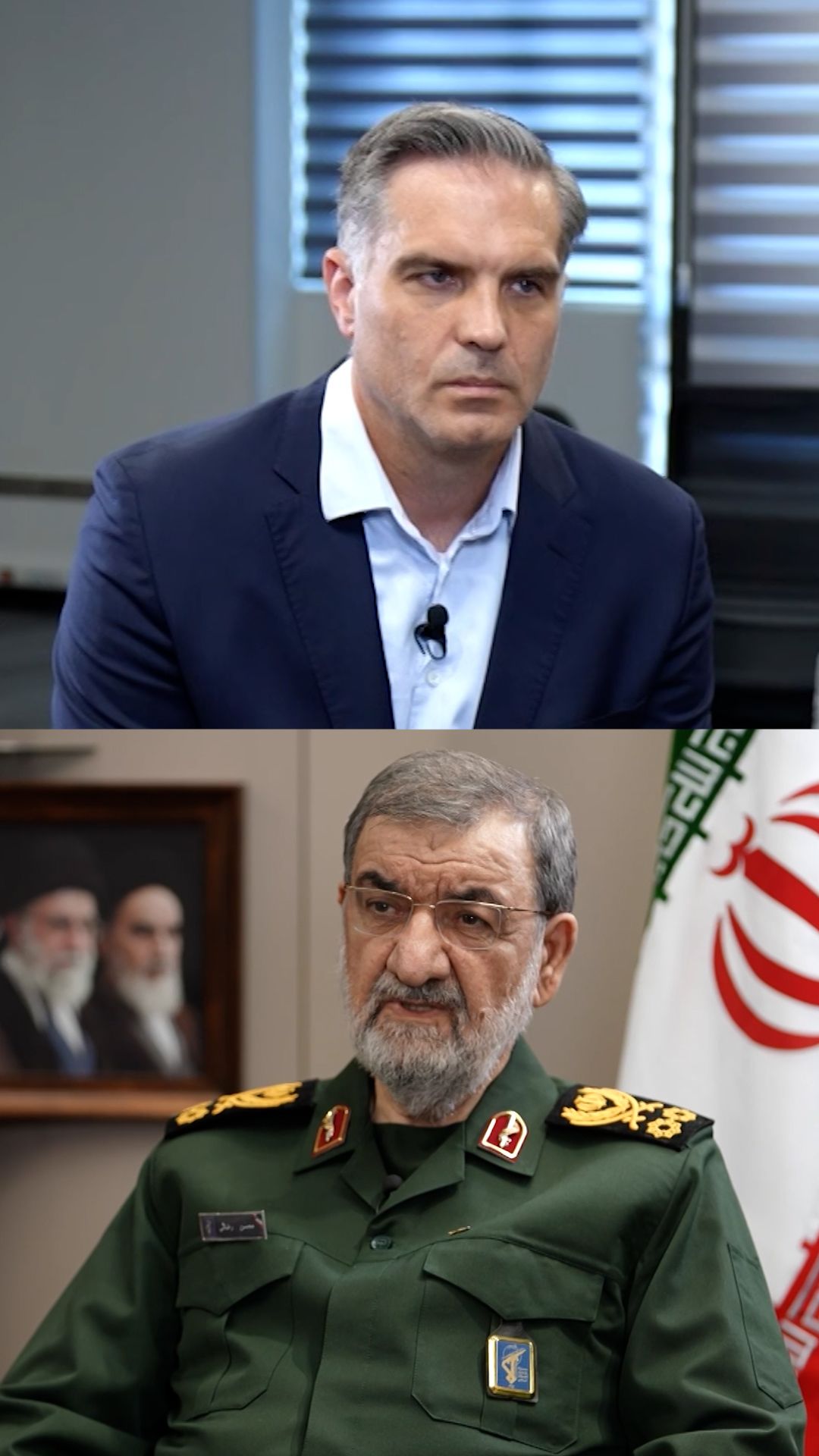
In an exclusive CNN interview in Tehran, Mohsen Rezaei, a senior military adviser to Iran’s supreme leader, firmly rejected the idea that US President Donald Trump would meet with Iran’s supreme leader. Rezaei, who is part of the small inner circle around the leader, also suggested that any possible US-Iran agreement depends on the Trump administration releasing $24 billion in frozen Iranian assets. The article frames the comments as significant because they come from a trusted insider close to Iran’s leadership and because they appear to set a high financial condition for any diplomatic breakthrough. It also notes CNN’s reporting conditions in Iran, emphasizing that the network operates there with government permission while maintaining editorial control. Overall, the piece focuses on the state of US-Iran tensions, the limits of possible direct diplomacy, and the financial and political barriers to a deal.
Entities: Mohsen Rezaei, Mojtaba Khamenei, Donald Trump, CNN, Fred Pleitgen • Tone: analytical • Sentiment: neutral • Intent: inform