06-06-2026
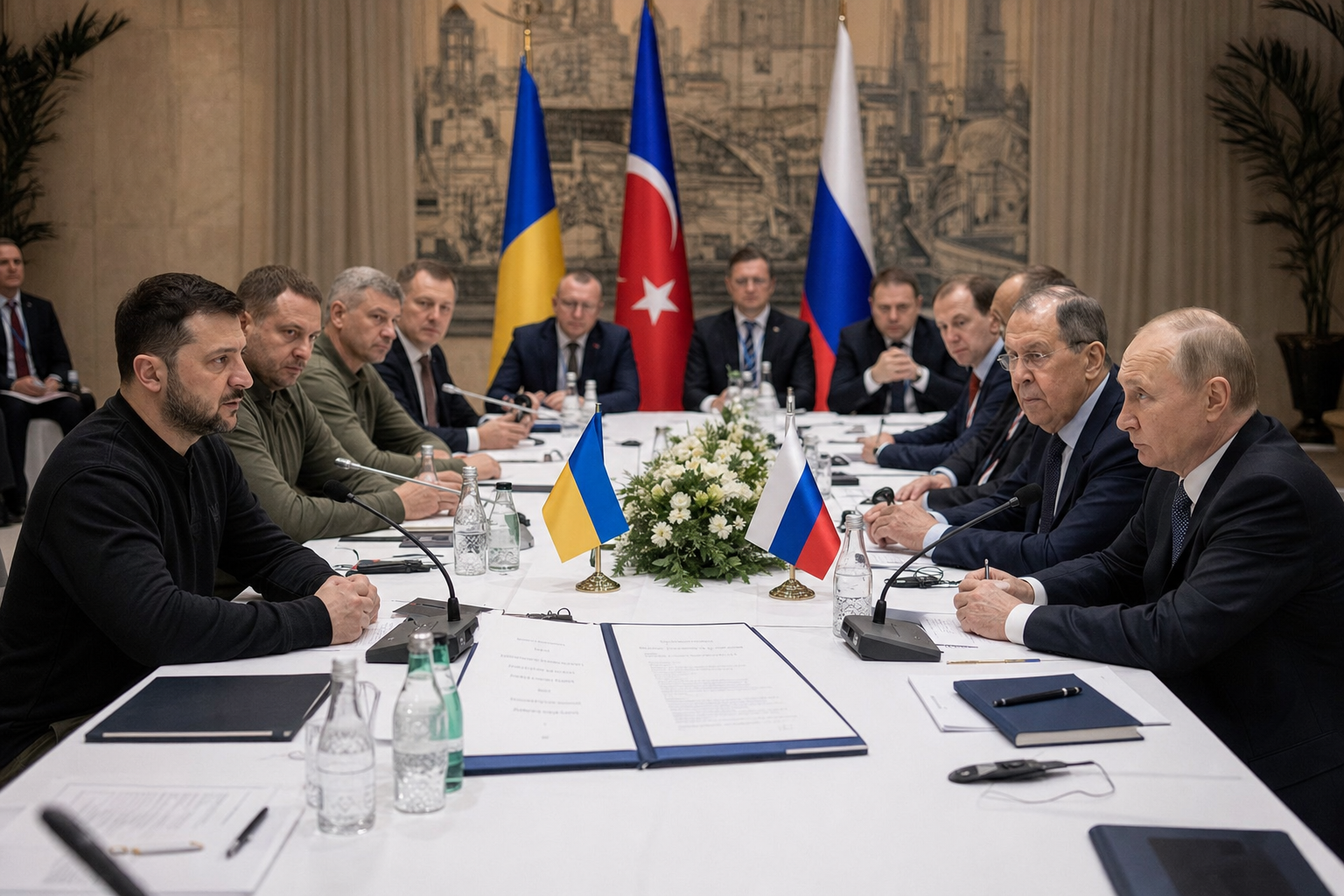
Russian President Vladimir Putin rejected Ukrainian President Volodymyr Zelensky’s proposal for direct face-to-face talks aimed at ending the war, saying there was “no point” in meeting at this stage. Zelensky had issued an open letter calling for negotiations and a ceasefire, using a defiant and sometimes mocking tone that criticized Putin’s age and leadership. Putin responded by calling the letter rude and insisted that any ceasefire would only give Ukraine time to regroup; he said peace talks must first produce long-term agreements before any meeting could happen. Putin also reiterated Russia’s core demands, including that Ukraine give up territories Moscow claims and abandon its NATO ambitions, while Kyiv maintained that surrendering land would invite future aggression.
The article places the exchange in the context of ongoing battlefield violence and diplomatic pressure. Zelensky said Russia was “choosing war again,” and US President Donald Trump reportedly saw potential value in a direct meeting. Meanwhile, Ukraine said it had struck five ships carrying illegal cargo in the Sea of Azov and nearby occupied waters, alleging they were used to steal grain and transport fuel and military supplies. Azerbaijan said five people were killed in attacks on two of the ships, though it did not assign blame. The article also reports a drone incident in Romania’s Black Sea port of Constanta, which Ukrainian operators said was caused by Russian electronic interference. In parallel, officials said at least 13 people were killed and 70 injured in recent Russian attacks across Ukraine, underscoring that the war remains active and deadly despite any talk of negotiations.
Entities: Vladimir Putin, Volodymyr Zelensky, Russia, Ukraine, St Petersburg • Tone: analytical • Sentiment: negative • Intent: inform
06-06-2026
Ukraine said it struck five cargo ships in the Sea of Azov and waters near Russian-occupied territory, alleging the vessels were being used to steal Ukrainian grain and transport military cargo and fuel. The attacks came as President Volodymyr Zelensky renewed his call for direct peace talks with Vladimir Putin, an offer Putin rejected while in St Petersburg. The article also reports Ukraine’s confirmation that one of its naval drones exploded off Romania’s Black Sea coast after being knocked off course by Russian electronic interference, causing no casualties but raising fresh security concerns for Romania.
The report places these incidents in the broader context of continued cross-border warfare. Ukraine says Russian drone attacks killed at least 13 people in a day, including four at a dairy factory near Kyiv and another person in Kherson. In Romania, officials described the drone explosion near Constanta as a significant security incident, following a recent stray mine on a beach and a separate drone strike on an apartment block in Galati. The article also highlights the diplomatic stalemate: Zelensky urged a full ceasefire and direct engagement, while Putin said he saw no reason to meet and maintained his demands that Ukraine surrender occupied territories and abandon NATO ambitions. The EU, France, and the US have backed Zelensky’s proposal for talks.
Entities: Ukraine, Russia, Volodymyr Zelensky, Vladimir Putin, Romania • Tone: analytical • Sentiment: negative • Intent: inform
06-06-2026
Russian President Vladimir Putin said he sees “no point” in meeting directly with Ukrainian President Volodymyr Zelenskyy to discuss ending the war, signaling continued resistance to an immediate diplomatic breakthrough. The exchange followed Zelenskyy’s rare public letter to Putin, in which he criticized Putin’s long rule and suggested he was aging out of effective leadership. Putin dismissed the letter as boorish and argued that a meeting would only make sense once a concrete deal is ready to sign, not as a step toward a temporary ceasefire.
Speaking at the St. Petersburg International Economic Forum, Putin defended Russia’s position on the war and repeated that Moscow wants a comprehensive settlement, not a short pause in fighting. He referenced a Ukrainian drone attack on Russian-held Luhansk as further justification for refusing talks now. He also mocked Zelenskyy and thanked U.S. President Donald Trump for what he described as having “educated” Zelenskyy on television, while Trump separately said it would be great if the two leaders met and reiterated his belief that a deal could be worked out.
Beyond Ukraine, Putin used the forum to attack Western sanctions and financial systems, arguing that frozen Russian assets and unilateral sanctions have undermined trust in the dollar and euro. He presented Russia as economically stable despite wartime pressures, downplayed concerns about slowdown, and said Russia is adapting its macroeconomic policies. He also discussed Iran, saying Russia had not supplied weapons or satellite images and remained open to helping with a potential peace arrangement involving enriched uranium storage. The article portrays a mix of diplomatic standoff, wartime escalation, and Putin’s broader effort to frame Russia as resilient in a changing global order.
Entities: Vladimir Putin, Volodymyr Zelenskyy, Donald Trump, Ukraine, Russia • Tone: analytical • Sentiment: neutral • Intent: inform
06-06-2026
Ukrainian President Volodymyr Zelenskyy issued an open letter to Russian President Vladimir Putin proposing direct talks aimed at ending Russia’s war against Ukraine. Zelenskyy framed the appeal as urgent because the United States is currently preoccupied with Iran, warning that Ukraine cannot simply wait for the war in Europe to regain Washington’s full attention. He proposed that leaders themselves meet to resolve the most important issues and suggested neutral or third-party hosts such as Switzerland, Türkiye, or countries in the Arab world.
Zelenskyy also argued that any peace process should include Europe and the United States, both to provide meaningful security guarantees and to help shape a broader security architecture for the region. He said Ukraine is prepared to accept a full ceasefire during negotiations, calling such a pause a standard and necessary step toward meaningful dialogue. In addition, he proposed a comprehensive prisoner exchange and the return of civilians and children taken during the war as a possible prologue to ending the conflict.
The letter ended with a sharp warning to Putin: if he does not decide it is time to end the war, Ukraine will continue fighting for its survival, and Russia too may eventually face the consequences of prolonged conflict. The article appears in a Fox News context that references ongoing U.S. and European debates over military aid, NATO commitments, and Russia’s standing, but its central focus is Zelenskyy’s renewed push for direct negotiations and a ceasefire.
Entities: Volodymyr Zelenskyy, Vladimir Putin, Ukraine, Russia, United States • Tone: analytical • Sentiment: neutral • Intent: inform