04-08-2026
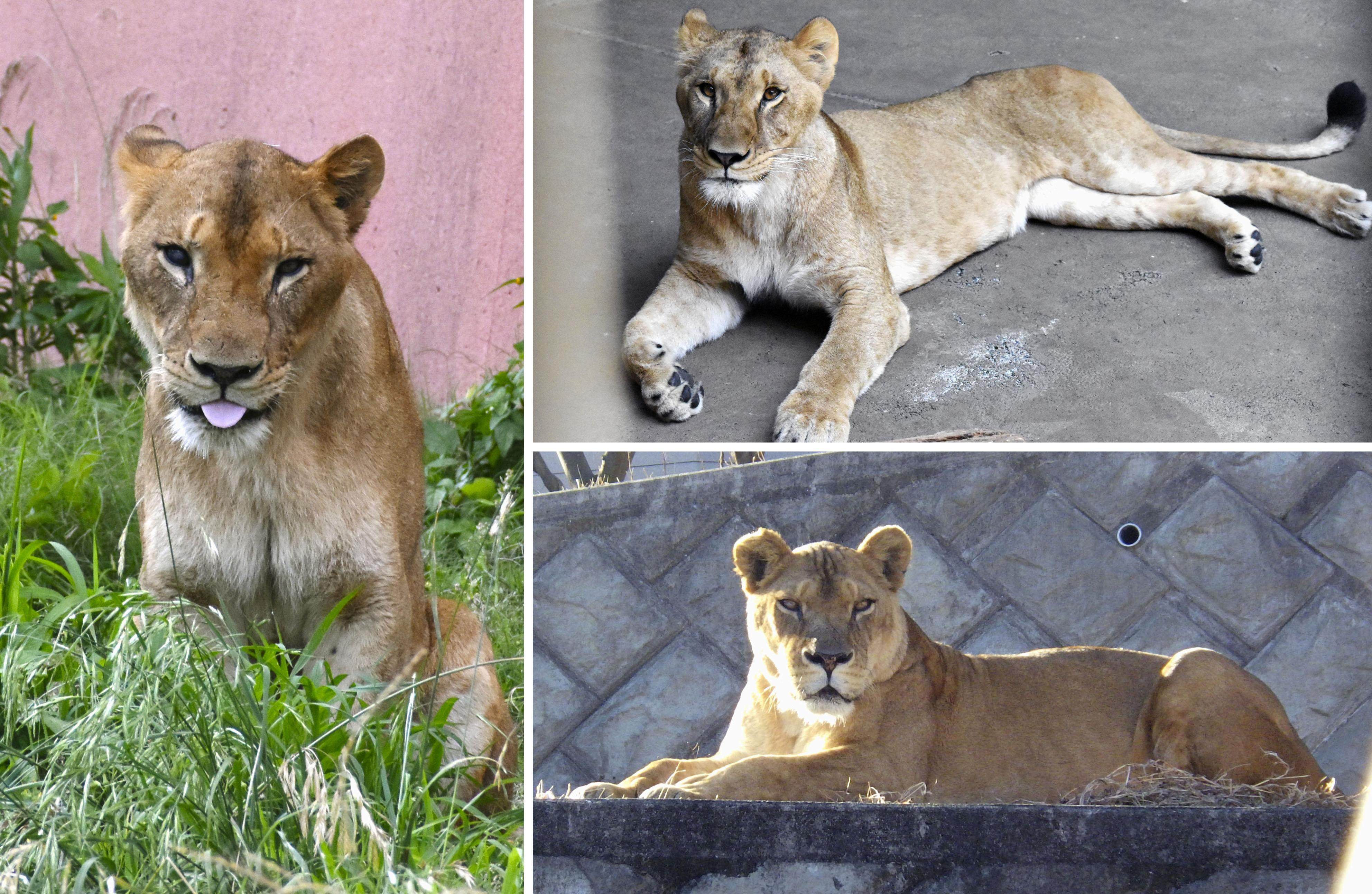
Three lions died within a week at Tama Zoological Park in Tokyo amid an intense heat wave affecting Japan and much of East Asia. The zoo said the lions had shown symptoms such as loss of appetite and fatigue, and staff treated them with cooling measures, fluids, and medication. Although official autopsies are pending, the animals showed signs of dehydration and multiple organ failure, pointing to heat stress as a likely factor. Japan has been enduring unprecedented heat, including a streak of at least 40 C days, while officials have issued repeated heatstroke alerts and a new label for extremely hot days. The article also highlights the broader human toll: in Kumamoto Prefecture, already hit by a deadly earthquake, people are coping with extreme temperatures, power and shelter challenges, and a suspected heatstroke death in a car.
The story widens beyond Japan to show that the heat is part of a larger regional crisis. South Korea is experiencing a historic heat wave, with record temperatures, expanded heat warnings, more than 2,000 heat-related illnesses, and 16 deaths. Livestock losses have also been severe. The article connects these extremes to a strengthening "Super El Niño" in the tropical Pacific, which the World Meteorological Organization says could drive above-normal temperatures globally and contribute to flooding, drought, heat waves, and other damaging effects.
Entities: Tama Zoological Park, Tokyo, Hino city, Mugi, Ichigo • Tone: urgent • Sentiment: negative • Intent: inform
04-08-2026
Three lions have died at Tokyo’s Tama Zoological Park after developing suspected heatstroke during Japan’s unusually severe summer, which has brought record-breaking temperatures and high humidity. The zoo said 10 of its 16 big cats began showing signs of heat stress, including loss of appetite and reduced activity, after the lion exhibit was suspended on July 23. Although staff treated the affected animals and strengthened cooling measures, three lionesses ultimately died on different days over the following week. A zoo spokeswoman said veterinarians suspect heatstroke, with dehydration and multiple organ failure observed.
The article places the incident in the broader context of climate-fuelled extreme weather in Japan, where the summer heat arrived suddenly after the rainy season ended in late July. Zoo officials noted that lions are generally considered heat-resistant, but emphasized that Japan’s summer presents a different challenge because the heat is combined with heavy humidity, unlike the drier conditions of Africa. The report highlights both the immediate animal welfare crisis at the zoo and the growing pressure on institutions to adapt to increasingly harsh weather conditions.
Entities: Tama Zoological Park, Tokyo, Japan, lions, lionesses • Tone: negative • Sentiment: negative • Intent: inform
04-08-2026
Three lions at Tama Zoological Park in Tokyo have died from suspected heatstroke amid an intense and unusually humid summer in Japan, with several other lions still receiving treatment. According to the zoo, 10 of its 16 lions have shown symptoms such as loss of appetite and reduced activity since mid-July, and veterinarians observed dehydration and multiple organ failure in the dead animals. The zoo believes the combination of high temperatures and Japan’s especially humid conditions made the heat more dangerous than the dry heat lions might encounter in Africa. In response, keepers have been trying to reduce the animals’ stress by sprinkling water, improving ventilation, and installing spot air conditioners.
The article places the deaths in the broader context of Japan’s escalating heat crisis. Parts of the country have recently reached 40C, and the summer follows Japan’s hottest on record last year. The country’s fire and disaster management agency reported that about 18,600 people were taken to hospital for heatstroke between 20 and 26 July, with 45 dead on arrival. Japan already records about 1,300 heat-related deaths annually and aims to cut that number in half by 2030. The story also notes that heat has forced changes to the timing of cultural and sporting events, including the World Cosplay Summit, and it links the extreme conditions to climate change, citing scientists who say human-induced warming is increasing the frequency and severity of extreme heat in Japan and beyond.
Entities: Tama Zoological Park, Tokyo, Japan, lions, lionesses • Tone: analytical • Sentiment: negative • Intent: inform