04-08-2026
European Commission President Ursula von der Leyen has urged EU member states to take stronger, coordinated action on border security after a major migrant crossing crisis in Spain’s North African exclave of Ceuta. The article says tens of thousands of migrants entered Ceuta from Morocco in a chaotic influx, prompting an emergency response and deepening tensions within the European Union. Spain estimates that about 69,500 migrants have now returned to Morocco, a figure higher than initial estimates. The situation left a reported death toll of 72 on the Spanish side and 11 on the Moroccan side.
The crisis has also become a political dispute inside the EU. Italy temporarily suspended the Schengen arrangement with Spain, while Finland and Denmark supported that move and Czech Prime Minister Andrej Babiš called for a temporary suspension of Spain’s Schengen membership. Spanish Prime Minister Pedro Sánchez pushed back strongly, arguing that Ceuta is not part of Schengen and criticizing some European governments for attacking Spain out of prejudice, misinformation, or political motives.
Von der Leyen praised Sánchez’s handling of the crisis but said the incident showed the need to strengthen external borders at critical points. She called the protection of external borders a shared European responsibility and urged cooperation with partner countries, early warning systems, tougher action against smuggling networks, and more effective returns. EU interior ministers were set to hold emergency video talks to review the episode and discuss a common response. Spain’s interior minister said the situation was nearly back to normal and that authorities were working on an inflatable barrier to help prevent future illegal crossings by water.
Entities: Ursula von der Leyen, Pedro Sánchez, Fernando Grande-Marlaska, Andrej Babiš, European Commission • Tone: analytical • Sentiment: negative • Intent: inform
04-08-2026
Ceuta, the Spanish enclave on the North African coast, was trying to recover after a sudden and massive influx of migrants from Morocco, most of whom had returned by Sunday. Authorities said around 50,000 to 60,000 people crossed into the territory over Thursday and Friday, overwhelming local services and triggering a humanitarian and political crisis. At least 72 people died, some by drowning and others in a stampede near a breakwater barrier, according to Spanish officials.
The article describes a city unsettled not only by the immediate aftermath—searches for bodies, reopened shops, and a return to everyday life—but also by deep disagreement over what caused the surge and who is responsible. Some residents and returned migrants said the border had effectively been left open, while Spain said it plans to build a containment fence. The crisis quickly reignited broader European debates over immigration.
Political tensions intensified as far-right Spanish figures, including Alvise Pérez and Vox leader Santiago Abascal, visited Ceuta and demanded migrant expulsions, prompting counterprotests from residents, including members of the city’s Muslim community. Their presence exposed strains within Ceuta’s traditionally multi-faith and multicultural society. While some locals defended coexistence, others voiced suspicion about foreign-born residents and questioned their loyalty to Spain. Pope Leo XIV also weighed in, expressing concern and calling for peace, stability, and justice. Overall, the article portrays Ceuta as a city caught between humanitarian tragedy, political exploitation, and anxieties about identity and border security.
Entities: Ceuta, Morocco, Spain, Melilla, European Parliament • Tone: analytical • Sentiment: negative • Intent: inform
04-08-2026
Morocco is attributing the sudden surge of migrants into the Spanish enclave of Ceuta to a mix of factors, including the spread of misleading information on social media, the exploitation of digital platforms, and the influence of human trafficking networks. A Moroccan Interior Ministry spokesman said the arrivals were not a spontaneous event, but were driven by false claims that entry into Spain or the European area would be easy and without consequences. Migrants interviewed by CBS News said they saw posts such as "Spain is an open door" and videos showing people swimming from Morocco to Ceuta, which prompted some to decide to cross on the spot.
The article also contrasts Moroccan and Spanish accounts of the death toll and the scale of the migration surge. Morocco said about 40,000 people moved toward Ceuta and another 1,135 toward Melilla, while Spanish estimates had been higher. Morocco reported 11 deaths, far fewer than the 72 deaths cited by Spanish authorities. Most of those who crossed had reportedly been returned to Morocco, and all migrants who reached Melilla were sent back immediately. The scene has triggered criticism across Spain and Europe, with calls for tighter border controls, including fencing around Ceuta and renewed scrutiny of the Schengen framework and border enforcement within the EU.
Entities: Morocco, Ceuta, Melilla, Spain, Pedro Sánchez • Tone: analytical • Sentiment: negative • Intent: inform
04-08-2026
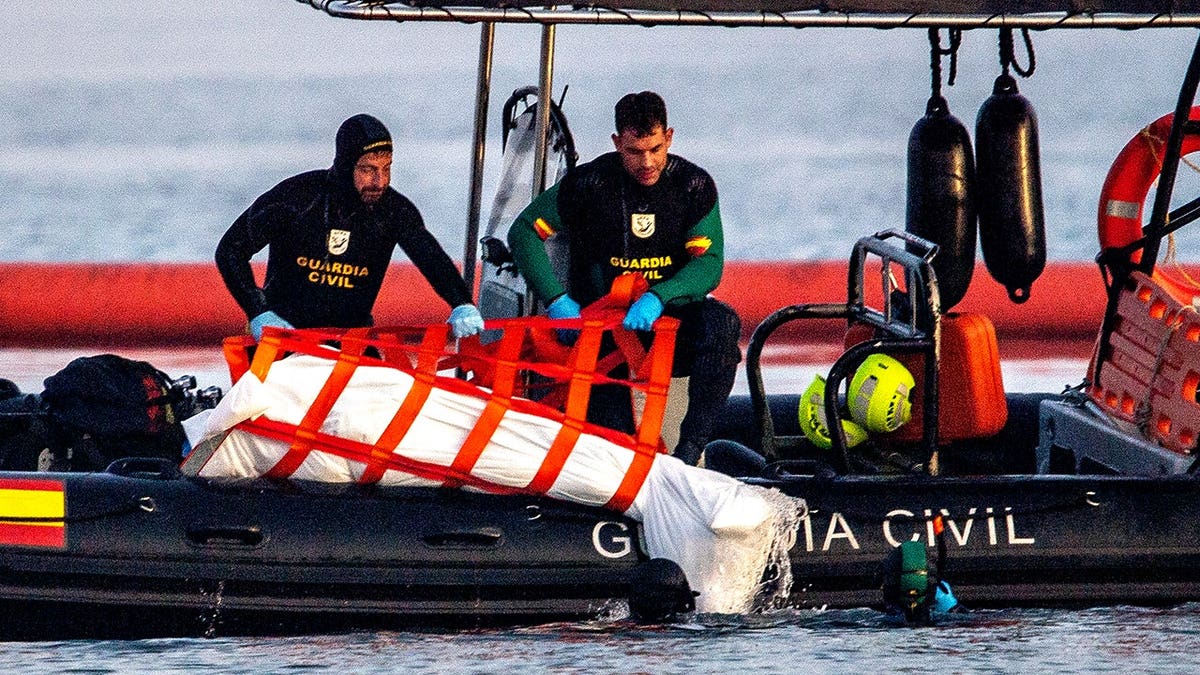
At least 72 migrants died after a chaotic mass attempt to enter the Spanish enclave of Ceuta from Morocco, turning the crossing into a humanitarian crisis and escalating a broader European debate over migration and border security. Spanish authorities searched the waters off Ceuta for more victims after an estimated 50,000 to 60,000 migrants, mostly young men, surged into the small North African territory over several days. Officials said many drowned, while others were crushed in a stampede near a breakwater barrier. The influx briefly swelled Ceuta’s population by more than half, and by Sunday many migrants had returned to Morocco while others remained in the enclave or tried to evade authorities.
The deaths quickly became a political flashpoint in Spain and across Europe. Far-right politicians used the event to demand tighter border controls and the removal of migrants who stayed in Ceuta, while local and some resident voices emphasized the human cost and blamed authorities rather than migrants. Vox leader Santiago Abascal called the influx “an invasion,” and protests and counterprotests broke out in the enclave. The article also highlights the strain on Ceuta’s long-standing multicultural identity, as residents worried about security and the possibility of another mass crossing.
The crisis prompted an international response: the U.S. State Department raised its travel advisory for Ceuta to Level 3, warning of unpredictable and dangerous security conditions due to the uncontrolled migrant arrival. Overall, the piece frames the event as both a tragedy of deaths at sea and a political and security crisis for Spain and Europe.
Entities: Ceuta, Morocco, Spain, Spanish enclave of Ceuta, Guardia Civil • Tone: urgent • Sentiment: negative • Intent: inform